
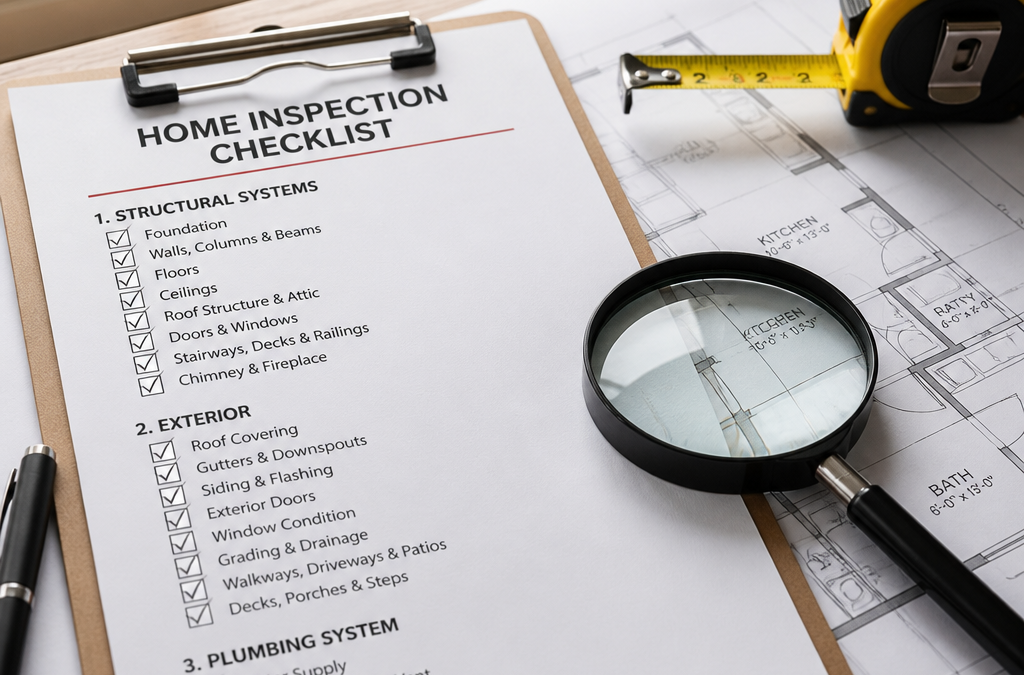
Most buyers building a new home in Redland Bay assume the builder’s final walk-through is enough. It is not. With the Queensland Government unlocking over 5,000 new lots for housing in the Southern Redland Bay precinct, the area is experiencing some of the most rapid residential construction growth in South East Queensland. More builds, more trades, more pressure to meet deadlines – and more opportunities for defects to slip through unchecked. A proper new home inspection Redland Bay buyers can actually rely on is not a box-ticking exercise. It is the single most important thing you can do before handing over your final payment to a builder.
Table of Contents
- Quick Takeaways
- What a New Home Inspection in Redland Bay Actually Covers
- Handover Inspection vs. Standard Building Inspection: The Key Difference
- Common Defects Found in Redland Bay New Builds
- How to Read a Defect Report and Actually Use It
- Choosing the Right Inspector for a Redland Bay Handover
- Frequently Asked Questions
- References
Quick Takeaways
| Key Insight | Explanation |
|---|---|
| Book before your final payment | Once you sign the handover documents and make the final progress payment, your negotiating position weakens considerably. The inspection must happen first. |
| Redland Bay’s growth creates real defect risk | The area’s rapid expansion means builders are juggling more sites, trades are stretched thin, and quality control on individual builds can suffer as a result. |
| A builder’s internal walk-through is not independent | Any inspection arranged or conducted by your builder has an inherent conflict of interest. Only an independent, licensed inspector works for you alone. |
| Photo-enhanced reports are far more useful than text-only checklists | A report that photographs each defect and assigns it to the responsible trade gives you clear, actionable documentation a builder cannot easily dispute. |
| Queensland defect liability periods have hard deadlines | In Queensland, homeowners have six years and six months for structural defects and six months for non-structural defects. Missing these windows can cost you rights. |
| Practical completion inspection (PCI) is the formal term in Queensland contracts | Your build contract will likely refer to a PCI rather than a “handover inspection.” They refer to the same stage – make sure you book an independent inspector for it. |
| All property types need inspection, not just houses | Townhouses, units, duplexes, and granny flats in Redland Bay are subject to the same defect risks as standalone homes and warrant the same level of scrutiny. |
What a New Home Inspection in Redland Bay Actually Covers
A new home inspection at the practical completion stage is a comprehensive, independent assessment of your finished build conducted before you accept handover. It is not a rough check for paint chips. A thorough inspector will work through the entire property systematically, examining structural elements, waterproofing, tiling, plumbing, electrical installations, roofing, windows, doors, drainage, and finishes against the National Construction Code (NCC), Australian Standards, and your build contract specifications.
In Redland Bay specifically, inspectors with local experience know to pay particular attention to site drainage and slab performance. The Redlands region includes soil types that can behave differently from suburban Brisbane lots, and inadequate drainage on a sloping bayside block can create long-term foundation and moisture issues that a generic national inspector might not immediately flag.
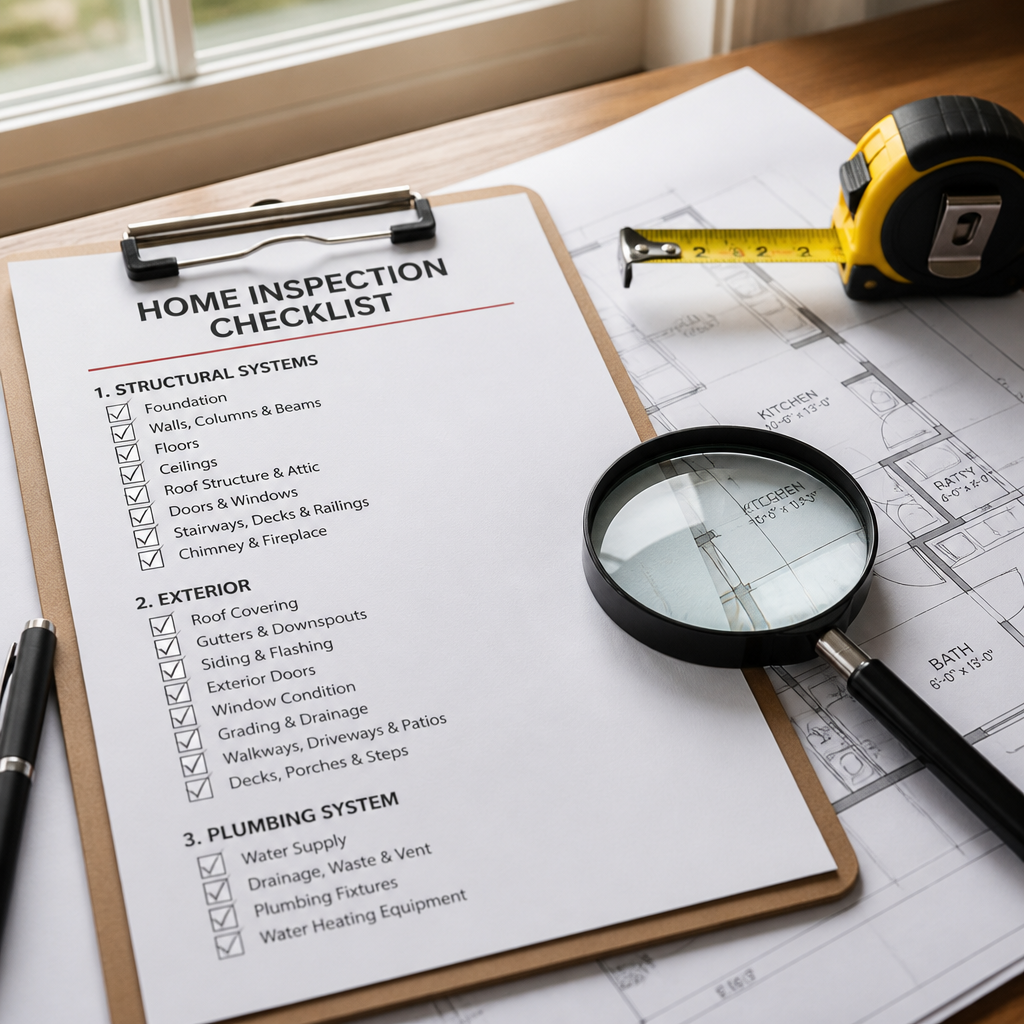

The inspection also covers items many buyers overlook: ceiling straightness, grout consistency across wet areas, door and window operation under load, flashings around roof penetrations, and the alignment of skirting and architrave work. These are not cosmetic concerns. Poor finishing often signals rushed or non-compliant workmanship in areas you cannot see.
Pro tip: Provide your inspector with a copy of your build contract and the approved plans before the inspection date. This allows them to check what was actually built against what was agreed, not just what looks acceptable in isolation.
Handover Inspection vs. Standard Building Inspection: The Key Difference
These two terms are frequently confused, and the confusion can cost buyers real money if they book the wrong service. Understanding the difference is not a technicality. It determines whether the inspection is fit for purpose.
What a Standard Building Inspection Is For
A standard building inspection is used when purchasing an established property. Its purpose is to assess the overall condition of an existing home for a buyer in a sale transaction, noting deterioration, pest damage, and maintenance issues accumulated over time. The inspector is assessing age and wear.
What a Handover Inspection Is Designed to Do
A handover inspection Redland Bay buyers need is specifically designed for new builds. The inspector is not looking for wear. They are checking that workmanship meets the contracted standard, that the build complies with the NCC and Australian Standards, and that nothing has been left incomplete or incorrectly installed. The defect categories are fundamentally different, and the reporting format must reflect that.
An independent inspector working at handover is the last line of quality control between you and a builder who has already been paid for most of the job. By the time keys are in your hand, the incentive to fix problems quietly disappears.
Booking a standard building inspection for a new home handover is a common mistake. The checklist, the Standards referenced, and the reporting language are all calibrated for the wrong type of property. For a new build in Redland Bay, you need a qualified inspector with specific experience in practical completion inspections.
| Inspection Type | Best Used For | What It Assesses |
|---|---|---|
| Standard Building Inspection | Buying an established or second-hand property | General condition, deterioration, pest damage, maintenance issues in an existing structure |
| Handover / Practical Completion Inspection | Accepting a newly built home from a builder | Workmanship quality, NCC compliance, completeness, defect identification assigned by trade |
| Pre-Settlement Inspection (Off-the-Plan) | Settling on a purchased unit or townhouse before title transfer | Condition compared to contract specifications and approved plans at time of settlement |
Pro tip: If your builder describes their own site supervisor walking through with you as the “handover inspection,” this is not a substitute for an independent assessment. Ask your builder to schedule time for your independent inspector before you attend the handover appointment.
Common Defects Found in Redland Bay New Builds
Defects in new homes are not rare. They are the norm. Independent inspections consistently find issues across the full spectrum of construction quality, from entry-level project homes to premium custom builds. Redland Bay’s growth corridor has attracted a wide mix of volume builders, smaller contractors, and subcontractors working across multiple sites simultaneously.
Waterproofing and Wet Area Failures
Waterproofing defects are among the most expensive to rectify post-handover and among the most consistently found. Shower recesses with inadequate membrane coverage, bath surrounds with incomplete silicone sealing, and laundry floor drains set too high are recurring issues. These defects are invisible to the untrained eye at handover but cause significant water damage within months of occupation.
Drainage and Site Works
Redland Bay blocks vary considerably in gradient and proximity to drainage infrastructure. Poor site drainage, incorrectly graded driveways, and inadequate stormwater connections are common findings. In some cases, surface water is directed back toward the slab rather than away from it, a defect that can go unnoticed until the first significant rain event after you move in.
Roofing and Flashing Defects
Incorrectly installed roof flashings around penetrations, ridge caps with inadequate bedding and pointing, and poorly fitted gutter systems are found regularly in Queensland new builds. These defects directly expose the home to water ingress and are costly to access and repair after the roof space is enclosed.
Structural and Concrete Work
Cracking in slabs and wall frames, bridged weep holes that prevent moisture drainage, and inadequate termite barriers are structural defects that carry long-term consequences. These are not issues any buyer should discover by living in the property for a year.
Finishing Trade Defects
Paint holidays, uneven render, out-of-square tiling, swollen or poorly fitted cabinetry, and sticking or misaligned doors and windows are finishing defects that affect both liveability and resale value. Volume builders with stretched subcontractor relationships produce these at higher rates during peak construction periods.
How to Read a Defect Report and Actually Use It
The value of a building inspection Redland Bay buyers receive is only as good as the report produced. A report that lists defects in generic text without photographs is difficult to action and easy for a builder to push back against. You need a report that works as a practical rectification tool, not just a document you hand over and hope for the best.
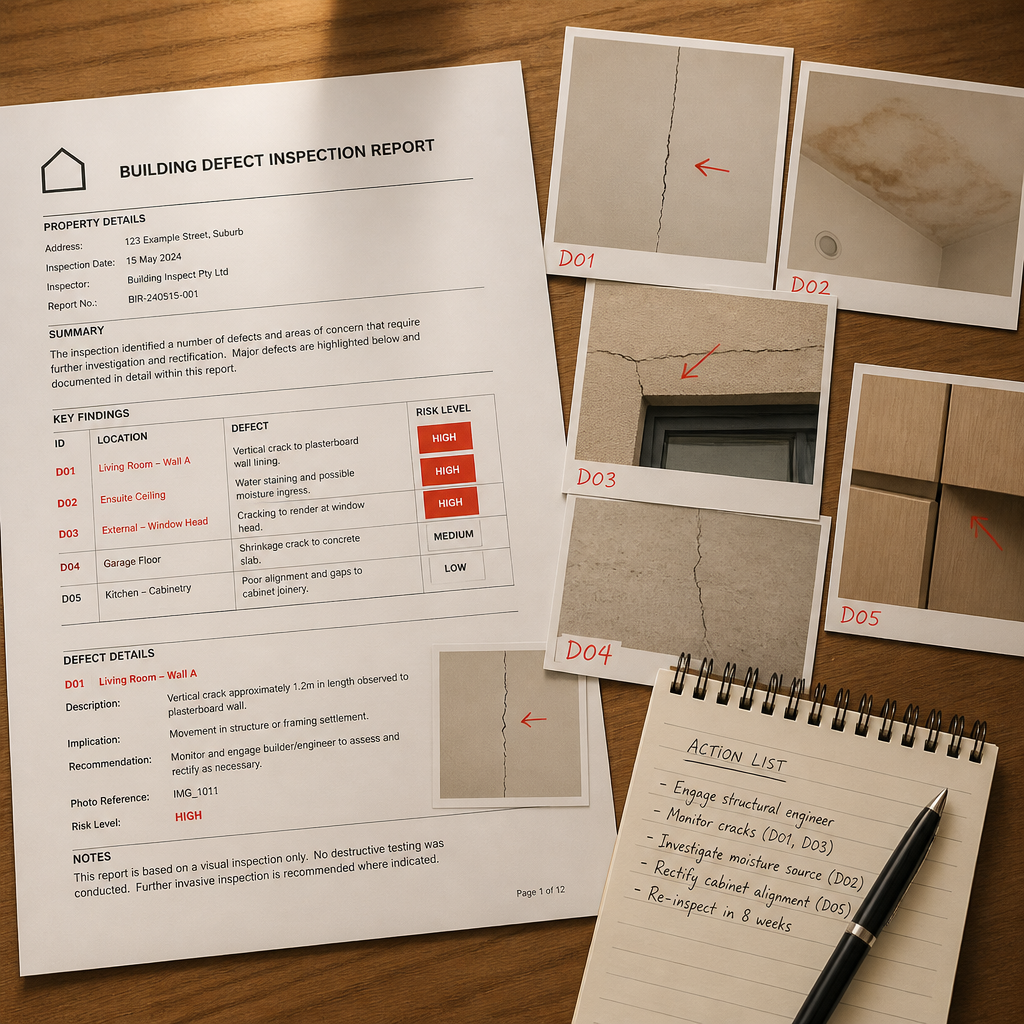
A well-structured defect report from a professional handover inspection should include a photograph of every identified defect, a clear description of what the defect is, the Australian Standard or NCC clause that applies, and an assignment to the responsible trade. This last point matters more than most buyers realise. When a report says “waterproofing membrane – plumber” or “door alignment – carpenter,” the builder knows exactly who to send back to site. Vague reports create delays and arguments over responsibility.
GoInspect’s photo-enhanced reports are built specifically around this principle. Each defect is photographed, described, and attributed to the responsible trade, which means the rectification path is clear from the moment the report lands in the builder’s inbox. Same-day reporting means you are not waiting days to know where things stand before a handover deadline approaches.
In practice, buyers should go through the report before meeting with their builder, prioritise any structural or waterproofing defects as non-negotiable rectification items, and keep dated copies of all correspondence about each defect raised. This creates a paper trail that supports any future QBCC complaint if a builder fails to rectify within a reasonable timeframe.
Choosing the Right Inspector for a Redland Bay Handover
Not all inspectors are equal, and in a market expanding as quickly as Redland Bay, the temptation to book whoever is available first can lead to an inspection that misses half of what matters. There are specific things to check before committing to any inspector.
Licensing Is Non-Negotiable
In Queensland, building inspectors must hold a current licence with the Queensland Building and Construction Commission (QBCC). Ask for the licence number before booking and verify it on the QBCC register. An unlicensed inspector’s report has no weight in a dispute with a builder or in a QBCC complaint. GoInspect’s inspectors are fully licensed, which means their findings are defensible when it matters most.
Experience With New Builds, Not Just Established Homes
There is a difference between an inspector who primarily works on purchase inspections of existing homes and one who specialises in new home handover inspections. The Standards referenced, the defect categories prioritised, and the way findings are presented differ significantly. Ask any prospective inspector what proportion of their work is handover and practical completion inspections before booking.
Report Format and Turnaround Time
A handover inspection report needs to be in your hands the same day, or at the latest the morning after inspection. Builders schedule handover appointments, and you have a narrow window to raise defects before financial pressure kicks in. A service that provides same-day, photo-enhanced, trade-attributed reports is not a luxury in this context. It is a practical necessity.
GoInspect services Redland Bay buyers alongside Brisbane, Gold Coast, Logan, and Ipswich clients, and inspections are priced from $550 including GST. That price point is realistic for a fully licensed, same-day, photo-documented service that covers houses, townhouses, units, duplexes, and granny flats.
Frequently Asked Questions
When should I book a new home inspection in Redland Bay?
Book your inspection as soon as your builder notifies you that the property is approaching practical completion. You want the inspection completed and defects raised before you attend the formal handover appointment and before the final progress payment is made. Booking too late, after the final payment has cleared, significantly reduces your ability to compel the builder to act quickly.
What is a practical completion inspection (PCI) and is it the same as a handover inspection?
Yes. In Queensland, build contracts typically use the term “practical completion inspection” to describe the formal final inspection stage before handover. When homeowners and inspectors refer to a handover inspection, they are describing the same stage. What matters is that the inspection is conducted by an independent, licensed inspector before you accept the keys and make the final payment.
Does a new build in Redland Bay need a handover inspection if it has a builder’s warranty?
Yes, and this is one of the most important things to understand. A builder’s warranty gives you rights to claim after defects appear. An independent handover inspection identifies defects before you move in, while the builder still has clear contractual obligation to fix them. Relying on warranty claims after occupation is slower, more stressful, and often results in disputes. Finding defects before handover is always the better outcome.
How long does a new home handover inspection take in Redland Bay?
For a standard house, expect the on-site inspection to take between two and four hours depending on property size and complexity. A townhouse or unit will generally take less time. The report is prepared after the site inspection, and with GoInspect, that report is delivered the same day. This gives you the documentation you need without waiting through the weekend before a Monday handover appointment.
What happens if the builder refuses to fix defects found in the inspection report?
If a builder refuses to rectify defects identified in an independent inspection report, your first step is to raise a formal complaint with the Queensland Building and Construction Commission (QBCC). The QBCC administers a dispute resolution process and can direct builders to carry out rectification work. Having a professionally prepared, photo-documented report with trade-specific defect attribution significantly strengthens your position in any QBCC process.
Can I use the same inspection report for multiple trade rectifications?
Yes, and this is exactly why trade-attributed reports are so useful. A report that identifies each defect and assigns it to the responsible trade – plumber, tiler, carpenter, painter – allows you and the builder to manage multiple rectification streams simultaneously rather than chasing a single contractor to fix everything. It speeds up the process and reduces the back-and-forth over who is responsible for which item.
Have you recently gone through a new home handover in Redland Bay or elsewhere in the Redlands area? Share your experience below – whether the process was smooth or more challenging than expected, your insights help other buyers know what to prepare for.
References
- Queensland Government plan to unlock over 5,000 housing lots in the Redland Bay growth precinct
- Legal aspects of pre-handover inspections for new builds in Australia including Queensland defect liability periods
- Pre-settlement defect inspection process and homeowner rights in Queensland new build contracts
- Queensland Government Redland Housing Strategy 2024 to 2046 covering residential growth plans for the Redlands area