
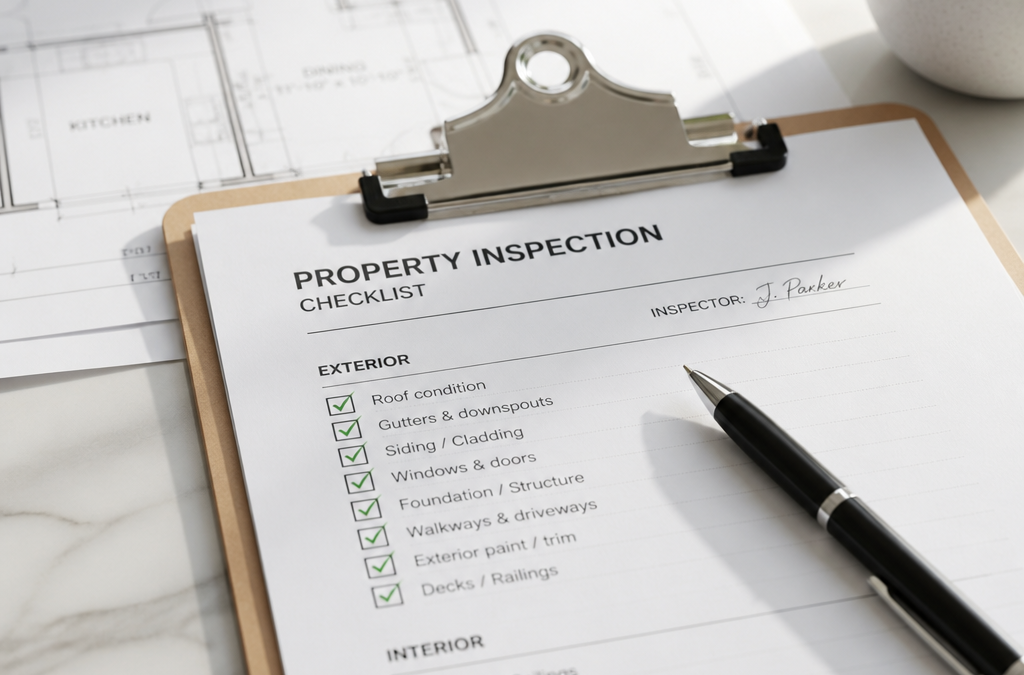
Most Brisbane homebuyers walk into their handover inspection unprepared, and many pay for it long after the keys are handed over. A handover inspection in Brisbane is not a courtesy service offered by your builder. It is an independent, licensed assessment of whether your new home has actually been built to the standard you contracted for, and it is your last real opportunity to demand rectification before legal and financial responsibility shifts entirely to you. Builders are not infallible, trades are frequently rushed across multiple sites, and defect reports from new Brisbane homes routinely document dozens of issues at practical completion. What you do at this stage shapes everything that follows.
Table of Contents
- Quick Takeaways
- What Is a Handover Inspection and What Does It Cover?
- When to Book Your Inspection in Brisbane
- What Licensed Inspectors Actually Check
- Common Defects Found in New Brisbane Homes
- Your Rights Under Queensland Law
- Comparison: DIY Walkthrough vs. Builder’s Inspection vs. Independent Inspection
- What Your Pre-Handover Inspection Report Should Tell You
- Frequently Asked Questions
- References
Quick Takeaways
| Key Insight | Explanation |
|---|---|
| A handover inspection is not the builder’s walkthrough | The practical completion inspection (PCI) you do with your builder is not a substitute for an independent licensed inspector. These serve different purposes and have different outcomes. |
| Book before you accept the keys | Under Queensland building contracts, you receive at least five days’ written notice before the handover date. Use that window to engage an independent inspector, not after you’ve already collected the keys. |
| Waterproofing is the highest-stakes item on the checklist | Incorrect waterproofing in wet areas and on external decks is one of the most common and costly failures in Brisbane new builds. Catching it at handover prevents major water damage claims later. |
| A defects list must be documented in writing | Verbal agreements with builders about fixing items are worth nothing. Every defect must appear in a signed, written defects list before you hand over the final progress payment. |
| Finishing trades are the most likely source of defects | Painters, tilers, and joiners are often the last on site and the first to be hurried off to the next job. Their work generates the majority of defects found in Brisbane handover inspections. |
| A photo-enhanced report makes rectification faster | Reports that identify defects, photograph them, and assign responsibility to the relevant trade give builders an actionable document rather than a vague list to dispute. |
| Brisbane’s climate creates specific failure points | High humidity, intense summer storms, and subtropical heat accelerate failures in waterproofing, external cladding, and roofing. These need specific attention in any South East Queensland inspection. |
What Is a Handover Inspection and What Does It Cover?
A handover inspection, formally known in Queensland as a practical completion inspection (PCI), is an independent assessment of your newly constructed home conducted before you accept handover from the builder and make the final progress payment. The terms are used interchangeably by homeowners, inspectors, and builders across Brisbane, Gold Coast, Logan, Ipswich, and Redland Bay. They describe exactly the same process.
The distinction that matters most is who conducts it. Your builder’s site supervisor walking you through the property is not a practical completion inspection. It is a sales handover, and the person guiding you has a direct financial interest in a smooth, unchallenged conclusion. An independent inspection is conducted by a fully licensed building inspector with no connection to the builder or any of the trades involved.
Practical completion under a Queensland residential building contract means the builder has substantially finished the work. The home is habitable, all services are connected, and no major works remain outstanding. Minor items, including paint touch-ups and minor finishes, may still be on a defects list. The inspection documents everything that falls short of what your contract specifies and what Australian building standards require.
When to Book Your Inspection in Brisbane
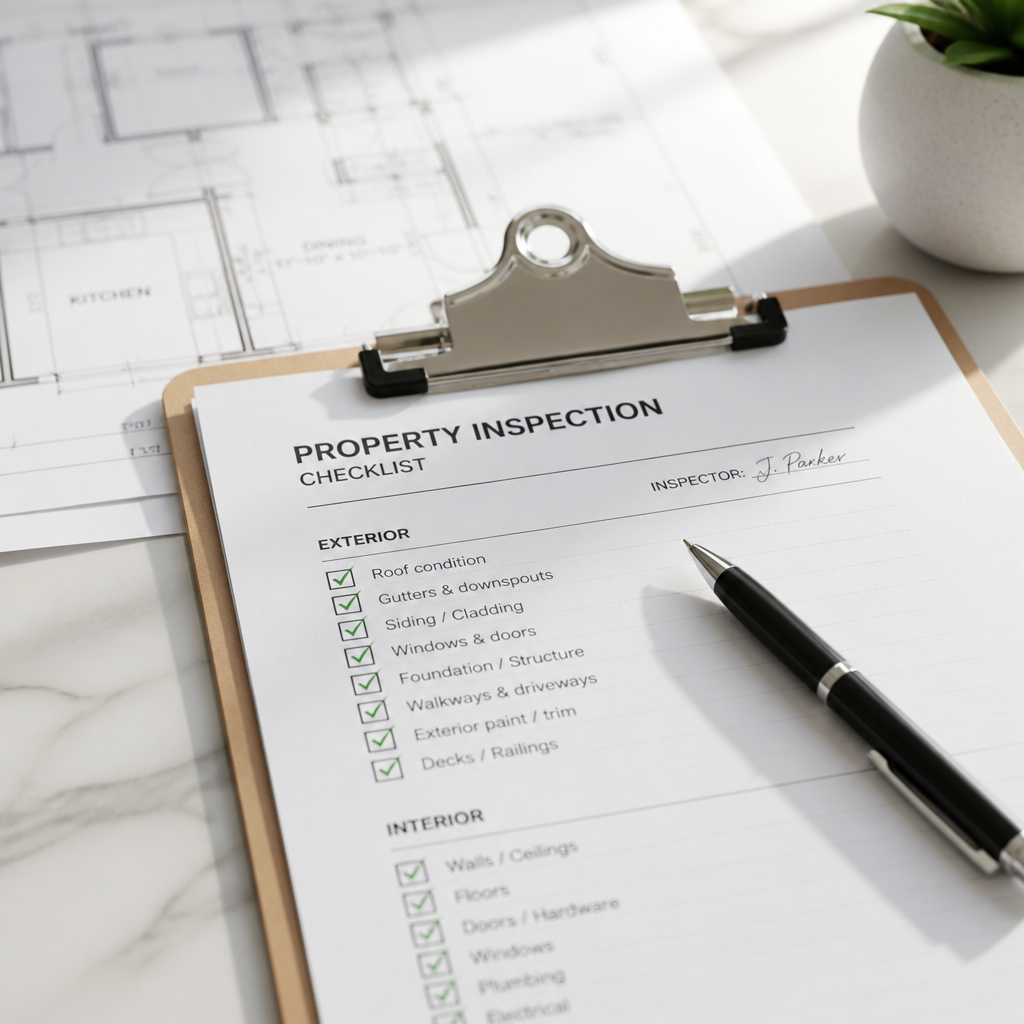
Timing is one of the most common mistakes Brisbane homeowners make. Under Queensland residential building contracts, the builder is required to notify you when practical completion is approaching, generally at least two to three weeks in advance, and must provide at least five days’ written notice before the actual handover inspection date. That notice period is your window to engage an independent inspector. Do not wait until after you have attended the builder’s walkthrough.
Book your inspection the moment you receive written notice from your builder. A good inspector operating in the Brisbane market will work within your notice period to schedule an appointment that allows the report to reach you before you sign anything or make the final payment. Same-day reporting capability matters here. GoInspect delivers photo-enhanced defect reports on the day of inspection, which means you have documented evidence in hand when you sit down with your builder.
Pro tip: If your builder pressures you to attend the handover walkthrough before your independent inspection is complete, politely decline. You are entitled under Queensland law to conduct your own inspection, and accepting handover before your inspector has completed their assessment removes your strongest point of leverage for rectification.
For off-the-plan and high-rise apartment purchases in Brisbane, the same principle applies. Practical completion triggers the settlement clock, and once you settle, the options for demanding rectification change significantly. Engage your inspector as soon as practical completion is confirmed, not after you have already agreed to settle.
What Licensed Inspectors Actually Check
A thorough handover inspection in Brisbane covers every accessible element of the completed home, not just the visible finishes. Here is what a licensed independent inspector examines in practice.
Structural Elements and the Slab
The concrete slab, walls, roof frame, and all load-bearing components are assessed for cracking, movement, and workmanship defects. Not every crack is a structural defect, but an experienced inspector distinguishes between cosmetic settling and cracks that indicate a workmanship or design issue. Roof spaces are inspected for insulation installation quality, sarking placement, tile or sheet metal alignment, and flashing around all roof penetrations.
Wet Areas, Waterproofing, and Plumbing
Brisbane’s subtropical climate makes waterproofing failure a higher-stakes issue than in drier climates. Inspectors assess shower bases, bathroom walls, external decks, and balconies for evidence of incorrect waterproofing installation. While a destructive moisture test is not part of a standard inspection, an experienced inspector recognizes installation patterns that correlate with future waterproofing failures. Plumbing is checked for leaking taps, showerheads, pipe connections, and toilets, along with correct drainage fall in shower bases.
External Elements and Roof
Gutters, downpipes, fascias, external cladding, and external decking are all assessed. Drainage grading around the home is checked to confirm that water is directed away from the structure. Roofing is inspected from ground level and, where safe access exists, directly. Ridge and valley conditions, displaced or cracked tiles, and flashing integrity are all on the checklist.
Finishes, Fixtures, and Fittings
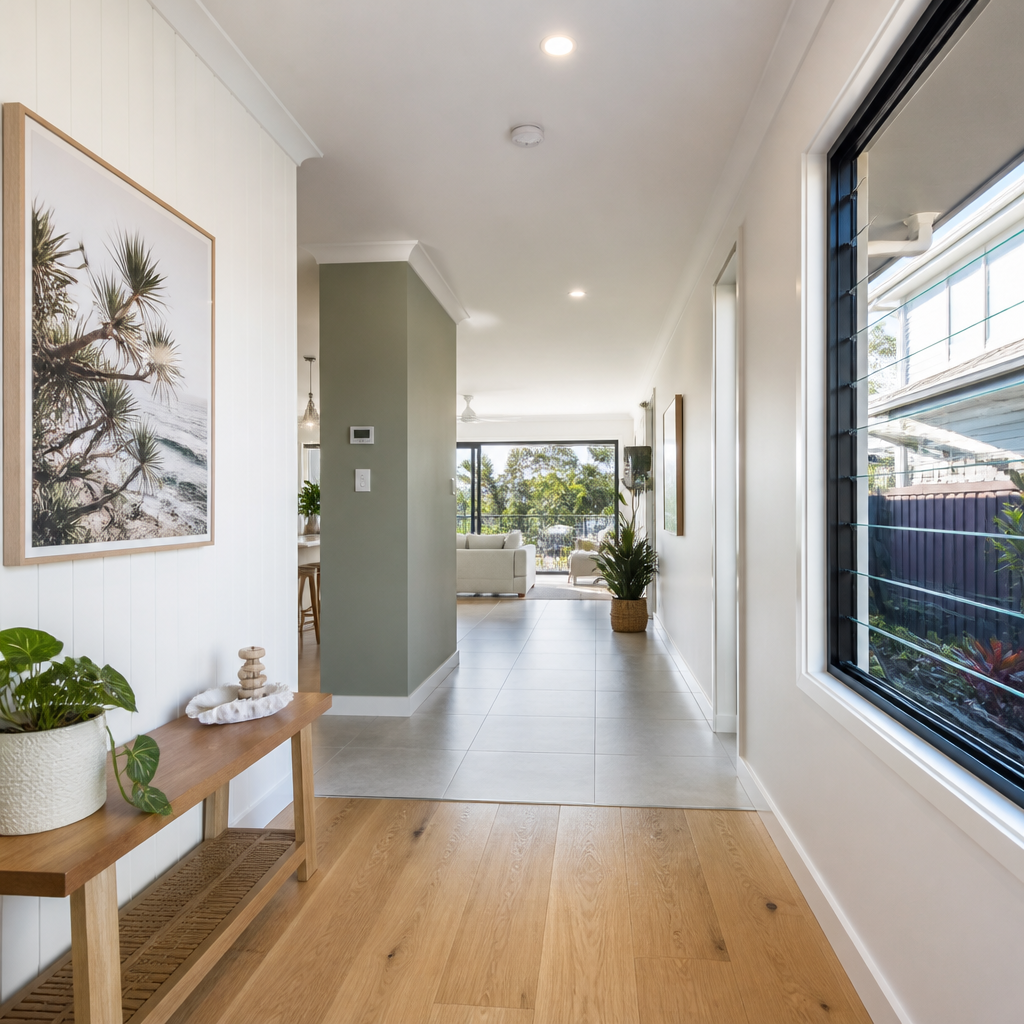
Paint quality, plasterboard joins, cornice lines, cabinetry alignment, door and window operation, tiling, and all installed fixtures are assessed against the contracted specifications and applicable building standards. The inspector also cross-references the home against your contract plans to confirm that all agreed inclusions are present.
Pro tip: Bring a printed copy of your contract and your selections or inclusions schedule to the inspection, or ensure your inspector has access to these documents. Defects that relate to missing or incorrect inclusions, not just workmanship, can only be identified if the inspector knows what was contracted.
Common Defects Found in New Brisbane Homes
The defects that show up most consistently in new Brisbane and South East Queensland handover inspections are not random. They follow predictable patterns driven by the way volume builders and subcontractors operate under the pressure of concurrent projects.
Plasterwork defects, including hollowness, cracking, and poorly finished joins, are common in volume builds where plastering crews work quickly across multiple sites simultaneously. Tiling defects are another frequent finding: lippage (uneven tile edges), missing or incomplete grout, cracked tiles, and incorrect fall in wet areas all appear regularly. Cabinetry and joinery issues, including doors that do not hang level, misaligned handles, drawers that bind, and improperly secured shelving, are found in almost every handover inspection across Brisbane and the surrounding regions.
Most defects found at handover are fixable and unremarkable. A misaligned door, a section of render that needs attention, a drainage fall that is slightly out. Finding them before you have paid the final cent and taken the keys is the entire point.
Roofing and guttering faults, door and window alignment issues, and drainage grading that has not been correctly executed are also consistent findings. The more serious items, the ones that generate significant costs if left unaddressed, include waterproofing that has not been correctly applied to wet area walls, incorrect shower base falls, and inadequate flashing around roof penetrations. Brisbane’s combination of heat, humidity, and heavy seasonal rainfall accelerates water ingress wherever waterproofing has been cut short.
Your Rights Under Queensland Law
Queensland homeowners have clearly defined rights in relation to practical completion inspections, and understanding them before you step foot in your new home changes how you approach the process.
The builder must notify you when the project is approaching practical completion, generally at least two to three weeks before the expected date, and must provide at least five days’ written notice before the formal inspection. You are legally entitled to attend and conduct your own inspection. You are also entitled to engage an independent building inspector to carry out that inspection on your behalf.
All defects, incomplete work, and items not built to specification identified at the inspection are documented in a defects list. This list is typically signed by both parties at the inspection or shortly after. Once the defects list is agreed and shared, the builder is responsible for rectifying those items within a reasonable timeframe after practical completion. Your final progress payment generally cannot be demanded by the builder until the home reaches practical completion, which makes this the most commercially significant point in the entire build.
The Queensland Building and Construction Commission (QBCC) is the regulatory body that oversees building disputes in Queensland. Its Standards and Tolerances Guide is the document inspectors and builders refer to when assessing whether specific workmanship falls within acceptable limits or constitutes a defect. An independent inspector who knows this guide gives you a defensible position, not just a list of personal grievances. Non-structural defects generally have a complaint window, so it is important not to delay the inspection or defer dealing with any issues identified after handover.
Comparison: DIY Walkthrough vs. Builder’s Inspection vs. Independent Inspection
| Approach | Who Conducts It | Reliability and Outcome |
|---|---|---|
| DIY homeowner walkthrough | You, without professional training or tools | Misses structural issues, waterproofing deficiencies, and code compliance problems. No defensible report. Builder is unlikely to act on verbal or informal lists. High risk of significant defects going undocumented. |
| Builder’s practical completion walkthrough | Builder or site supervisor with you present | Identifies only items the builder is willing to acknowledge. The supervisor’s interest is in completing handover and receiving the final payment. Not independent. Not suitable as your sole inspection. |
| Independent licensed inspection (GoInspect) | Fully licensed independent inspector with no builder affiliation | Systematic, documented assessment against contract plans and building standards. Photo-enhanced report assigns defects to specific trades. Same-day reporting. Defensible defects list you can present to your builder. Covers Brisbane, Gold Coast, Logan, Ipswich, and Redland Bay. |
The comparison above is not a close call. Homeowners who rely solely on the builder’s walkthrough consistently find, after settlement, that they have accepted a home with unresolved defects they were not equipped to identify. An independent licensed inspection is the only approach that gives you a documented, trade-specific defects list with photographic evidence before you make your final payment.
What Your Pre-Handover Inspection Report Should Tell You
Not all inspection reports are equal. A standard defect report that lists problems in vague language and leaves it to you to figure out what to do with them is only marginally better than no report at all. A report that actually moves the rectification process forward is built differently.
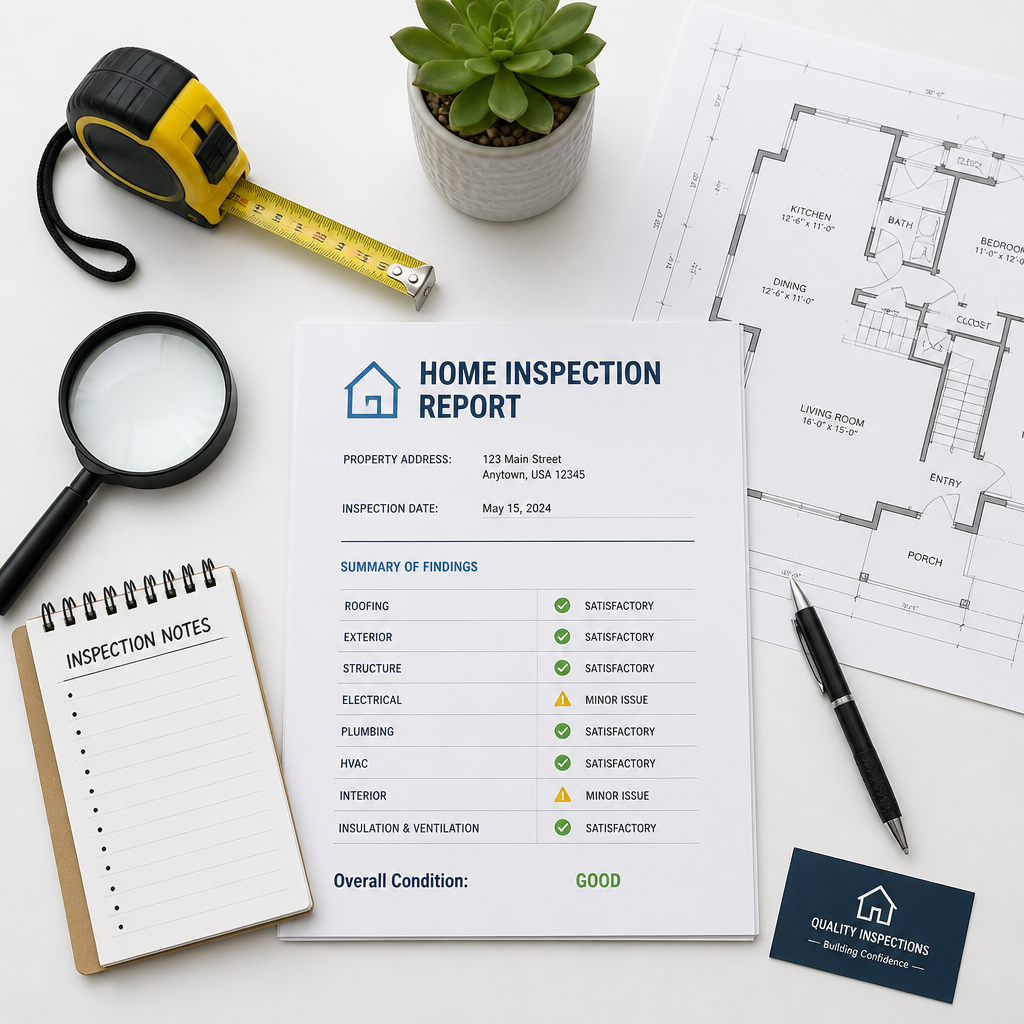
Your pre-handover inspection report should document every defect with a clear description, a photograph, the location within the property, and a reference to the applicable standard or contracted specification. Crucially, it should assign responsibility to the specific trade responsible for the defect: plumber, tiler, painter, carpenter, or roofer. This is what transforms a defects list into an actionable document that a builder can give directly to their subcontractors.
GoInspect’s reports are designed specifically for this purpose. They use a photo-enhanced format that identifies each defect, assigns it to the relevant trade, and is delivered on the same day as the inspection. For high-rise developments and multi-unit projects across Brisbane, the reports are also customised to reflect the nature of the build and the specific trades involved. The result is a document that builders and developers can use to manage rectification efficiently rather than one that generates a new round of disputes about what the defect actually is.
What to look for in any pre-handover report: every defect should be photographed and located, the applicable building standard or specification should be referenced where relevant, and the report should make clear which items require immediate rectification before you accept handover versus which items may be addressed on a post-handover defects list. A report that does not make this distinction is not helping you manage the process.
GoInspect provides pre-handover inspections across Brisbane, the Gold Coast, Logan, Ipswich, and Redland Bay starting from $550 including GST. For homeowners and investors buying into new residential projects in South East Queensland, that cost is trivial against the cost of a single significant unresolved defect after settlement.
Frequently Asked Questions
What is the difference between a practical completion inspection and a handover inspection?
There is no practical difference. In Queensland, practical completion inspection (PCI) is the formal contractual term, while handover inspection is the term most commonly used by homeowners and independent inspectors. Both refer to the independent assessment of your new home conducted before you accept it from the builder and make the final progress payment.
Can I attend the handover inspection myself instead of hiring an inspector?
You are legally entitled to attend and conduct your own walkthrough. In practice, most homeowners are not equipped to identify incorrect drainage fall in a shower base, inadequate waterproofing membrane coverage, or the difference between cosmetic settling cracks and workmanship defects. A licensed inspector identifies defects that a non-professional will consistently miss, and produces a report that the builder is required to take seriously.
How long does a new home handover inspection take in Brisbane?
The duration depends on the size and complexity of the home. A standard single-storey residential home typically takes two to four hours for a thorough independent inspection. Larger homes, dual-occupancy properties, or high-rise apartments may take longer. Your inspector should not rush this process. Thoroughness at this stage is what produces a complete defects list rather than one that misses items you discover after moving in.
What happens if the builder refuses to fix defects identified in my inspection report?
If your builder declines to rectify defects documented in a written defects list, you have options under Queensland law. The QBCC can be engaged to assist with disputes about defective building work. An independent inspection report prepared by a licensed inspector, with photographic evidence and references to applicable building standards, significantly strengthens your position in any QBCC complaint or dispute process. Verbal agreements or undocumented defects are far harder to pursue.
When is the best time to book a handover inspection in Brisbane?
Book your independent inspection as soon as you receive written notice from your builder that practical completion is approaching. Do not wait until after the builder’s walkthrough has occurred. Under Queensland building contracts, you receive at least five days’ written notice before the formal handover inspection date. That window is your opportunity to have an independent assessment completed and the report in your hands before you sign anything or commit to a settlement date.
Does GoInspect provide handover inspections outside of Brisbane?
Yes. GoInspect conducts pre-handover and practical completion inspections across Brisbane, the Gold Coast, Logan, Ipswich, and Redland Bay. The company also provides customised reports for high-rise developments and large housing projects, not only standard residential homes. If your property falls within South East Queensland, you can contact GoInspect directly at goinspect.com.au to confirm service availability for your address.
What does a new home inspection in Brisbane cost, and is it worth it?
GoInspect’s pre-handover inspections start from $550 including GST. When set against the cost of a single significant unresolved defect, such as a waterproofing failure that causes water damage, a roof penetration that leaks into the ceiling cavity, or a structural crack that requires engineering assessment, that cost is not a meaningful consideration. The real financial risk is accepting a defective home without documentation, at which point rectification becomes a negotiation you are negotiating from a weaker position.
Have you been through a new home handover inspection in Brisbane or South East Queensland? Share what you found, or what you wished you had known before the day.
References
- Queensland Building and Construction Commission: Official guidance on practical completion inspections and homeowner rights
- InspectMyHome: What a handover inspection involves for new Brisbane builds
- Landmark Inspections: Building a new home in Brisbane and the inspection stages involved
- ABKJ Lawyers: Building defects in new Queensland homes and QBCC complaint processes