
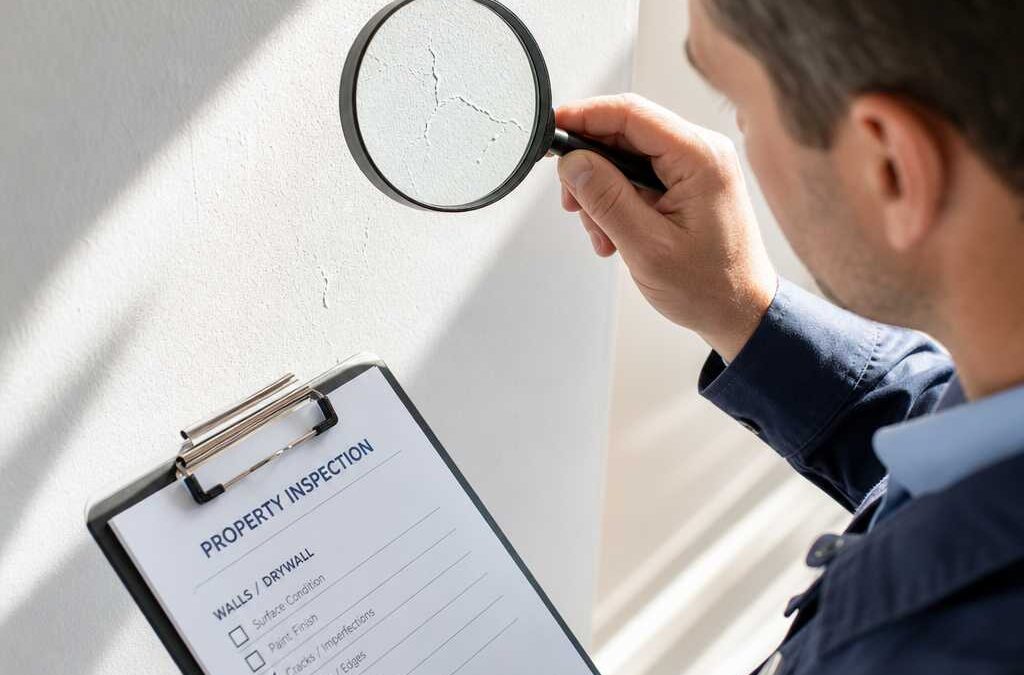
Most buyers assume a brand-new home is a defect-free home. That assumption costs them money, stress, and months of unresolved disputes with builders. A handover inspection Brisbane consistently reveals that even highly regarded project builders deliver homes with dozens of defects at practical completion. Based on inspection data from new residential builds across Brisbane, Gold Coast, Logan, Ipswich, and Redland Bay, the average new home has between 30 and 80 individual defects at the point of handover. Many of these issues are invisible to an untrained eye but carry serious long-term consequences if left uncorrected before keys are handed over.
Table of Contents
- Quick Takeaways
- Why New Homes Have Defects Even After Builder Sign-Off
- Most Common Defects Found in New Brisbane Homes
- Trade-Specific Defect Breakdown
- Comparison of Handover Inspection Approaches
- What Happens If Defects Are Missed at Handover
- How a Photo-Enhanced Defect Report Changes Outcomes
- Frequently Asked Questions
- References
Quick Takeaways
| Key Insight | Explanation |
|---|---|
| New homes average 30 to 80 defects at handover | Even reputable Brisbane builders routinely deliver homes with significant defects that a licensed inspector will document before you accept keys. |
| Waterproofing failures are the most expensive defect category | Bathroom and balcony waterproofing defects often go undetected until water damage becomes visible, by which point rectification costs escalate dramatically. |
| Roof and ceiling defects are consistently underreported by buyers | Without a licensed inspector accessing the roof cavity, improperly installed insulation, structural tie-down failures, and sarking defects go undetected. |
| Defect responsibility is trade-specific | A photo-enhanced report that assigns each defect to a specific trade speeds up rectification by removing ambiguity between builder and subcontractor. |
| Same-day reports are critical for handover deadlines | Builders often pressure buyers to sign off on handover quickly. A same-day defect report gives buyers documented grounds to delay sign-off legally. |
| High-rise defects differ from house defects | Apartments and multi-storey developments have unique defect categories including fire door compliance, common area finishes, and balcony membrane failures. |
| Pre-settlement inspections protect your legal position | Queensland contract law gives buyers rights to raise defects before settlement. Inspections conducted before practical completion strengthen your negotiating position. |
Why New Homes Have Defects Even After Builder Sign-Off
The building industry in South East Queensland has experienced sustained volume pressure over the past several years. Project builders managing hundreds of concurrent builds across Brisbane, Logan, Ipswich, and the Gold Coast rely on subcontractor networks where quality control is inconsistent. Builder supervisors conduct their own practical completion inspections, but those inspections are not independent and are not designed to catch every defect before handover.
In practice, a builder’s sign-off represents the builder’s assessment that the home meets contract specifications. It does not mean the home is defect-free. The Queensland Building and Construction Commission (QBCC) receives thousands of defect complaints annually, the majority related to new residential construction. These are complaints that arose after handover, which means the defects were present at the time of inspection but not caught.
This is exactly why an independent construction defect inspection by a fully licensed inspector matters. The inspector owes their duty to the homeowner, not the builder.


Most Common Defects Found in New Brisbane Homes
The following defect categories appear in virtually every pre-handover inspection conducted across Brisbane and surrounding regions. Some are cosmetic. Many are structural or functional. All of them should be documented before you sign anything.
Waterproofing Membrane Defects
Waterproofing failures in wet areas including showers, bathrooms, laundries, and external balconies are among the most frequently identified new home defects Brisbane inspectors encounter. Common failures include incomplete membrane coverage, missing upstands to the correct height, and inadequate sealing at wall-floor junctions. These defects are invisible to the eye during a casual walkthrough but are detectable by a trained inspector.
The consequence of missing a waterproofing defect at handover is significant. Water ingress into wall cavities and substrates causes mould, structural timber damage, and costly tile removal works. Rectification costs for a single wet area can reach $5,000 to $15,000 once the damage is established.
Roof and Roof Cavity Issues
Improperly installed sarking, missing or displaced insulation batts, incorrect roof tie-down connections, and inadequate valley flashing are consistently found in new builds. These defects are only accessible from inside the roof cavity, which a builder’s walk-through inspection rarely includes. GoInspect inspectors access roof cavities as a standard part of every pre-handover inspection.
Cracking in Render and Internal Linings
Shrinkage cracking in rendered external walls and internal plasterboard is common in Queensland’s climate. The question an inspector evaluates is whether the cracking falls within acceptable tolerances under AS 3600 and the relevant building code, or whether it indicates a structural concern or a premature settlement issue that the builder must address.
Door and Window Fitting Defects
Misaligned doors that do not close flush, windows that do not seal properly, incorrect hardware installation, and missing weather seals are routine findings. These defects affect both comfort and energy efficiency and are the responsibility of the joinery trade to rectify before handover.
Electrical and Plumbing Non-Compliance
Missing GPO covers, incorrectly positioned light fittings, plumbing fixtures that are not fully secured, and hot water pressure that falls outside specification are all standard findings. These are not cosmetic. They are functional defects that have clear trade responsibility and must be corrected before settlement.
Trade-Specific Defect Breakdown
One of the practical advantages of a GoInspect report is that every defect is assigned to the responsible trade. This is not just an administrative convenience. Builders manage multiple subcontractors and disputes between trades over who is responsible for a defect are common. A report that says “bathroom not finished” is useless. A report that says “waterproofing membrane upstand on shower wall does not meet AS 3740 minimum height, responsibility: waterproofer” removes the dispute entirely.
The table below provides a trade-level view of the defect categories most commonly identified in new Brisbane home inspections.
| Trade | Common Defect Types | Severity Range |
|---|---|---|
| Waterproofer | Incomplete membrane coverage, insufficient upstands, failed shower areas | High, long-term water damage risk |
| Plasterer / Renderer | Surface cracking, uneven finishes, delamination, missing control joints | Cosmetic to moderate structural concern |
| Roofer / Tiler | Lifted or cracked roof tiles, incorrect valley flashing, ponding water | Moderate to high, weather ingress risk |
| Carpenter / Joiner | Misaligned doors, gaps in architraves, missing weather seals | Low to moderate |
| Electrician | Missing switch plates, poorly positioned fittings, incomplete connections | Low to moderate |
| Plumber | Unsecured fixtures, drains not flush, hot water temperature variance | Low to moderate |
| Painter | Missed patches, inconsistent sheen, runs, incomplete cutting in | Cosmetic |
Pro tip: Ask your inspector to confirm that every defect in the report includes the responsible trade, a photographic reference, and a specific standard or tolerance that the defect fails to meet. This is the format that gets rectification done fastest because builders cannot argue with documented non-compliance against a named Australian Standard.
Comparison of Handover Inspection Approaches
Not all pre-handover inspection services deliver the same outcome. The format of the report, the scope of the inspection, and the inspector’s independence all affect how useful the inspection actually is for getting defects rectified.
| Inspection Approach | What You Get | Practical Outcome |
|---|---|---|
| Builder’s own practical completion inspection | Internal sign-off by builder’s supervisor, no independent verification, limited documentation | Defects missed or deprioritised, buyer has no leverage post-settlement |
| Generic pre-purchase inspection report | Text-based defect list without trade attribution, may not cover new build standards | Builder disputes responsibility, rectification is slow and incomplete |
| GoInspect photo-enhanced pre-handover report | Photo-documented defects with trade attribution, Australian Standard references, same-day delivery starting from $550 including GST | Builders and trades respond faster, disputes are minimised, buyer has documented grounds to delay sign-off |
“The Queensland Building and Construction Commission reports that defect disputes are the single largest category of complaints from new home buyers in Queensland. The majority of those disputes could be avoided with an independent inspection conducted before practical completion.” – Queensland Building and Construction Commission, QBCC Annual Report
What Happens If Defects Are Missed at Handover
Signing the practical completion certificate without an independent inspection is one of the most financially damaging decisions a new home buyer can make. Once you accept handover, the dynamic shifts. Defects that would have been the builder’s clear responsibility to fix before settlement become post-handover warranty claims, which are slower, more contested, and far more stressful to resolve.

Queensland’s statutory warranty period under the Queensland Building and Construction Commission Act 1991 provides some protection. Structural defects are covered for 6 years and 6 months. Non-structural defects are covered for 12 months. But making a warranty claim requires you to prove that the defect existed at the time of handover. An inspection report dated before handover provides that proof. Without it, builders routinely argue that the defect occurred post-settlement due to owner activity.
A common mistake is assuming that a defect list provided to the builder informally, through a phone call or a walkthrough conversation, carries any legal weight. It does not. A formally documented inspection report from a licensed inspector is the only instrument that creates an unambiguous pre-settlement defect record.
Pro tip: Schedule your pre-handover inspection at least five business days before your nominated settlement date. This gives your inspector time to complete the report and gives you time to formally submit the defect list to your builder and request written confirmation of rectification before you are required to settle.
How a Photo-Enhanced Defect Report Changes Outcomes
The format of a defect report is not a secondary consideration. It is the primary factor that determines whether the builder actually fixes the defects in a reasonable timeframe. A written list of defects without photographic evidence is easy for a builder to dispute. A photograph of a waterproofing upstand that clearly fails AS 3740 is not disputable.
Same-Day Reporting for Time-Sensitive Settlements
GoInspect’s same-day reporting capability is specifically designed for the reality of new home handovers in Brisbane. Settlement deadlines are fixed. Builders do not extend them willingly. If your inspection report arrives three days after your settlement date, it is functionally useless for that settlement. A report delivered the same day the inspection is completed gives you the documentation you need before your builder’s deadline passes.
High-Rise and Multi-Dwelling Inspections
Apartment and townhouse inspections require a customised approach. Common area finishes, fire door compliance, balcony membrane integrity, lift lobby standards, and car park defects are all part of a high-rise pre-handover inspection scope. These defect categories do not appear in standard house inspection checklists. GoInspect produces customised reports for high-rise and multi-dwelling developments across Brisbane and the Gold Coast that address the full scope of apartment-specific defects.
Investor-Specific Inspection Needs
Property investors purchasing off-the-plan in Brisbane have a different set of priorities than owner-occupiers. Defects that would be a minor inconvenience for an owner become a leasing liability for an investor. A tenant who discovers a non-functional exhaust fan or a leaking shower within weeks of moving in creates a property management problem and a maintenance cost that was entirely avoidable. Investors benefit from the same pre-handover inspection process with additional focus on habitability and tenancy compliance.
Frequently Asked Questions
What is a handover inspection in Brisbane and when should it happen?
A handover inspection, also called a practical completion inspection or pre-handover inspection, is an independent assessment of a newly built home conducted immediately before the buyer accepts the keys from the builder. It should happen at least five business days before your scheduled settlement date to allow time for defect documentation and formal submission to your builder.
How many defects should I expect in a new Brisbane home?
Based on inspection data across new residential builds in Brisbane and surrounding areas, the average new home has between 30 and 80 individual defects at the point of practical completion. Even premium price-point builds consistently produce defect lists that run to multiple pages. The number of defects is not the most important factor. The severity and trade responsibility of each defect is what determines how quickly and completely they are rectified.
Can I do my own pre-handover inspection instead of hiring an inspector?
You can walk through your new home before handover, but an untrained walkthrough will not identify waterproofing failures, roof cavity issues, structural tie-down defects, or non-compliant electrical and plumbing installations. These are the defect categories that carry the highest rectification costs if missed. A licensed inspector has the training, equipment, and legal standing to produce a report that builders and the QBCC will accept as formal evidence of pre-settlement defects.
What Australian Standards apply to new home defects in Queensland?
Multiple Australian Standards apply to different elements of residential construction. AS 3740 covers waterproofing of wet areas. AS 3600 covers concrete structures. AS 4200 covers pliable building membranes and sarking. The National Construction Code sets minimum performance requirements for the full building envelope. A qualified inspector references the applicable standard for each defect identified, which is what makes the report actionable rather than merely descriptive.
What is the difference between a pre-handover inspection and a pre-settlement inspection?
These terms are often used interchangeably but carry a slightly different meaning in practice. A pre-handover or practical completion inspection occurs at the point the builder declares the home ready for occupation. A pre-settlement inspection may occur at an earlier stage during construction, sometimes called a frame inspection or pre-plaster inspection, to catch structural defects before they are concealed by linings. For maximum protection, buyers should consider inspections at multiple construction stages rather than only at practical completion.
Does GoInspect provide inspections for apartments and high-rise buildings in Brisbane?
Yes. GoInspect provides customised pre-handover inspection reports for high-rise developments and multi-storey residential buildings across Brisbane and the Gold Coast. Apartment inspections cover the individual unit as well as common area defects relevant to the lot entitlement, including fire door compliance, balcony membrane integrity, and car park line marking and surface standards. Reports are formatted for strata and body corporate use where required.
How much does a pre-handover inspection cost in Brisbane?
GoInspect’s pre-handover inspection service starts from $550 including GST. The investment is minimal when compared with the rectification costs of a single missed waterproofing defect, which routinely exceeds $5,000 once water damage has established. For investors and developers managing multiple units, volume inspection packages are available with trade-attributed, photo-enhanced reports delivered the same day.
If you have recently gone through a new home handover in Brisbane or are preparing for one, share your experience below. Did your builder address defects before settlement, or did the disputes begin after you accepted the keys?
References
- Queensland Building and Construction Commission, official regulatory body for builder licensing and defect complaints in Queensland
- Australian Building Codes Board, source of the National Construction Code governing minimum building performance standards in Australia
- Standards Australia, publisher of AS 3740, AS 3600, and other Australian Standards referenced in residential construction defect assessments
- Forbes, analysis of real estate investment risks and the financial impact of construction defects on property buyers
- Statista, data on residential construction volumes, defect complaint rates, and housing market activity in Australia