
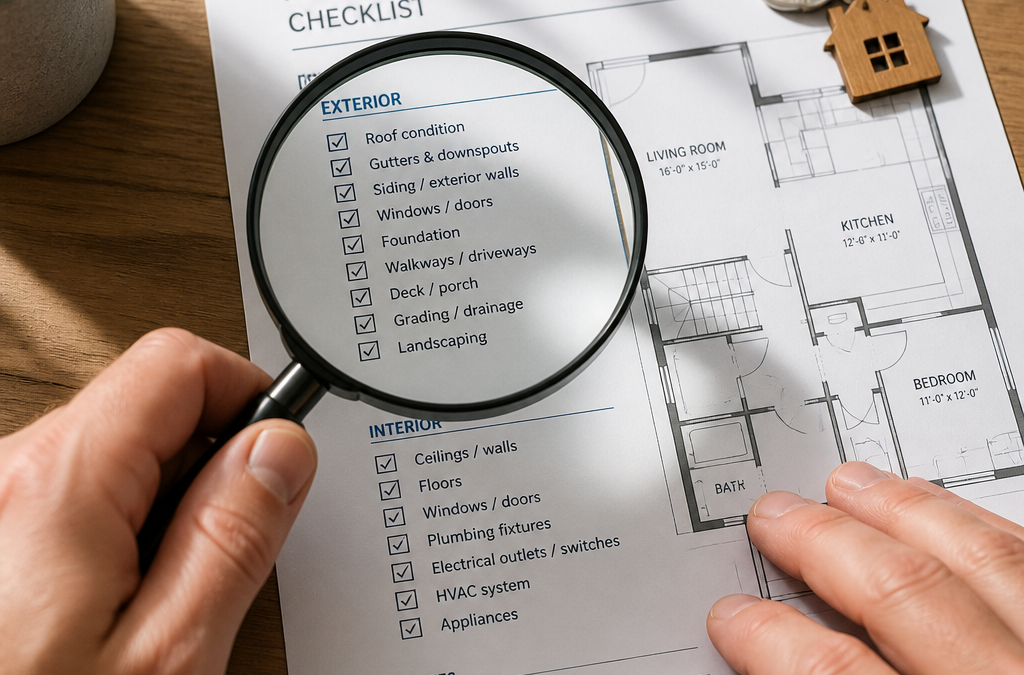
Settlement day should be the finish line. You get the keys, you pop the champagne, and you move in. But for a growing number of Queensland homebuyers, it is also the day they start discovering problems that were not obvious during the pre-settlement inspection – cracked render, missing fixtures, plumbing that does not drain properly, or waterproofing that was never done right. If you are dealing with new home defects after settlement, the good news is that your rights do not evaporate the moment ownership transfers. The frustrating news is that those rights are time-sensitive, procedurally specific, and easy to lose if you do not act correctly from day one.
Table of Contents
- Quick Takeaways
- What Settlement Actually Means for Your Rights
- Queensland Building Defects Rights: The Legal Framework
- The Most Common Defects Found After Settlement
- Pre-Settlement Inspection: Your Last Best Defence
- How to Document and Report Defects Effectively
- Comparing Your Options When Defects Are Found After Settlement
- Frequently Asked Questions
- References
Quick Takeaways
| Key Insight | Explanation |
|---|---|
| Settlement does not end seller obligations | Under Queensland’s Property Law Act 2023 (commenced 1 August 2025), sellers must disclose material defects. Failure to do so creates legal liability even after the keys change hands. |
| Document defects within 24 to 48 hours | Timestamped photos and written records made immediately after settlement give you the strongest evidentiary position if you need to pursue a claim. |
| Different defects fall under different laws | Structural defects in new builds are typically covered by the Queensland Home Warranty Scheme. Non-disclosed defects from a seller may be pursued under contract law or Australian Consumer Law. |
| A pre-settlement inspection is not optional | Skipping or rushing the final inspection removes your clearest evidence that a defect existed at the time of handover, not after. |
| Trade responsibility matters in new builds | In new home construction, each defect typically traces back to a specific trade. Reports that assign responsibility by trade dramatically speed up the rectification process. |
| Check Queensland defect assistance and time limits | Contractual obligations, QBCC rectification assistance and Home Warranty Scheme cover have different conditions. Check current QBCC eligibility and deadlines; notify the builder promptly and obtain advice where needed. |
| Unapproved structures are a post-settlement trap | Carports, patios, and renovations built without permits are a common undisclosed issue in QLD. The new owner inherits the compliance risk unless the seller was required to disclose it and did not. |
What Settlement Actually Means for Your Rights
Settlement transfers legal ownership. From that moment, you are responsible for the property – its rates, its insurance, and its ongoing maintenance. But this does not mean the builder or seller walks away clean. What settlement actually closes is the contract for sale. It does not extinguish statutory warranties, it does not wipe out rights arising from non-disclosure, and it does not protect a builder from defective work.
The confusion arises because many buyers assume that signing off on settlement implies they accepted the property in whatever condition it was in. That is only partially true. You accept what was visible, disclosed, and agreed to in the contract. Hidden defects, structural issues concealed under finishes, and work that failed to meet the Building Code of Australia are a different matter entirely.
For buyers of newly constructed homes in Brisbane, Gold Coast, Logan, Ipswich, and Redland Bay, the practical question is simple: did you get what the builder contracted to deliver? If the answer is no, the warranty and dispute mechanisms under Queensland law are designed to give you a path to rectification. Using them correctly is the challenge.
The difference between defects and wear and tear
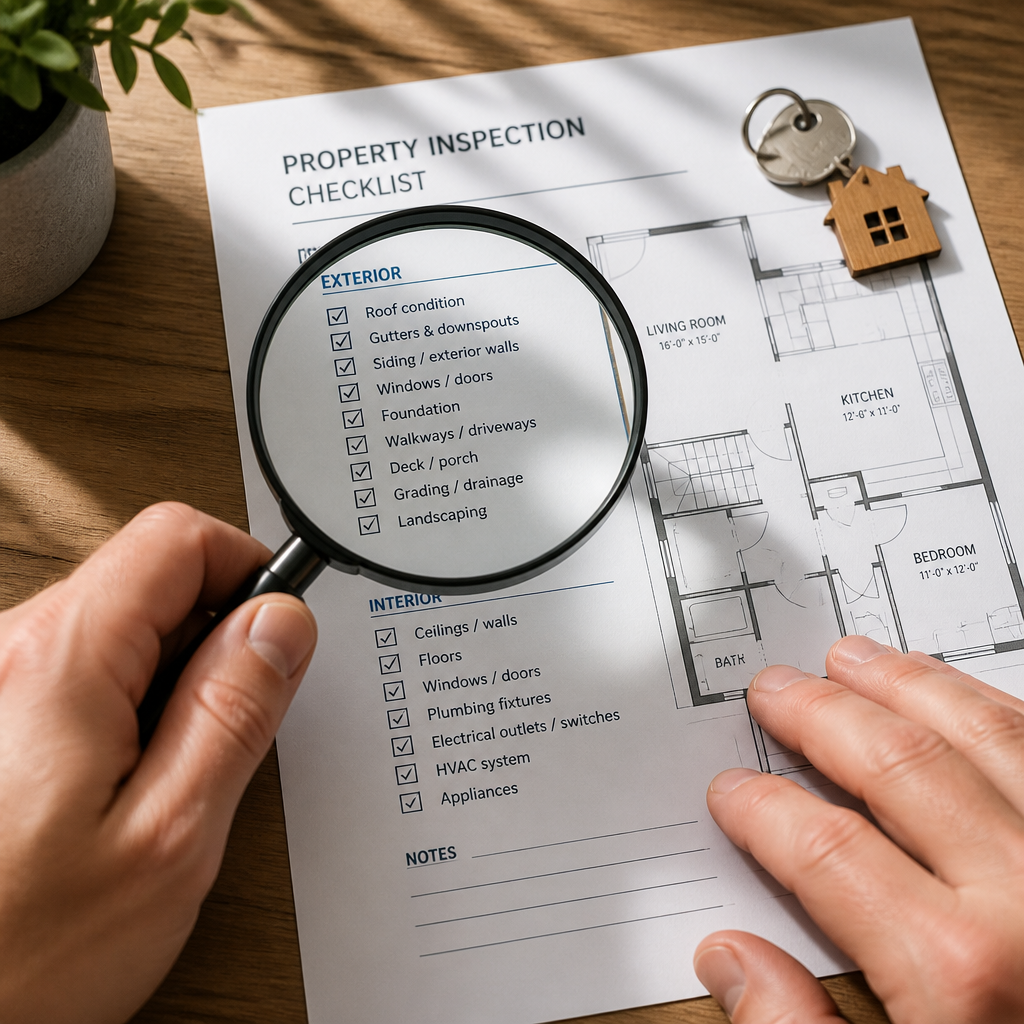
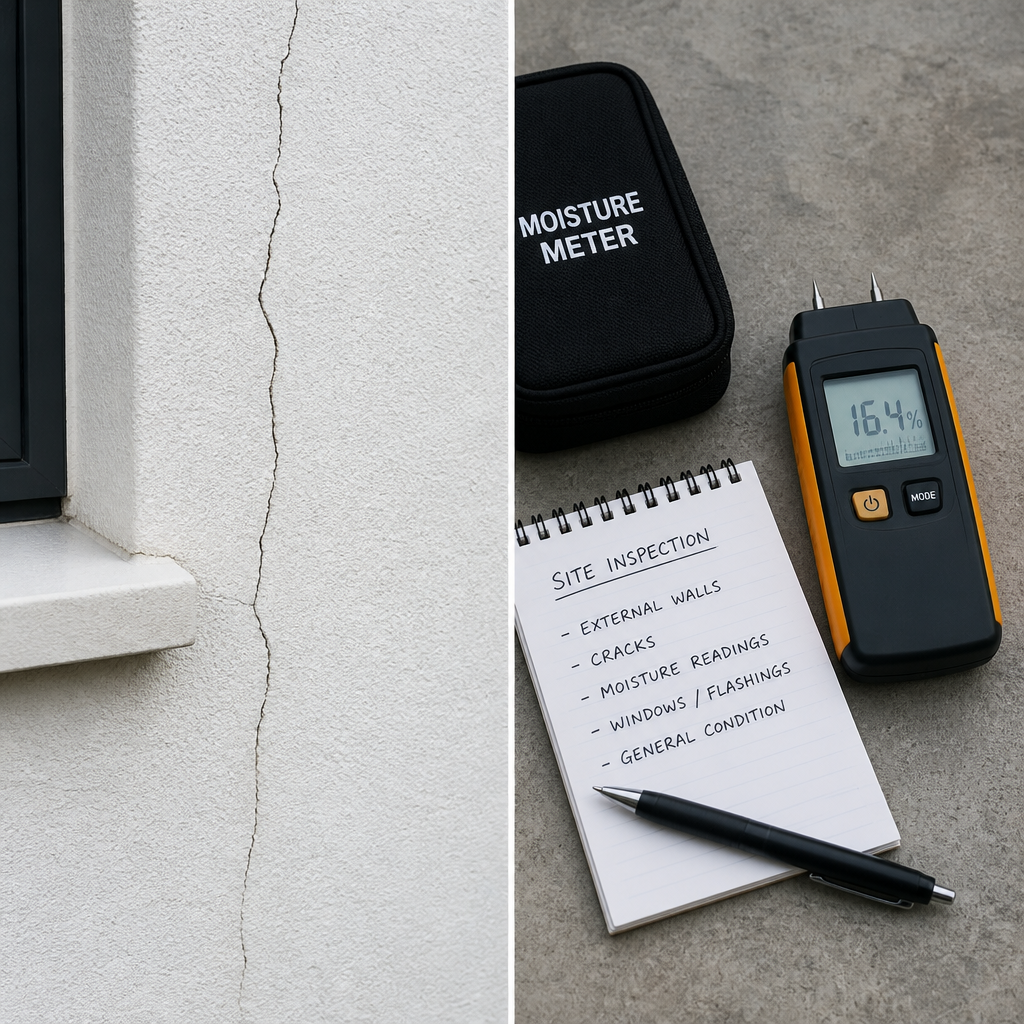
Not every imperfection qualifies as a defect. Sellers are entitled to deliver a property showing reasonable wear and tear relative to its age. A scuff on a skirting board in a ten-year-old house is different from a crack in a load-bearing wall or a bathroom that floods because the waterproofing membrane was never installed. In new home construction, the tolerance for imperfection is far lower. A brand-new house should be built to code, full stop.
In practice, the line between a cosmetic issue and a genuine defect is sometimes contested. This is exactly why a licensed building inspector’s report – not your own walk-through opinion – carries the weight needed to trigger a formal defect claim.
Queensland Building Defects Rights: The Legal Framework
Queensland buyers have multiple layers of protection when it comes to building defects. Understanding which layer applies to your situation determines what action you should take first.
The Queensland Home Warranty Scheme
For newly built residential homes, the Queensland Home Warranty Scheme (administered through the Queensland Building and Construction Commission, or QBCC) provides statutory insurance against defective building work. This scheme covers structural defects for a defined period and non-structural defects for a shorter period. The warranty attaches to the property, meaning it transfers to subsequent owners during the coverage window.
If your licensed builder refuses to rectify defective work, the QBCC dispute resolution process is your first formal escalation point. Filing a complaint triggers an investigation, and if the defect is confirmed, the builder is required to fix it. If the builder is unable to (because they are insolvent or have had their licence cancelled), the Home Warranty Scheme insurance can cover the cost of rectification up to the applicable limit.
The Property Law Act 2023 and seller disclosure obligations
As of 1 August 2025, Queensland’s Property Law Act 2023 significantly strengthened seller disclosure requirements. Sellers must provide a complete Form 2 Seller Disclosure Statement before the buyer signs a contract. This must include prescribed certificates, searches, and any material information about the property’s condition. If a seller fails to disclose something material – a structural repair, a council notice, an unapproved structure – the buyer may have legal recourse even after settlement has occurred.
Discovering hidden problems in a property after settlement can be stressful, costly, and legally complex. Whether it is an unapproved structure, outstanding body corporate levies, flooding risks, or an undisclosed encumbrance, buyers in Queensland have specific rights – and sellers face real consequences.
The remedies available to buyers who discover non-disclosed issues after settlement include compensation claims (damages), breach of contract claims, and in cases where the seller actively concealed the issue, misrepresentation claims under the Australian Consumer Law. The threshold for a successful claim is higher once settlement has occurred, which is why acting quickly and with documented evidence is not optional – it is your legal strategy.
Pro tip: If you suspect a seller concealed a defect rather than simply overlooked it, that distinction matters legally. Concealment can support a claim under Australian Consumer Law, which operates independently of your contract and carries its own remedies. Talk to a Queensland solicitor, not just your conveyancer, if you are in that situation.
The Most Common Defects Found After Settlement
In new home construction across South East Queensland, certain defect types appear repeatedly in post-settlement inspections. Knowing what to look for is the first step toward knowing whether you have a legitimate claim.
Structural and waterproofing defects
Cracking in structural elements, movement in slabs, and waterproofing failures are the most serious category. Waterproofing defects are particularly insidious because they often do not manifest until after the first heavy rainfall – which in Brisbane and the Gold Coast can come weeks or months after you move in. By then, you are looking at damaged flooring, wet wall cavities, and potential mould growth.
These defects are almost always the builder’s responsibility under the Home Warranty Scheme, but the clock is running from the date of practical completion. A photo-enhanced inspection report that records the defect and dates it accurately is what you will need to file a QBCC complaint successfully.
Missing or removed fixtures and appliances
For established property purchases, a common post-settlement dispute involves fixtures and fittings listed in the contract that are missing at handover – dishwashers, light fittings, ceiling fans, or even letterboxes. Once settlement occurs and you have not flagged the absence, proving the item was part of the contract becomes your burden. The final inspection is the time to catch this, not after you have signed off.
Unapproved structures and building compliance failures
Carports, pergolas, patios, and internal renovations completed without council approval are one of the most common undisclosed issues in Queensland. Under the 2025 disclosure regime, sellers are required to disclose relevant compliance information. If they do not, and you inherit a structure that requires demolition or retrospective approval (with associated costs), you may have a claim against the seller. However, proving what the seller knew and when they knew it is where these claims get complicated.
Pre-Settlement Inspection: Your Last Best Defence
A pre-settlement inspection is the single most effective tool a buyer has to catch defects before ownership transfers. It is the moment when you can inspect the property in its final state, compare it to what was agreed in the contract, and formally raise issues before settlement proceeds.
For new builds, the pre-settlement inspection is typically called a practical completion inspection or pre-handover inspection. This is not a casual walk-through. It is a systematic, trade-by-trade assessment of the property against the building contract and the relevant Australian Standards. A licensed inspector checking new home construction in Brisbane or the Gold Coast will work through carpentry, tiling, waterproofing, electrical, plumbing, rendering, painting, and external works – each to its applicable standard.
Why a professional inspector is not optional for new builds
Builders know their own properties. They know where the shortcuts were taken and where the subcontractor underdelivered. A buyer who does a DIY walk-through will miss a significant proportion of defects – not because they are not paying attention, but because they do not know what “acceptable” looks like under Australian Standards for, say, tile lippage tolerances or render crack width.
A licensed inspector will produce a report that not only identifies defects but assigns them to the responsible trade. This matters enormously when you are asking a builder to rectify: a defect listed as “painting – skirting boards in main bedroom not to standard” is actionable. “Some paintwork looks off” is not.
GoInspect’s same-day photo-enhanced reports are designed specifically for this moment. Each defect is photographed, described, located in the property, and attributed to the relevant trade – giving the builder (and if necessary, the QBCC) exactly the documentation needed to act. If you are approaching practical completion on a new home in Brisbane, Gold Coast, Logan, Ipswich, or Redland Bay, this is the point at which a professional inspection pays for itself many times over.
Pro tip: Never attend your pre-settlement inspection without the original contract and any variation documents. The inspector needs to know what was promised, not just what is visible. Defects are defined against the contract, not against general expectations.
How to Document and Report Defects Effectively
Whether you discover a defect during the pre-settlement inspection or three weeks after you move in, how you document and report it determines the strength of your position. This is not about being difficult – it is about being taken seriously.
Immediate steps when a defect is discovered
Photograph every defect with a timestamped camera (your phone’s standard camera will do). Take wide shots to establish context and close-up shots to show detail. If the defect is structural – cracking, movement, water ingress – photograph the full extent of the damage and note the date and weather conditions if relevant.
Write a defect notice in plain language and send it to the builder or seller in writing. Email is fine and creates an automatic timestamp and record. Do not rely on phone calls or informal conversations. The written notice is what triggers formal response obligations and starts the evidentiary paper trail.
Working with your inspection report
If you had a professional pre-settlement inspection carried out, the report is your primary tool. A good defect report from a licensed inspector does the heavy lifting: it frames each defect correctly, references the relevant standard, and makes it difficult for the builder to argue the issue is cosmetic or acceptable. Reports that include photos are significantly harder to dismiss than text-only lists.
When GoInspect produces a practical completion report for a new home, the output is structured so that each item can be sent directly to the responsible trade for rectification without needing to be reformatted. This matters because delays in rectification are usually caused by ambiguity – a builder’s project manager who receives a precise, photo-documented defect list has very little room to argue it away.
Escalating to the QBCC
If the builder acknowledges the defects but fails to rectify them within a reasonable timeframe, the next step is a formal complaint to the Queensland Building and Construction Commission. The QBCC requires evidence of the defect and evidence that you have already attempted to have the builder rectify it. This is why your written notices matter – they demonstrate you followed the correct process before escalating.
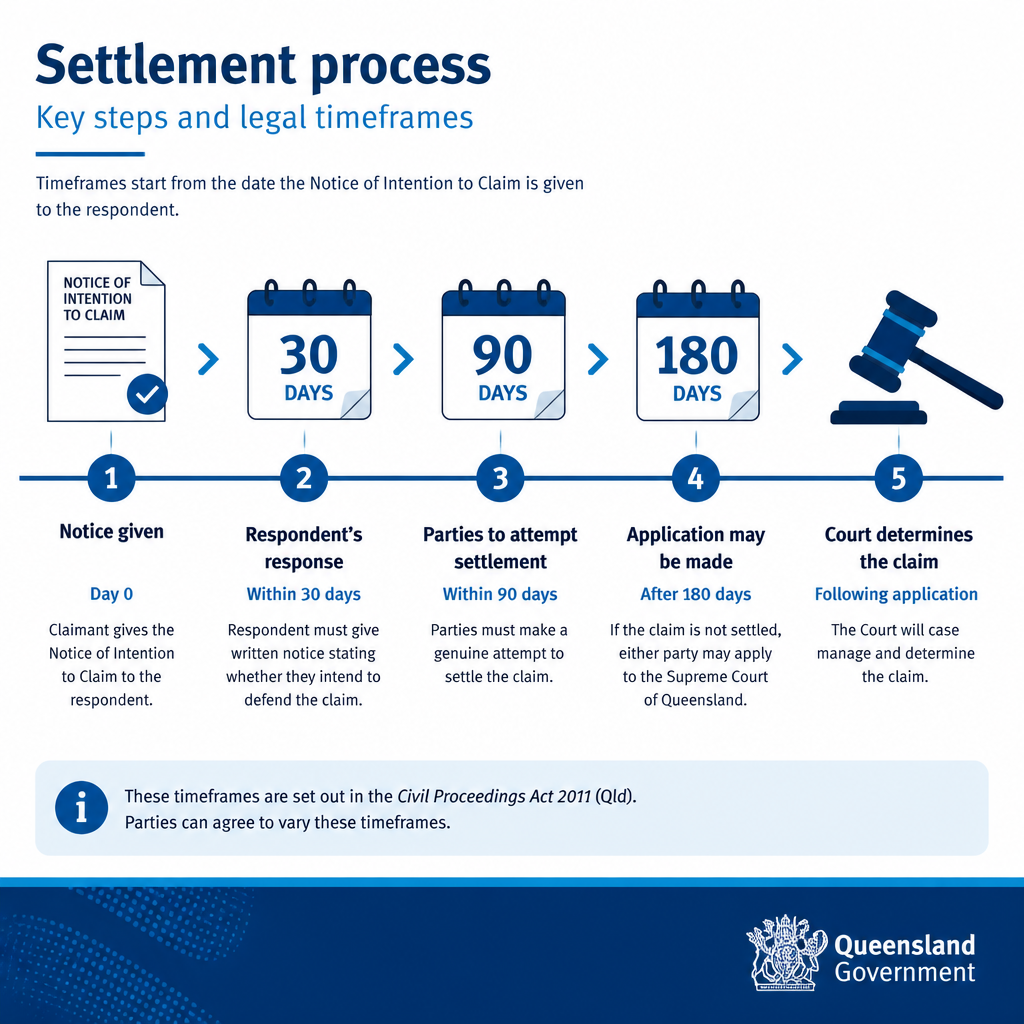
For disputes about undisclosed issues with an established property seller, the path runs through the Queensland Civil and Administrative Tribunal (QCAT) for smaller claims, or the District or Supreme Court for larger ones. These are not processes to navigate without legal advice.
Comparing Your Options When Defects Are Found After Settlement
Buyers who find defects after settlement have three primary paths forward, and the right one depends on the nature of the defect, whether it is a new build or established property, and how cooperative the other party is.
| Approach | Best Used For | Key Considerations |
|---|---|---|
| QBCC Complaint and Home Warranty Claim | Defective work in newly constructed homes built by a licensed Queensland builder | Requires evidence the defect is within the warranty period and attributable to the builder’s work. A professional inspection report significantly strengthens the complaint. Statutory timeframes apply. |
| Breach of Contract or Misrepresentation Claim Against Seller | Established property purchases where the seller failed to disclose a material defect or removed contracted fixtures | Evidence of the contractual obligation and the breach is essential. Under the Property Law Act 2023 (effective 1 August 2025), seller disclosure duties are more clearly defined. Legal advice is required. |
| Australian Consumer Law Complaint | Situations where the seller or builder engaged in deceptive conduct, including actively concealing a known defect | Higher threshold to prove, but does not depend solely on contract terms. Can be filed through the ACCC or pursued through the courts. Operates independently of real estate contract law. |
A common mistake buyers make is defaulting immediately to legal action when a direct, documented approach to the builder or seller would achieve rectification faster and at no cost. Start with the evidence. Make the formal written request. Give a reasonable deadline. Escalate only if that fails. Builders with QBCC licences to protect respond to documented defect claims – losing a licence is a far worse outcome for them than fixing a defective tile installation.
Frequently Asked Questions
How long do I have to claim for defects in a newly built Queensland home?
The Queensland Home Warranty Scheme covers structural defects for a period of years from practical completion, and non-structural defects for a shorter period. Exact timeframes are defined by QBCC regulation and can change, so verify the current periods directly with the QBCC or a licensed inspector. The key point is that these windows are finite – the sooner you have a professional inspection carried out, the more time you have to raise and resolve defects within the warranty period.
Can I claim against a seller who failed to disclose a defect after I have already settled?
Yes, in certain circumstances. Under Queensland’s Property Law Act 2023 (which fully commenced on 1 August 2025), sellers are required to make accurate and complete disclosures before contracts are signed. If a seller failed to disclose something they were required to disclose, and that failure caused you financial loss, you may have a claim for compensation, breach of contract, or misrepresentation even after settlement. The strength of that claim depends on the nature of the defect, the evidence you have, and whether the omission was material. Get legal advice promptly – time matters.
What is a practical completion inspection and why does it matter?
A practical completion inspection (also called a pre-handover or pre-settlement inspection) is a formal assessment of a newly constructed home carried out by a licensed building inspector immediately before handover. It compares the finished property against the building contract, relevant Australian Standards, and the Building Code of Australia. Defects identified at this stage are the builder’s responsibility to rectify before you take ownership. Missing this inspection means any defects discovered after settlement are harder and slower to resolve.
What should I do if I find a defect the day after I move in?
Photograph the defect immediately with a timestamp. Write a formal defect notice to the builder (for new builds) or to the seller’s solicitor (for established property purchases) and send it via email the same day. Do not attempt repairs yourself unless the defect poses an immediate safety risk, as self-repair can complicate your ability to claim. If the defect is in a new build, contact your building inspector to confirm whether it falls within the warranty scope before making any formal QBCC complaint.
Does having a pre-settlement inspection report actually make a difference to a defect claim?
It makes an enormous difference. A report produced by a licensed inspector before settlement is contemporaneous evidence that the defect existed at handover and was not caused by your use of the property after moving in. Builders routinely challenge post-settlement defect claims by arguing the damage occurred after settlement. A professional inspection report with photographs, dates, and trade attribution closes that argument before it starts. Reports that also reference the relevant Australian Standard for each defect are the strongest possible starting point for a QBCC complaint or a direct rectification request.
Is a GoInspect pre-handover inspection the same as a standard building inspection?
A GoInspect pre-handover inspection is specifically designed for new home construction – it is more granular than a standard pre-purchase inspection on an established property. Instead of assessing general condition, the inspector checks each trade’s work against the applicable Australian Standard and the building contract. Each defect is photographed, described, located, and attributed to the responsible trade. The same-day report format means you have actionable documentation before you attend the formal handover meeting with your builder – which is the point at which you have maximum leverage to require rectification before accepting the property.
Have you dealt with defects after settlement on a Queensland property? Share what worked – or what did not – so others can learn from the experience.