
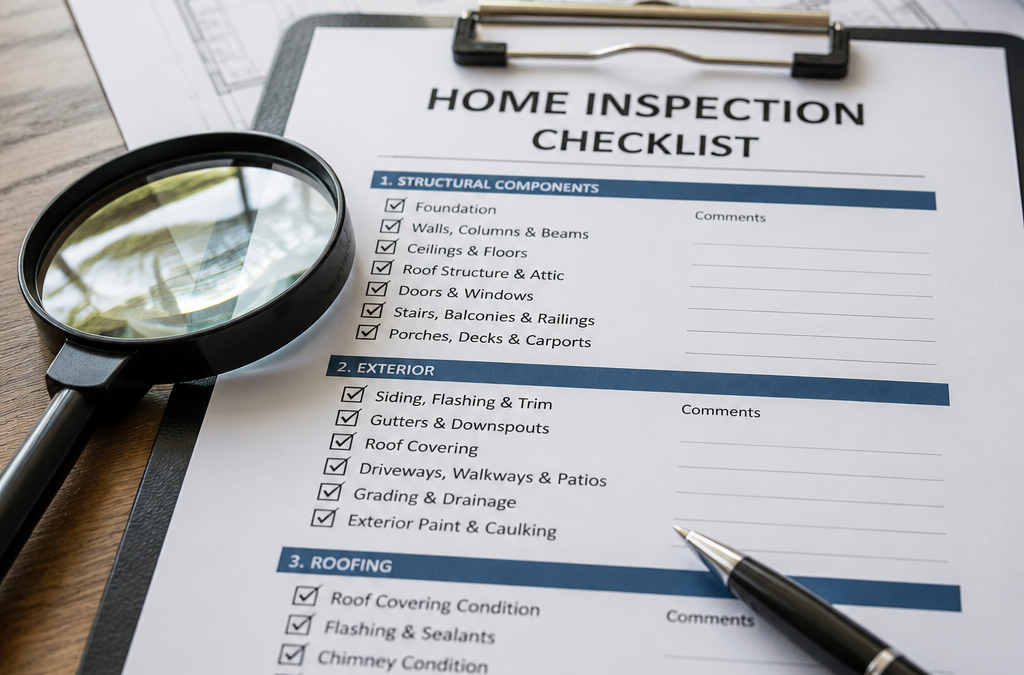
Your builder has just sent that long-awaited message: the home is ready, practical completion has been reached, and it is time to arrange handover. What sometimes follows is a subtle form of pressure to move quickly, skip any independent assessment, and just sign off. It might be framed as “we’ve already done our quality checks” or “the certifier has been through.” If you accept the keys without commissioning an independent pre-handover inspection, you are handing over your legal leverage at the exact moment it matters most. This article explains precisely why that pressure exists, what builders stand to gain from it, and the specific pre-handover inspection tips that protect your investment before you sign anything.
Table of Contents
- Why Builders Discourage Independent Inspections
- What a Pre-Handover Inspection Actually Covers
- The Legal Reality of Defects After Handover
- Pre-Handover Inspection Tips That Change the Outcome
- DIY vs. Builder-Arranged vs. Independent Inspector
- What Happens When Defects Are Found
- Frequently Asked Questions
- References
Why Builders Discourage Independent Inspections
Not every builder actively discourages independent inspections. Quality builders typically welcome them because a clean independent report protects both parties from disputes later. The pressure to skip tends to come from builders who know their workmanship will not hold up to scrutiny, or from companies operating under tight margins and tighter schedules who would rather move on to the next job than rectify a defect list.
The most common tactics are subtle. A builder might tell you the certifier has already signed off, implying further inspection is redundant. Certification and an independent handover inspection are entirely different things. A building certifier checks compliance with approved plans and the National Construction Code at mandated stages. An independent inspector examines workmanship quality, cosmetic completeness, fixture function, and the full finish of every room, none of which a certifier is tasked with assessing in detail.
Another common approach is urgency. Builders may schedule handover at short notice and imply the date cannot be moved, leaving you no time to book an inspector. In practice, your contract typically requires the builder to give you reasonable notice before the handover meeting, and you are within your rights to arrange an independent inspection before attending.
Quality builders welcome independent verification because it protects them from disputes later. Builders who consistently refuse inspections or create barriers to them are far more likely to be concealing problems than protecting a legitimate schedule.
A third tactic is the walkthrough offer, where a site supervisor guides you through the home themselves and asks you to sign off on the spot. A supervised walkthrough with the builder present is not the same as an independent assessment. You are unlikely to feel comfortable querying every ceiling join or checking every window operation when the person who built it is standing next to you.
What a Pre-Handover Inspection Actually Covers
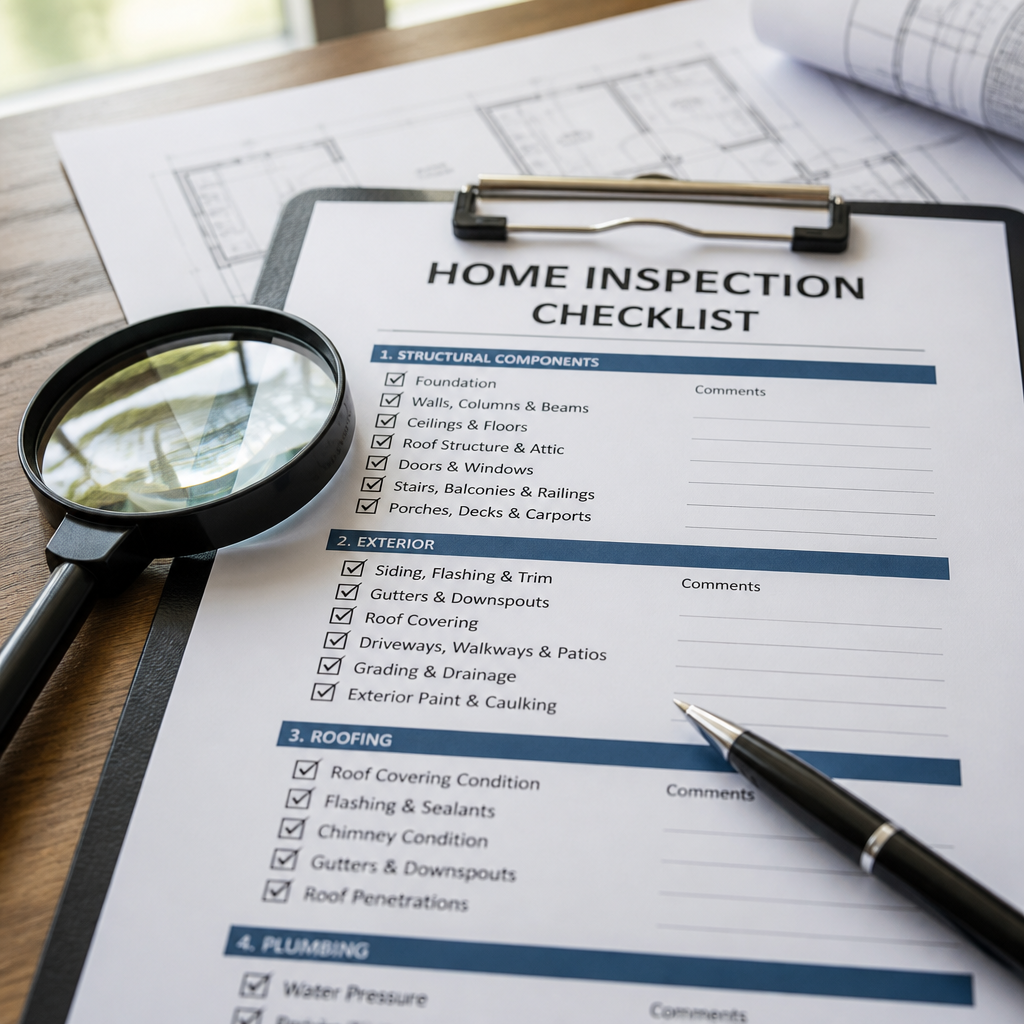
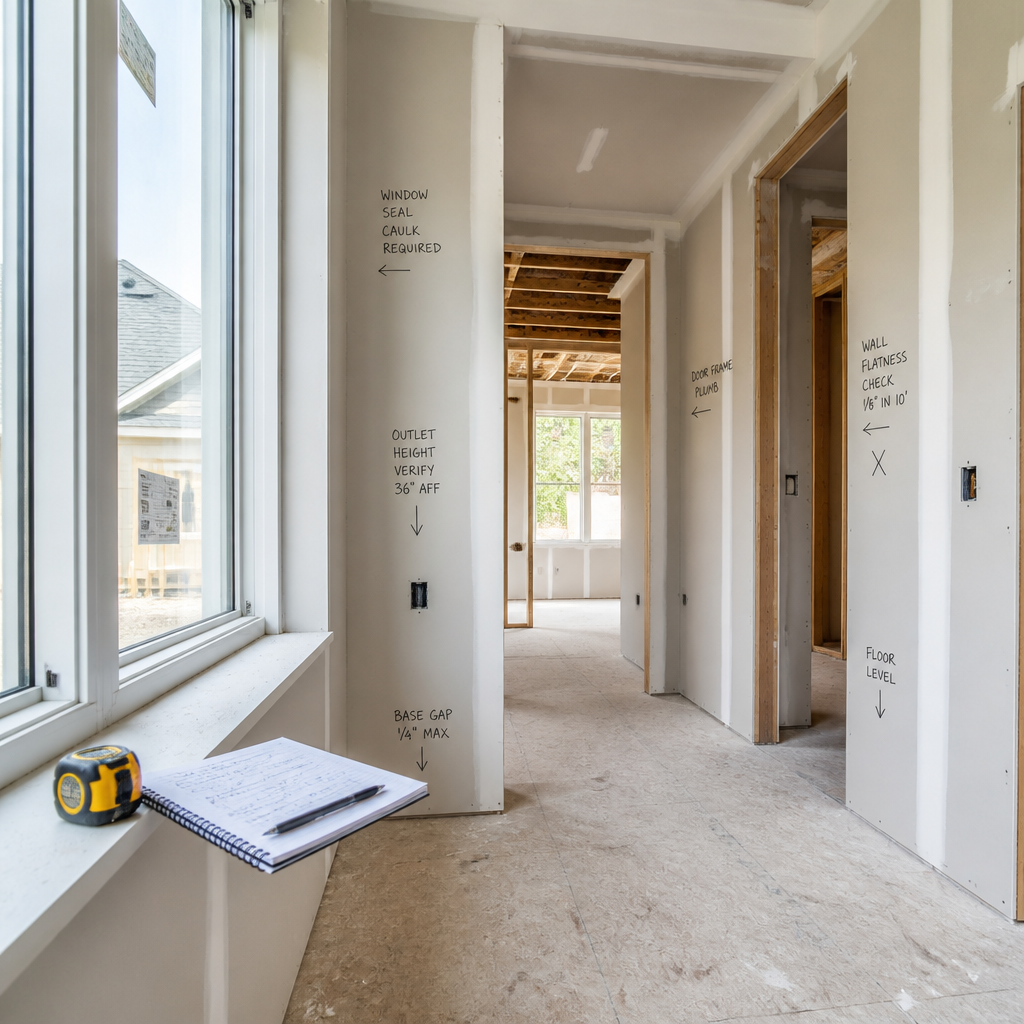
A thorough pre-handover inspection is not a quick walk through with a checklist. It is a systematic assessment that moves through every accessible area of the property in a defined sequence, checking hundreds of individual items against your contract, the approved plans, and the relevant building standards.
Structural and External Elements
Inspectors check the slab, walls, roof frame, and load-bearing components for cracking, movement, or workmanship defects. External brickwork or cladding is examined for cracking, gaps, missing mortar, and incorrect installation. Roof tiles or sheeting are assessed for displacement, damage, and incorrect lapping. Drainage and stormwater fall are checked to confirm water will not pond against the structure.
Interior Finishes and Wet Areas
Interior issues are among the most commonly found defects at practical completion. These include cracking in walls and ceilings, uneven paint coverage, drips and missed areas, tiling defects such as lippage and incomplete grouting, poorly fitted cabinetry, misaligned doors, and unfinished plasterwork. Wet areas receive particular attention because waterproofing failures are expensive to rectify once tiling is laid, and they are not visible to the naked eye without a moisture meter.
Fixtures, Fittings, and Services
Every fixture and fitting is operated during the inspection. Taps, toilets, showers, fans, rangehoods, and air conditioning units are all tested. Electrical switchboards, power points, and light fittings are checked. This operational testing frequently turns up items that look complete but do not work, a category of defect that is easy for a builder to miss and easy for an independent inspector to find.
Pro tip: Bring a copy of your building contract and plans to the inspection so your inspector can cross-reference exactly what was agreed, including agreed finishes, fixtures, and any variations you paid for. Deviations from contract are as important to document as workmanship defects.
The Legal Reality of Defects After Handover
Queensland law provides statutory warranty protections for residential building work through the Queensland Building and Construction Commission. Under the Queensland Home Warranty Scheme, structural defects are generally covered for six years and six months from the date of contract, and non-structural defects are covered for a significantly shorter period. The exact duration matters less than understanding when the clock starts and how much harder your position becomes once you have accepted the property.
Before handover, every defect identified is the builder’s clear, undisputed responsibility to fix. After handover, you must establish that the defect existed at the time of completion, that it was not caused by your use of the property, and that the builder is liable for it. Without an independent inspection report creating a baseline record of the property’s condition at practical completion, that becomes a much harder case to make.
Builders understand this shift. It is one of the main reasons handover is treated as a hard deadline. Once you sign and take the keys, the dynamic changes fundamentally. Rectification that would have been completed as a matter of course before handover can become a prolonged dispute involving formal complaints, QBCC involvement, and potentially tribunal proceedings.
Pro tip: Never attend the handover meeting before your independent inspection is complete. The moment you sign the handover documentation, your pre-handover leverage is gone. Request the inspection at least 48 hours before any scheduled handover meeting, and do not let schedule pressure push you into signing without it.
Pre-Handover Inspection Tips That Change the Outcome
Most of the difference between an effective inspection and a missed opportunity comes down to timing, documentation quality, and how defects are formally reported.
Book as Soon as You Receive the Practical Completion Notice
The correct timing is after the builder has notified you that practical completion has been reached, but before you attend the handover meeting and accept the keys. Do not wait until the morning of handover. Most reputable inspectors require at least 48 hours notice, and the best ones book out quickly, particularly in active construction markets across Brisbane, the Gold Coast, Logan, Ipswich, and Redland Bay.
Insist on Photo-Enhanced Defect Reports
A plain text list of defects is almost useless in a rectification dispute. What you need is a report that documents each defect with photographs, assigns it to the relevant trade, and states clearly what the standard should be. This kind of report gives the builder no room to claim the defect was not present at handover, and it gives subcontractors no room to dispute which trade is responsible for the fix. GoInspect’s reports are built specifically for this purpose, with same-day delivery and trade-specific defect assignment that removes ambiguity from the rectification process.
Do Not Conflate the Defect List with a Signed Sign-Off
A common mistake is attending the handover walkthrough, agreeing verbally on a list of items to fix, and then signing the handover documents. The builder now has your legal acceptance of the property and only a verbal commitment to rectify. Any defect list should be documented formally, signed by both parties, and not confused with your acceptance of the handover. Your inspector’s written report is the foundation of that documentation.
Cover Common Property if Buying in a Development
For off-the-plan apartment purchases in Brisbane’s high-rise market, your inspection must cover both your individual lot and any common property defects that directly affect your unit or its value. Lifts, lobbies, car parks, and external facades are often where the most expensive defects hide, and they are frequently overlooked when buyers focus only on their own apartment.
DIY vs. Builder-Arranged vs. Independent Inspector
There are effectively three ways a handover inspection can be conducted. Understanding the difference explains why only one of them actually protects your interests.
| Inspection Type | Who Conducts It | Key Limitations |
|---|---|---|
| DIY Owner Walkthrough | The buyer or investor, without specialist equipment or trade knowledge | Misses structural issues, wet area waterproofing failures, and NCC compliance gaps that require professional equipment and expertise to identify. No legal weight without formal documentation. |
| Builder-Arranged or Supervised Inspection | The builder’s own site supervisor or a third party arranged by the builder | The builder has a direct financial interest in minimising the defect list. A supervisor cannot be independent and partisan at the same time. Reports may not cover all areas or assign trade responsibility clearly. |
| Independent Licensed Inspector | A fully licensed inspector with no relationship to the builder or developer | Higher upfront cost, but the only option that produces a legally defensible, unbiased defect record. Identifies defects a non-professional would miss, particularly structural issues, waterproofing, and NCC compliance. |
The upfront cost of an independent inspection starting from $550 including GST is a fraction of the cost of a single missed waterproofing defect, let alone a structural issue discovered post-settlement. The economics of skipping the inspection do not hold up to any scrutiny.
What Happens When Defects Are Found
Finding defects is not a disaster. It is the expected outcome of a thorough inspection on a new build. New homes routinely carry dozens of items at practical completion that need attention, ranging from minor cosmetic issues to more serious workmanship problems. The inspection is not there to cause conflict. It is there to create a documented record so the right party fixes the right things before you take legal possession.
Once your inspector delivers the report, typically on the same day for a well-run service, you present the defect list to the builder before signing any handover documents. The builder is contractually obligated to deliver the property in accordance with the agreed plans, specifications, and relevant building codes. Any departures from those standards are the builder’s responsibility to rectify.
In practice, most builders will address the defects listed in a clear, photo-documented report. The specificity of the documentation removes the room for dispute. A report that says “paint defects noted in bedroom two” is far weaker than a report with photographs showing exactly which wall, exactly what the defect looks like, and which trade is responsible for fixing it. That specificity is what separates a report that gets action from one that gets ignored.
For buyers in Brisbane, the Gold Coast, Logan, Ipswich, and Redland Bay, GoInspect’s pre-handover inspections are conducted by fully licensed inspectors with customised reporting for both house-and-land packages and high-rise developments. The reports assign every defect to the responsible trade and are delivered the same day, so you go into your handover meeting with a complete, actionable record rather than a vague list of concerns.
If a builder pushes back on a defect identified in an independent report, that report becomes your evidence for a formal QBCC complaint or, if necessary, escalation through the tribunal system. Without it, you are relying on memory and goodwill. With it, you have a timestamped, photo-documented baseline that was created before you accepted the property. That is an entirely different legal position.
Frequently Asked Questions
Can a builder legally refuse to let me bring an independent inspector?
A builder should not refuse a reasonable independent inspection request. In Queensland, you have the right to arrange your own assessment before accepting the property. A builder who creates consistent barriers to independent inspection raises legitimate questions about what they are trying to conceal. If you encounter resistance, document it in writing and seek advice from the QBCC if needed.
What is the difference between a certifier sign-off and a pre-handover inspection?
A building certifier checks compliance with approved plans and the National Construction Code at mandated stages of construction. They are not assessing the quality of finishes, the function of fixtures, cosmetic workmanship, or every detail of your individual contract. An independent pre-handover inspection covers exactly those things. The two assessments serve entirely different purposes and one does not replace the other.
When is the right time to book a pre-handover inspection?
Book as soon as your builder notifies you of practical completion and before you attend any handover meeting. Most inspectors need at least 48 hours notice. Do not book on the same day as your scheduled handover meeting. If the builder’s handover timeline does not allow for an independent inspection, push back on the timeline, not on the inspection.
What defects are most commonly found in new homes in Brisbane and South East Queensland?
The most common categories include cracking in walls and ceilings, paintwork defects such as uneven coverage and drips, tiling issues including lippage and incomplete grouting, poorly fitted cabinetry, misaligned doors and windows, waterproofing concerns in wet areas, and incomplete or non-functional fixtures and fittings. Structural issues are less common but carry the most significant consequences and are particularly important to identify before handover.
Does the Queensland Home Warranty Scheme cover all defects in my new home?
The Queensland Home Warranty Scheme covers structural defects for six years and six months from the date of contract, and non-structural defects for a significantly shorter period. It does not cover all building work, and many apartment buildings over three storeys fall outside the scheme. Even where warranty cover applies, demonstrating that a defect originated at construction is significantly harder without an independent pre-handover inspection report as a baseline record.
How much does a pre-handover inspection cost and is it worth it?
Independent pre-handover inspections for new homes in Brisbane and South East Queensland start from around $550 including GST depending on the property type and size. That cost is modest relative to a single missed defect requiring post-settlement rectification, which can run into thousands of dollars and weeks of dispute. For investment properties, the calculation is even clearer: defects that pass undetected at handover affect both capital value and tenancy readiness.
What should a good pre-handover inspection report include?
A useful pre-handover inspection report documents every defect with photographs, assigns it to the relevant trade responsible for the fix, cross-references it against your building contract and approved plans, and is delivered promptly so you can act on it before the handover meeting. A plain text list without photographs has limited value in a rectification dispute. Trade-specific assignment removes the ambiguity that allows builders and subcontractors to defer responsibility between themselves.
If you have been through a pre-handover inspection recently, whether the process worked smoothly or you ran into resistance from your builder, share what happened in the comments below.
We would love your feedback and any insights you would share with others. What perspective would you add?
References
- Queensland Building and Construction Commission guide to practical completion inspections and defect documentation
- Queensland Home Warranty Scheme explained: structural and non-structural defect coverage periods
- What to do when a builder refuses an independent inspector at construction stages in Australia
- The legal aspects of pre-handover inspections for new home buyers in Australia