
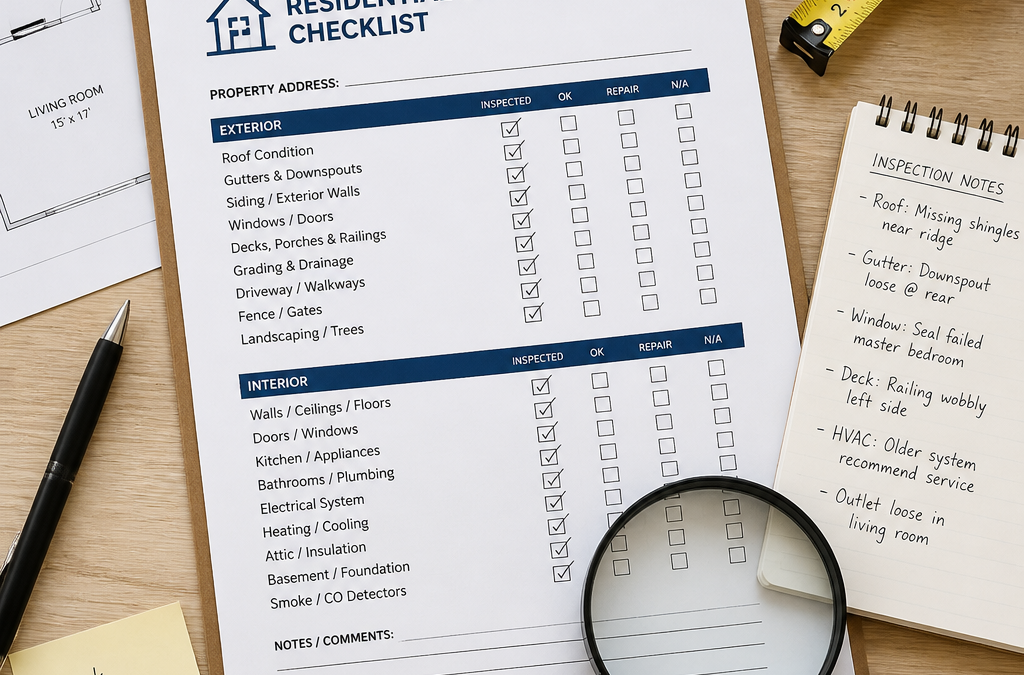
You have spent months watching your new home take shape, and now your builder says it is ready for handover. Before you sign anything or hand over that final payment, there is one step that too many Brisbane homebuyers skip – and it costs them dearly. A pre-handover inspection in Brisbane is your single best opportunity to document every defect, every unfinished item, and every deviation from your contract before legal responsibility shifts and rectification becomes a negotiation. Builders are not infallible, trades are rushed, and new homes routinely carry dozens of defects at completion. Knowing what to expect from this inspection, and who should conduct it, changes the outcome entirely.
Table of Contents
- Quick Takeaways
- What Is a Pre-Handover Inspection (and What Does It Actually Cover)?
- The Most Common Defects Found in Brisbane New Home Inspections
- What Happens During the Inspection, Step by Step
- How the Handover Inspection Report Works – and Why Photo Evidence Matters
- Comparison: DIY Walkthrough vs. Builder-Arranged vs. Independent Inspection
- Your Rights Under Queensland Law Before and After Handover
- When to Book Your Pre-Handover Inspection in Brisbane
- Frequently Asked Questions
- References
Quick Takeaways
| Key Insight | Explanation |
|---|---|
| Always use an independent inspector | An inspector engaged by your builder has a conflict of interest. An independent pre-handover inspector works for you alone and reports honestly on defects that may otherwise be minimised or overlooked. |
| Book before the final payment | Once you sign off and pay, your negotiating position weakens significantly. The inspection must happen before the final progress payment is made, not after you receive the keys. |
| Photo-documented reports carry more weight | A written list of defects is easy to dispute. A report with timestamped photos, defect locations, and trade responsibility assigned is far harder for a builder to dismiss or delay acting on. |
| Common defects are rarely structural, but still costly | Most issues found at handover in Brisbane new builds involve paint, tiling, plumbing fixtures, doors and windows, and incomplete work – items that are cheap to fix before handover but expensive to chase afterward. |
| Queensland law gives you a 12-month defect liability period | Your builder is legally required to rectify defects identified within 12 months of practical completion. But getting them to act is far easier when defects are formally documented at handover, not reported informally later. |
| Practical completion does not mean finished | Under Queensland building contracts, practical completion can be called with minor defects still outstanding. This is normal – but it does not mean you accept those defects. The defects list created at handover locks the builder in. |
| Same-day reporting is a material advantage | If your inspector can deliver a same-day report, you can respond to your builder immediately while the inspection is fresh and before any verbal discussions muddy the record. |
What Is a Pre-Handover Inspection (and What Does It Actually Cover)?
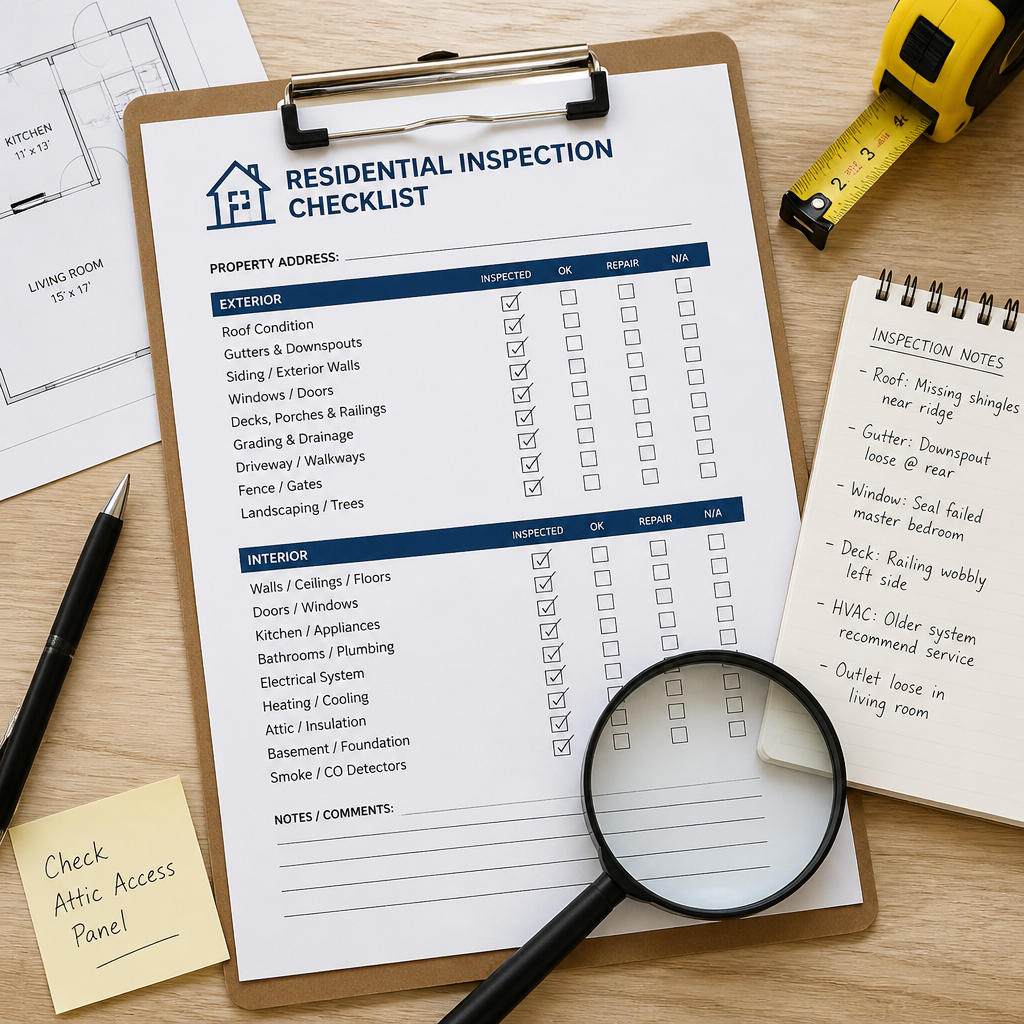
A pre-handover inspection, also called a practical completion inspection (PCI), is a formal assessment of your newly constructed home conducted before you accept handover from the builder. It is not a general building and pest inspection – it is specifically focused on construction quality, workmanship standards, completeness of work, and compliance with your building contract and applicable Australian Standards.
In Queensland, the standard position under residential building contracts is that the builder notifies you when the project is approaching practical completion, typically providing at least five days’ written notice before the handover inspection date. This is your window to bring in a licensed, independent inspector to assess the property thoroughly before you agree that the build is complete.
A comprehensive pre-handover inspection covers the following areas in a well-constructed Brisbane new home:
- Structural elements: slab, walls, roof frame, and load-bearing components checked for cracking, movement, or construction defects
- Interior finishes: paintwork, plasterwork, tiling, cabinetry, benchtops, flooring, doors, and windows reviewed for poor workmanship, damage, and incomplete items
- Electrical installations: switches, power points, light fittings, and safety switches tested for correct function and code compliance
- Plumbing: taps, toilets, showerheads, drainage, and hot water systems checked for leaks and correct installation
- Waterproofing: wet areas, including bathrooms, laundry, and balconies, assessed for correct membrane installation and caulking
- External works: driveway, fencing, landscaping, and drainage reviewed against contract scope
- Compliance: confirmation that work meets the National Construction Code (NCC), Australian Standards, and QBCC Standards and Tolerances
For Brisbane homeowners building in high-growth corridors like Logan, Ipswich, and Redland Bay, where build volumes are high and trades are stretched thin, the practical completion inspection is not a formality. It is the only systematic check that happens with you in control of the outcome.
The Most Common Defects Found in Brisbane New Home Inspections
After conducting pre-handover inspections across Brisbane, Gold Coast, Logan, Ipswich, and Redland Bay, a consistent picture of common defects emerges. They are rarely dramatic. They are almost always fixable before handover if documented properly. And they almost always multiply into expensive problems if you sign off without catching them.
Surface Finishes and Interior Workmanship
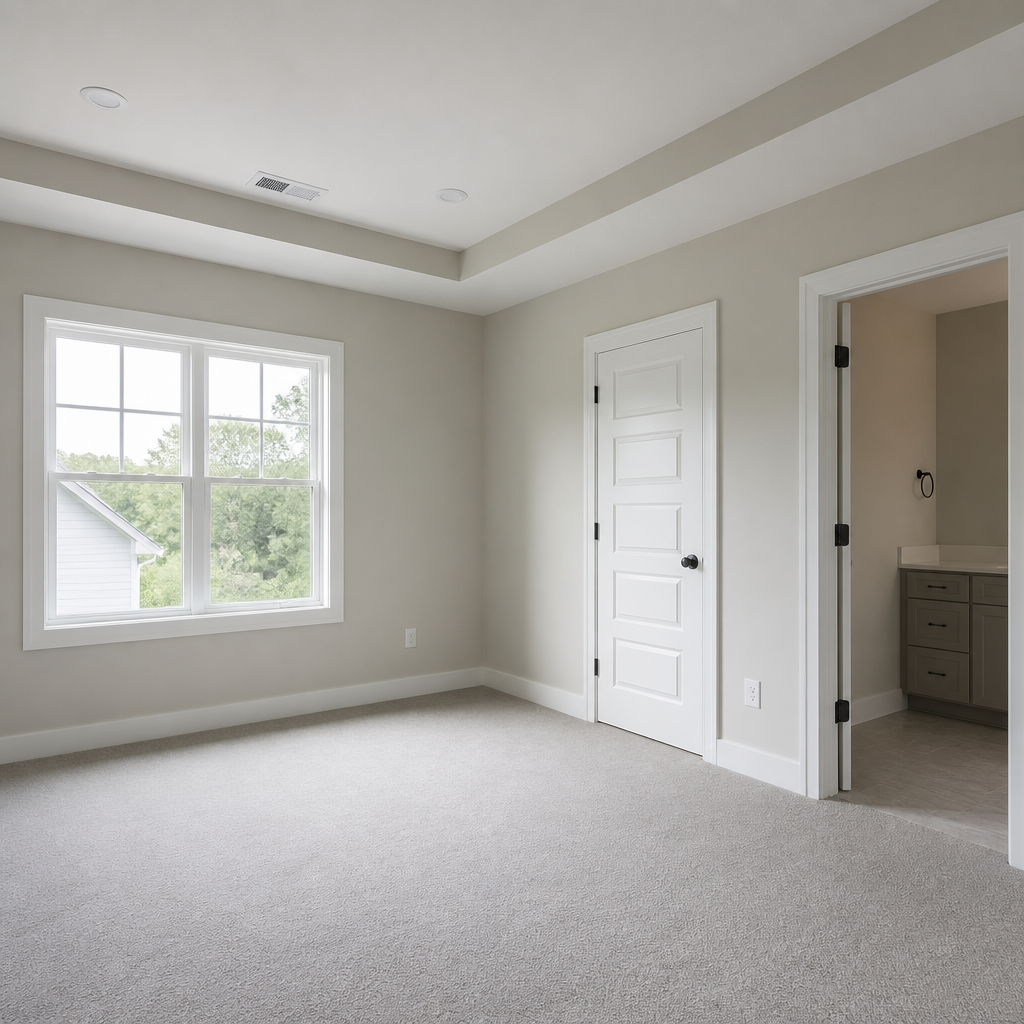
Poor paint finishes top the list in virtually every new home inspection. This includes patchy coverage, visible roller lines, paint on fixtures, and unpainted sections behind doors or in corners. Plasterwork defects – hollowness, cracking, and poorly finished joins – are common in volume builds where plastering crews work quickly across multiple sites. Tiling defects include lippage (uneven tile edges), missing grout, cracked tiles, and incorrect fall in wet areas.
Cabinetry and joinery issues are frequently found too. Doors that do not sit level, handles that are misaligned, drawers that stick, and shelving that is not secured properly all appear regularly in handover reports across South East Queensland.
Plumbing and Drainage
Leaking taps, showerheads, toilets, and pipe connections are common findings in newly completed properties. Incorrect fall in shower bases and drainage, and waterproofing that has not been correctly applied to wet area walls, are more serious finds – because if left unaddressed, they create water damage that becomes a much bigger claim later.
Doors, Windows, and External Works
Misaligned doors and windows are a consistent defect category. Sliding doors that do not sit on track properly, hinged doors with uneven gaps, and windows that do not lock correctly all appear across Brisbane builds. Externally, incomplete or poorly graded driveways, missing fencing panels, and landscaping items that were part of the contract scope but not completed are often flagged.
The most serious defects at handover – structural failures and waterproofing breakdowns – are far less common than paint and tiling issues. But when they do appear, they are the ones that get minimised in informal walkthroughs and documented properly only in a formal inspector’s report.
Pro tip: Ask your inspector specifically about waterproofing in all wet areas, including laundry and any balconies. Waterproofing failures are invisible at handover but can cause thousands of dollars in damage within the first year, and rectification becomes a dispute rather than a straightforward fix.
What Happens During the Inspection, Step by Step
Understanding the process helps you prepare properly and know what you should and should not do on inspection day. A professional pre-handover inspection of a standard Brisbane new home typically takes between two and four hours, depending on the size and complexity of the build.
Before the Inspector Arrives
Bring your building contract and plans to the inspection. This allows the inspector to check what was specified versus what has been delivered – finishes, fixtures, and fittings can vary significantly from what was agreed if no one checks. Make sure all power and water are connected, because an inspector cannot properly assess electrical fittings or plumbing without live services.
During the Inspection
The inspector conducts a systematic room-by-room and element-by-element assessment, working from the exterior in and from the roof down. Every defect is documented with photographs, location notes, and in a well-structured report, the trade responsible is identified so that the builder can direct rectification efficiently.
GoInspect inspectors, for example, mark minor paint and plaster defects with coloured tape directly on the surface, making it immediately obvious to the relevant trade what needs to be addressed without ambiguity. This is a practical detail that saves significant back-and-forth between the builder and their subcontractors.
After the Inspection
You receive your handover inspection report, ideally on the same day. This report is the document you provide to your builder to initiate the rectification process. Any defects on the list that the builder accepts responsibility for must be rectified before final handover, or in the case of minor items, within the agreed defect liability period. Do not sign off on practical completion until you are satisfied with how the defects list has been addressed.
Pro tip: Do not attend the inspection with the builder present as your only guide. A builder’s site supervisor has an interest in the inspection going smoothly and quickly. Your inspector works for you, and having both present can create pressure to move past issues that deserve closer attention.
How the Handover Inspection Report Works – and Why Photo Evidence Matters
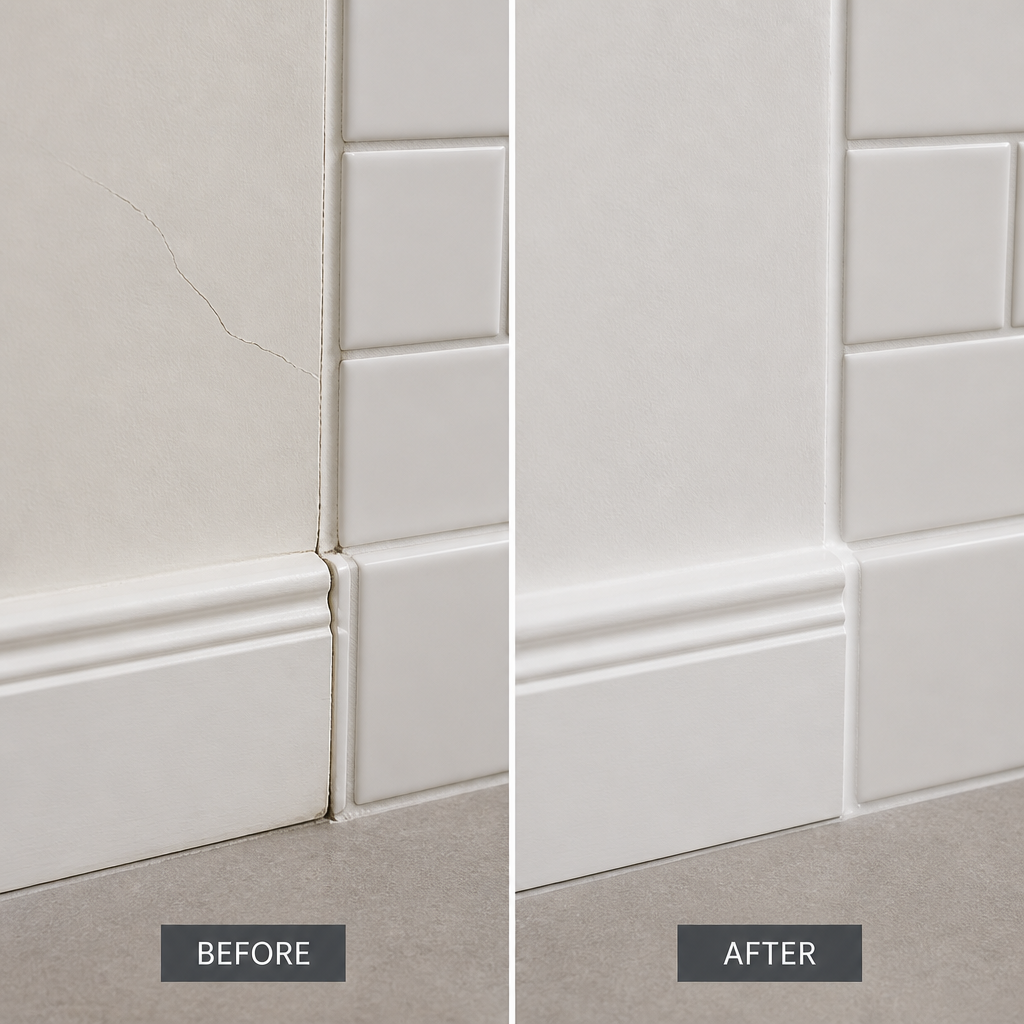
The inspection report is the tangible outcome of the entire process, and its quality determines how effective the inspection actually is. A basic defects list with text descriptions is the minimum. What actually drives results is a photo-enhanced report that shows each defect with clear images, location context, and where possible, the trade responsible for rectification.
When a builder receives a report with 47 defects, each photographed and each tagged to a specific trade – painter, tiler, plumber, or carpenter – the rectification process is direct. There is no debate about whether a defect exists, because it is photographed. There is no delay caused by the builder trying to work out which subcontractor needs to return, because the report assigns it.
This is the operational model that distinguishes professional inspection services from a basic walkthrough. For high-rise developments and larger housing projects, where defect volumes are higher and trade coordination is more complex, the quality of the report structure has a direct impact on how quickly and completely defects are resolved before settlement.
GoInspect produces same-day reports with this level of specificity, which is a meaningful operational advantage. When you have three to five days between inspection and the builder’s expected handover date, time matters. A report you receive three days later is a report you cannot act on in time.
Comparison: DIY Walkthrough vs. Builder-Arranged vs. Independent Inspection
Brisbane homeowners preparing for handover are often presented with different options for how to approach the practical completion inspection. The differences in outcome are significant.
| Approach | What It Involves | Key Limitation |
|---|---|---|
| DIY Walkthrough | The homeowner walks through the property with or without the builder’s site supervisor, noting issues they observe personally with no formal structure or technical training. | Most defects require trained eyes to spot. Paint issues, waterproofing failures, plumbing fall problems, and structural cracking are routinely missed by untrained observers. You also have no formal documentation leverage. |
| Builder-Arranged Inspection | The builder engages an inspector or supervises the inspection themselves. Some volume builders offer an internal quality check before handover. | The inspector is working for the entity that built the home and has a financial interest in handover proceeding. Defects are more likely to be characterised as acceptable variation than documented as rectifiable items. |
| Independent Licensed Inspection (GoInspect model) | A fully licensed inspector engaged directly by the homeowner conducts a systematic inspection, documents all defects with photographs, assigns trade responsibility, and delivers a same-day report the homeowner controls. | Adds a cost to the build process, starting from $550 including GST for GoInspect services. However, a single uncaught waterproofing defect or structural crack left unaddressed typically costs multiples of that to remediate post-settlement. |
The conclusion here is not subtle. An independent inspection is the only approach that gives you an unbiased, documented record of your property’s condition at handover. The cost of engaging GoInspect for a pre-handover inspection in Brisbane is a fixed, known quantity. The cost of undocumented defects discovered after settlement is not.
Your Rights Under Queensland Law Before and After Handover
Queensland homeowners have specific statutory protections that apply at and after handover, and knowing these rights changes how you approach the practical completion inspection.
The Defects Liability Period
Under Queensland law, your builder has a 12-month statutory defect liability period after you take possession of your new home during which they are required to fix any defective work you notify them about in writing. This is separate from, and in addition to, any defects list signed at handover. The 12 months runs from the date of practical completion.
This means that if you discover a defect after moving in, you are not immediately without recourse. However, defects that are formally documented at handover are far easier to enforce than issues raised informally six months later, when the builder has moved on to other projects and the specific subcontractor may no longer be engaged.
QBCC Oversight and Dispute Resolution
The Queensland Building and Construction Commission (QBCC) is the regulatory body that oversees building work quality and handles disputes between homeowners and builders. Disputes about defective or incomplete work at practical completion are one of the most common complaint categories the QBCC manages. Having a formal, independently produced pre-handover inspection report significantly strengthens your position if a dispute is lodged with the QBCC, because it establishes what was documented at handover and when.
The QBCC also expects homeowners to have made a reasonable attempt to resolve defect issues directly with the contractor before lodging a formal complaint. Your inspection report, combined with written communication referencing its findings, is the documented record of that attempt.
When Practical Completion Does Not Mean Everything Is Done
Under Queensland building contracts, practical completion can legally be called even when minor defects are still present. The builder notifies you when the project is approaching this stage, typically providing at least five days’ written notice before the inspection date. The defects list created and signed at that inspection is the mechanism that keeps the builder accountable for outstanding items. Signing off without a proper defects list eliminates that accountability entirely.
When to Book Your Pre-Handover Inspection in Brisbane
Timing is straightforward but easy to get wrong if you are not watching closely. You need to book your independent inspector as soon as your builder notifies you that the home is approaching practical completion – not on the day of the handover appointment itself.
The builder’s notification should come at least two to three weeks before the practical completion date, with formal written notice of at least five days before the inspection. Use that window to engage your inspector. GoInspect covers Brisbane, Gold Coast, Logan, Ipswich, and Redland Bay, so regardless of which South East Queensland corridor your build is in, the logistics are manageable.
A common mistake is waiting until the builder calls to confirm the handover meeting, then scrambling to arrange an inspection at the same time. At that point, inspector availability is uncertain, the timeframe is compressed, and the builder has already mentally closed out the job. Book your inspector as soon as you receive the first practical completion notification from your builder, not the formal final notice.
For investors and developers managing multiple properties or high-rise apartment projects, GoInspect also offers customised inspection programs that can coordinate reports across units in the same development. This is a material time-saving if you are settling multiple apartments in a single building within a short window.
Frequently Asked Questions
What is the difference between a pre-handover inspection and a practical completion inspection?
They refer to the same thing. A practical completion inspection (PCI) is the formal name used in Queensland building contracts for the final inspection conducted before you accept handover of your new home. A pre-handover inspection is the common term used by homeowners and inspectors for the same process. Both describe an independent assessment of your newly built home before you sign off and make the final progress payment to your builder.
Can I do the handover inspection myself instead of hiring an inspector?
You are legally entitled to attend and conduct your own walkthrough. In practice, doing so without professional training means you will miss defects that a licensed inspector would find. Most homeowners are not equipped to identify incorrect drainage fall in a shower base, inadequate waterproofing membrane coverage, or subtle structural cracking that distinguishes normal settling from a workmanship issue. The cost of a professional inspection is small relative to the defects it typically uncovers and the rectification leverage it creates.
How long does a pre-handover inspection take in Brisbane?
For a standard single-dwelling home in Brisbane, Ipswich, Logan, or the Gold Coast, expect between two and four hours for a thorough inspection. Larger homes, homes with complex layouts, or high-rise apartments where multiple units are being inspected simultaneously will take longer. The time required for a quality inspection is non-negotiable – an inspector who completes a four-bedroom home in 45 minutes has not done the job properly.
What happens if the builder refuses to fix defects identified in the inspection report?
Start by providing the builder with your formal inspection report in writing and requesting rectification in writing. If the builder does not respond or disputes the defects, you can lodge a complaint with the Queensland Building and Construction Commission (QBCC). The QBCC oversees building disputes and can require builders to rectify defective work. A formal, photo-documented inspection report from a licensed inspector significantly strengthens your QBCC complaint compared to a verbal claim or an informal defects list.
How much does a pre-handover inspection in Brisbane cost?
The cost varies depending on the size and type of the property. GoInspect’s pre-handover inspection service starts from $550 including GST for Brisbane, Gold Coast, Logan, Ipswich, and Redland Bay properties. This is a fixed, upfront cost that covers the full inspection and a same-day photo-enhanced report. The cost of a single undetected defect – particularly a waterproofing failure or incomplete structural work – typically runs to multiples of that figure in post-settlement remediation.
Do I need a pre-handover inspection if I am buying a new apartment rather than a house?
Yes. In some ways, apartment inspections are more important, because defects in wet areas of high-density buildings can affect multiple units and common areas. High-rise developments present specific challenges – trade coordination is more complex, defect volumes per unit are often higher, and the builder’s quality control across a large number of apartments is harder to maintain. GoInspect offers customised inspection programs for high-rise developments and housing projects, providing individual unit reports that developers and investors can use to manage defect rectification efficiently across an entire building.
Should I attend the pre-handover inspection with the inspector?
You are welcome to attend, and many homeowners find it valuable to walk through with the inspector so they can ask questions and understand the defects being documented. However, leave the inspection itself to the professional. Avoid inviting the builder’s site supervisor to the same inspection – this creates pressure to move through areas quickly and can make it harder for the inspector to do a thorough job. Review the report after the fact and then communicate formally with your builder in writing, referencing the report’s findings.
Have you recently been through a pre-handover inspection in Brisbane or South East Queensland? Share what you found – or what you wish you had known before signing off – in the comments below.
References
- QBCC guide to practical completion inspections and homeowner rights in Queensland
- Complete guide to defective building work and builder obligations in Queensland
- What a pre-handover construction inspection covers and what inspectors look for
- Common defects found at new home handover and builder responsibilities explained
- Understanding practical completion under Queensland building law and the defects liability period