
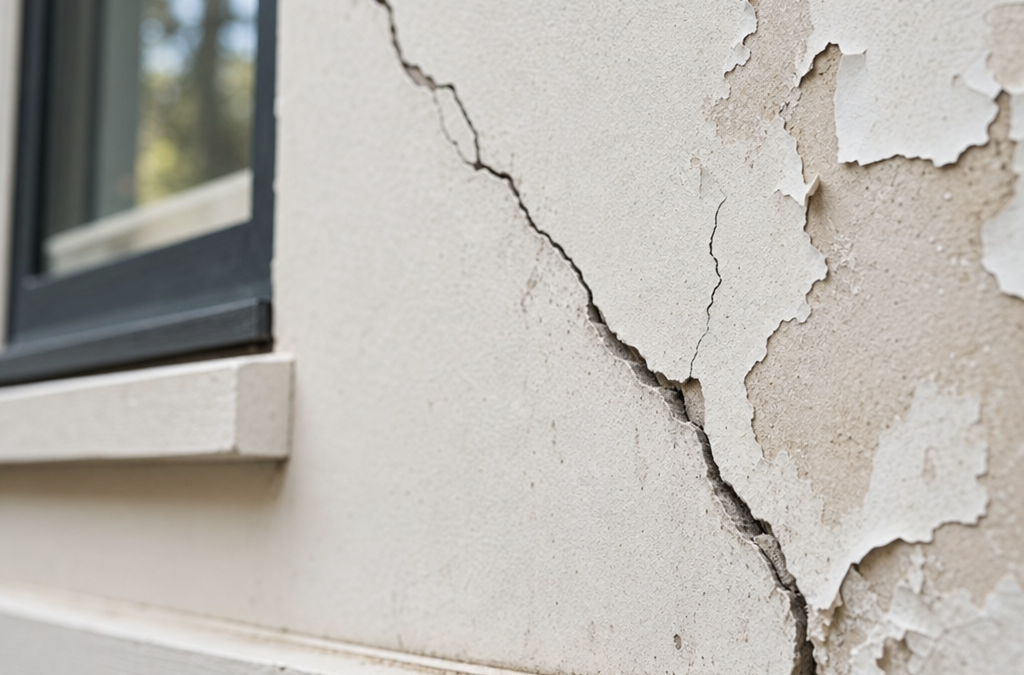
You’ve handed over your deposit, signed the paperwork, and moved into your brand-new Queensland home. Then you notice a crack in the render, doors that won’t close, or waterproofing that clearly wasn’t applied correctly. Finding defects after settlement Queensland homeowners are legally protected against is more common than the building industry likes to admit. Queensland’s own QBCC data shows thousands of defect complaints are lodged every year, and a large proportion involve work that was signed off and settled before the problem became visible. Knowing exactly what rights you hold and what steps to take is not optional – it is the difference between a builder fixing the problem at their cost and you paying for it yourself.
Table of Contents
- Quick Takeaways
- Your Legal Rights as a Queensland Homeowner
- Understanding the QBCC Defect Claim Process
- What Counts as a Defect Under Queensland Law
- Statutory Warranty Periods You Must Know
- Comparison of Defect Resolution Pathways
- How a Post-Settlement Inspection Strengthens Your Claim
- Common Mistakes That Cost Homeowners Their Rights
- Frequently Asked Questions
- References
Quick Takeaways
| Key Insight | Explanation |
|---|---|
| Settlement does not end your defect rights | Queensland law provides statutory warranty periods that continue well after you take possession of the property. |
| The QBCC is your primary complaint body | The Queensland Building and Construction Commission handles homeowner defect complaints against licensed builders and trades. |
| Structural defects carry a 6-year-and-6-month warranty | Under the Queensland Home Warranty Scheme, major structural defects are covered for 6 years and 6 months from the completion date. |
| Non-structural defects have a shorter window | You generally have 12 months from the completion date to report non-structural defects to the QBCC. |
| Photographic evidence is non-negotiable | A detailed, photo-enhanced defect report from a licensed inspector significantly increases the likelihood of a successful QBCC claim. |
| You must notify the builder first in writing | Before lodging a QBCC complaint, Queensland law requires you to give the builder a reasonable opportunity to fix the defect. |
| Builders can become insolvent, so act quickly | If your builder goes out of business, the QBCC Home Warranty Insurance steps in, but strict time limits still apply. |
Your Legal Rights as a Queensland Homeowner
Queensland homeowners benefit from one of the more structured consumer protection regimes for residential construction in Australia. The foundation of those protections is the Queensland Building and Construction Commission Act 1991, which establishes mandatory statutory warranties that every licensed builder must provide, regardless of what the contract says.
These warranties cannot be contracted out of. That is an important point. If a builder’s contract includes a clause trying to limit your post-settlement defect rights, that clause is unenforceable under Queensland law. Your rights exist independently of the paperwork you signed at settlement.
In practice, the warranties cover a wide range of obligations: work must be carried out in a proper and workmanlike manner, materials must be good and suitable, and the work must comply with all laws and legal requirements in force at the time. If any of those conditions are breached, you have grounds for a claim.

The Role of the QBCC Home Warranty Scheme
Every eligible residential building contract in Queensland triggers a compulsory contribution to the QBCC Home Warranty Scheme. This is not an optional product the builder chooses to purchase. It is a mandatory insurance mechanism that protects homeowners if a builder fails to fix defects or becomes insolvent, dies, or loses their licence.
The scheme covers the cost of completing or rectifying the work up to the insured amount, which is currently tied to the contract value. For homeowners dealing with defects after settlement, this scheme is the safety net that makes the QBCC system genuinely useful rather than theoretical.
Understanding the QBCC Defect Claim Process
A QBCC defect claim follows a specific sequence. Skipping steps or getting the order wrong is one of the most common reasons legitimate claims are delayed or rejected. Here is how the process actually works in practice.
Step 1: Notify the Builder in Writing
Before the QBCC will accept a complaint, you must give the original builder a reasonable opportunity to rectify the defect. Send a written notice, via email or registered post, that clearly describes the defect, its location, and requests rectification within a reasonable timeframe. Twenty business days is typically considered reasonable for non-urgent defects.
Keep copies of everything. If the builder ignores you, responds dismissively, or outright refuses, that response becomes part of your QBCC submission and works in your favour.
Step 2: Lodge a Complaint with the QBCC
If the builder fails to rectify within the agreed timeframe or disputes that a defect exists, you lodge a formal complaint through the QBCC online portal or by contacting their office directly. The QBCC will assess whether the complaint falls within a warranty period and whether the work was carried out by a licensed contractor.
The QBCC then assigns an inspector to assess the complaint. This is where having your own independent inspection report becomes critical. A licensed inspector’s detailed defect report gives the QBCC assessor clear evidence to work with, rather than relying solely on a builder’s denial.
Step 3: QBCC Inspection and Determination
The QBCC inspector will attend the property and issue a direction to rectify if the defect is found to be legitimate. The builder is legally required to comply with that direction. If they do not, the QBCC can take further action, including licensing sanctions.
Pro tip: Request a copy of the QBCC inspector’s report after their site visit. This document is valuable if the matter escalates to the Queensland Civil and Administrative Tribunal (QCAT) or if the builder later disputes their obligations.
What Counts as a Defect Under Queensland Law
Not every imperfection in a new home constitutes a legally actionable defect. Queensland law distinguishes between defective work and normal wear or cosmetic variation. Understanding this distinction saves you from pursuing complaints that won’t succeed and helps you focus on those that will.
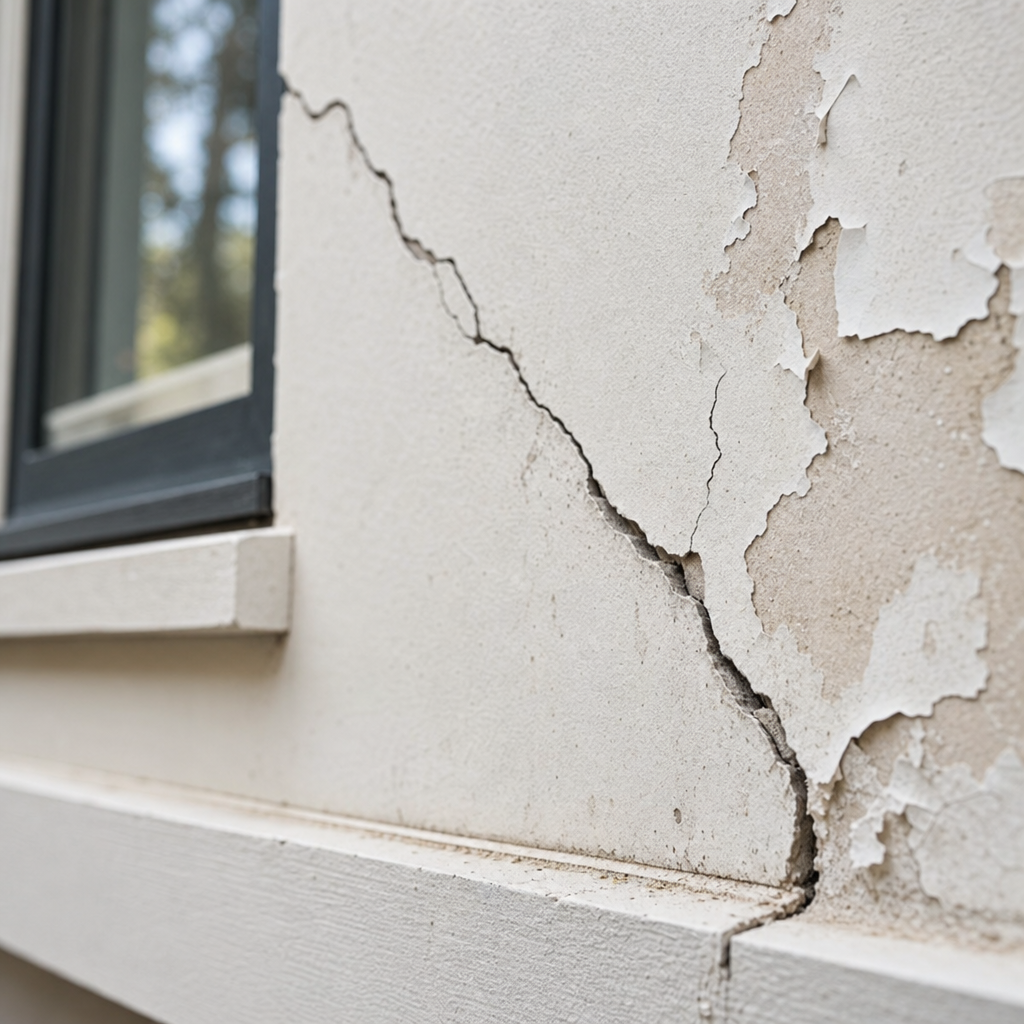
Defective work under the QBCC framework generally falls into two categories: structural defects and non-structural defects. Structural defects affect the integrity or safety of the building. Examples include subsidence, foundation failure, roof framing issues, and waterproofing failures in wet areas. Non-structural defects include items like poorly fitted joinery, gaps in tiling, paint defects, and incomplete fixtures.
What the QBCC Will Not Cover
The QBCC does not cover defects that result from owner-initiated changes after handover, normal wear and tear, or damage caused by the homeowner or third parties. It also does not cover work done by unlicensed contractors that the homeowner arranged independently after taking possession.
A common mistake is confusing cosmetic defects with contractual defects. If your contract specified a particular tile finish and the builder delivered something different, that is a contractual dispute handled differently from a building defect complaint. Knowing which category your issue falls into determines which avenue you pursue.

Statutory Warranty Periods You Must Know
Time limits are where many Queensland homeowners lose otherwise valid claims. The warranty periods are not flexible. Missing them means you are paying for rectification out of your own pocket, regardless of how clear the builder’s fault is.
Under the QBCC Act, the following warranty periods apply from the date of completion of the residential construction work:
- Structural defects: 6 years and 6 months
- Non-structural defects: 12 months
The 12-month window for non-structural defects is the one that catches most homeowners out. If you settle in January, discover a tile issue in October, and delay reporting until the following February, you may have missed your window entirely. The QBCC is strict about this.
When Does the Clock Start?
The warranty period starts from the date of practical completion or handover, not from the date you noticed the defect. This is a critical distinction. A defect that was always present but only became visible twelve months after you moved in still needs to be reported within the statutory window calculated from the original completion date.
“The QBCC statutory warranty period for non-structural defects is only 12 months from practical completion. Homeowners who delay inspection and reporting routinely find themselves outside the window for perfectly valid claims.” – Queensland Building and Construction Commission, consumer guidance on home warranty claims
Pro tip: Book an independent defect inspection at around the 10-month mark after handover. This gives you enough time to identify non-structural issues, notify the builder, and still lodge a QBCC complaint before the 12-month warranty expires if the builder fails to respond.
Comparison of Defect Resolution Pathways
Queensland homeowners dealing with post-settlement defects have more than one pathway available to them. Each has different costs, timeframes, and outcomes. The right pathway depends on the severity of the defect, the builder’s responsiveness, and how much documentation you have.
| Pathway | Best For | Key Considerations |
|---|---|---|
| Direct Negotiation with Builder | Minor defects where the builder is cooperative and responsive | Fastest resolution if successful. No cost. Requires written records to protect your position. Builder can dispute the defect’s existence. |
| QBCC Formal Complaint | Defects within statutory warranty periods where the builder is unresponsive or disputes the issue | QBCC sends its own inspector. Direction to rectify is legally binding on the builder. Operates within strict time limits. Free to lodge. |
| QCAT Dispute (Queensland Civil and Administrative Tribunal) | Complex disputes, high-value claims, or matters where QBCC has not resolved the issue satisfactorily | Formal legal process. Independent adjudication. Can award compensation beyond rectification. May require legal representation. Filing fees apply. |
In practice, most defect disputes are resolved either through direct builder negotiation or the QBCC complaint pathway. QCAT is the appropriate escalation when the QBCC process has been exhausted or when the financial stakes justify the effort of a formal tribunal hearing.
How a Post-Settlement Inspection Strengthens Your Claim
The single most effective thing a Queensland homeowner can do after settlement is commission a professional defect inspection from a licensed building inspector before any warranty period expires. This is not a precautionary nicety. It is a strategic decision that directly affects the outcome of any future claim.
A professional inspection report provides independent third-party evidence that the defect exists, predates any owner modifications, and meets the threshold for a valid claim. Without it, a dispute between a builder and a homeowner often comes down to competing assertions, and builders have significant experience navigating that territory.
What a Quality Defect Report Must Contain
Not all inspection reports are equally useful in a QBCC or QCAT context. A report that simply lists issues without photographs, trade responsibility assignments, or references to relevant building codes carries limited weight. The reports that drive successful outcomes are those that document each defect with photographic evidence, identify which trade is responsible for the issue, and reference the specific Australian Standard or building code clause that has been breached.
GoInspect’s pre-handover and post-settlement inspection reports are specifically structured to meet this standard. Each defect is photographed, assigned to the responsible trade, and documented in a same-day report that is formatted for direct use in QBCC submissions. For homeowners in Brisbane, Gold Coast, Logan, Ipswich, and Redland Bay, this means having a report that is immediately actionable, not one that requires further interpretation before it can be used.
Starting from $550 including GST, a professional inspection is a modest cost relative to the rectification work a builder may be required to carry out if the claim succeeds.
Common Mistakes That Cost Homeowners Their Rights
After working through hundreds of post-settlement defect scenarios, the patterns in how homeowners undermine their own claims are remarkably consistent. These are not unusual mistakes. They are the default behaviours of people who are stressed, time-poor, and unfamiliar with a regulatory system they never expected to need.
Waiting Too Long Before Reporting
The most common and most costly mistake is delay. Homeowners often notice a defect, hope it resolves itself, raise it verbally with the builder, and then allow months to pass without formal written notification. By the time they realise the builder is not going to act voluntarily, the 12-month warranty window for non-structural defects has closed.
Every conversation with a builder about a defect must be followed by a written record. A phone call is not notice under Queensland law. An email or letter is.
Attempting Repairs Before Documenting the Defect
If you fix a defect before it is independently inspected and documented, you may have destroyed the evidence needed to prove the builder is responsible. Even minor repairs can give a builder grounds to argue the damage was caused by the owner’s interference rather than the original construction. Document first. Repair second, and only after the builder has had the formal opportunity to rectify.
Assuming the Builder Will Respond in Good Faith
Some builders are cooperative. Many are not, particularly when a rectification job involves significant cost. A common mistake is treating an initial verbal agreement from a builder as a commitment to fix the problem. Builders who agree verbally and then become unavailable, deny the conversation happened, or subcontract the rectification to the cheapest available trade are not uncommon. Written agreements, timelines, and formal notifications protect you in those situations.
Pro tip: If a builder says they will fix something, ask them to confirm the commitment, the scope of work, and the proposed completion date in writing. If they refuse to put it in writing, treat that as a signal that the QBCC complaint pathway will be necessary.
Frequently Asked Questions
Can I still claim for defects after settlement if I did not get a pre-handover inspection?
Yes. The absence of a pre-handover inspection does not eliminate your rights under Queensland’s statutory warranty provisions. However, it does make establishing when a defect first existed more difficult, which is why an inspection commissioned as soon as you notice the issue is important. A licensed inspector can assess whether the defect pattern is consistent with original construction rather than post-settlement damage, and that assessment supports your claim.
What happens if my builder has gone out of business after settlement?
This is where the QBCC Home Warranty Insurance becomes relevant. If your builder has become insolvent, lost their licence, died, or disappeared, you can make a claim directly against the QBCC Home Warranty Insurance policy rather than pursuing the builder. Strict time limits apply and you must still be within the statutory warranty period, so acting quickly when a builder becomes unavailable is essential.
Does the QBCC defect claim process apply to high-rise apartment purchases in Queensland?
High-rise apartments (typically buildings of three or more storeys) fall under a different framework. The QBCC statutory warranties still apply to the builder, but owners corporations and individual lot owners may need to engage through body corporate processes and potentially the Body Corporate and Community Management framework before or alongside QBCC complaints. Defects in common property are typically the body corporate’s responsibility to pursue, while defects within individual lots remain the lot owner’s claim to make.
How long does the QBCC defect claim process take?
In practice, straightforward claims where the defect is clear and the builder is still operating typically resolve within three to six months from the initial complaint lodgement. Complex claims, disputed defects, or matters involving insolvent builders can take considerably longer. Having a thorough independent inspection report at the point of lodgement consistently reduces the time the QBCC needs to make its determination, because the evidence burden on their inspector is lower.
Can I claim for defects that I caused by making changes to the home after settlement?
No. Defects that result from owner-initiated modifications after settlement are not covered by the statutory warranty. If you renovated a bathroom and the waterproofing subsequently failed, the QBCC will investigate whether the failure relates to the original builder’s work or your modification. This is another reason why independent inspection and documentation before you make any changes to a newly settled property is important.
Is there a cost to lodge a QBCC defect complaint?
Lodging a complaint with the QBCC is free. The cost exposure for homeowners comes from commissioning an independent inspection report to support the complaint, which is a worthwhile investment. If the matter escalates to QCAT, there are filing fees, and if you engage legal representation, those costs apply as well. The QBCC complaint pathway itself has no application fee.
Have you navigated a defect claim after settlement in Queensland? Share what worked, what did not, and any lessons that would help other homeowners in the same situation.
References
- Queensland Building and Construction Commission official website, covering homeowner rights, warranty periods, and how to lodge a defect complaint
- Queensland legislation database, including the full text of the Queensland Building and Construction Commission Act 1991 and related regulations
- Queensland Civil and Administrative Tribunal official site, outlining how to escalate unresolved building disputes beyond the QBCC process
- Australian Building Codes Board, the national authority setting the building standards and codes that define defective construction in Australia
- Forbes coverage of property and real estate, including consumer protection insights relevant to construction and homeowner rights