
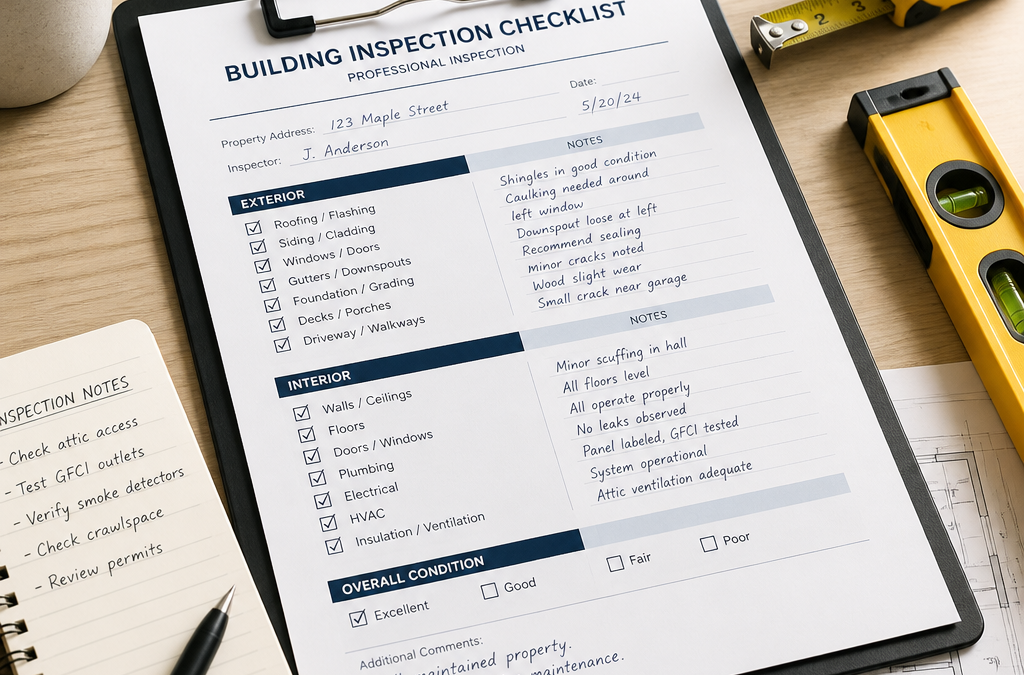
Most new homeowners in South East Queensland assume that because a property is brand new, it is defect-free. That assumption costs money. Builders operate under enormous pressure across Brisbane, Gold Coast, Logan, Ipswich, and Redland Bay, with trades stretched across multiple sites and timelines compressed by demand. The result is that practical completion inspections regularly uncover waterproofing failures, tiling defects, plasterwork issues, and drainage faults that certified sign-offs simply do not catch. A licensed building inspector Queensland homeowners can trust is not a luxury. It is the single most effective tool you have for protecting a financial investment that likely runs into hundreds of thousands of dollars.
Table of Contents
- Quick Takeaways
- Why “Licensed” Is Not Just a Buzzword
- What Mandatory Stage Inspections Actually Miss
- Common Defects Found in New Homes Across South East Queensland
- What a Professional Handover Inspection Actually Covers
- Photo-Enhanced Reports and Trade Accountability
- Comparing Inspection Approaches: What to Look For
- Timing Your Inspection Correctly
- What Investors and Developers Need to Know
- Frequently Asked Questions
- References
Quick Takeaways
| Key Insight | Explanation |
|---|---|
| Certification is not the same as quality | A builder’s certifier checks compliance with approved plans and codes, not workmanship quality. An independent licensed inspector checks both. |
| Timing determines leverage | Book your inspector the moment your builder notifies you of approaching practical completion. Booking after handover weakens your position significantly. |
| Same-day reports matter | A same-day photo-enhanced report means your defects list reaches the builder while the facts are fresh and the trades are still on site. |
| Trade-specific accountability speeds rectification | Reports that assign defects to specific trades (tiler, plasterer, plumber) remove ambiguity and accelerate the rectification process. |
| QBCC warranty periods are not indefinite | Queensland Home Warranty Scheme coverage has strict timeframes. Documenting defects before handover is far stronger than discovering them months later. |
| New home inspections cover high-rise too | Apartment and high-rise buyers in Brisbane and the Gold Coast need inspections customised for multi-residential buildings, not just house checklists. |
| Waterproofing defects are the highest-risk finding | Missed waterproofing issues in wet areas and balconies can cost tens of thousands in remediation once a property is occupied. They must be caught before handover. |
Why “Licensed” Is Not Just a Buzzword
The Queensland Building and Construction Commission (QBCC) is the principal regulatory body overseeing building inspectors in this state. It was established by the Queensland Building and Construction Commission Act 1991 and operates through specific regulations that define who can legally inspect and report on residential construction. When you hire a licensed building inspector Queensland residents can verify against the QBCC register, you are hiring someone who meets legislated competency standards, carries professional indemnity coverage, and is accountable to a formal disciplinary process if they get it wrong.
An unlicensed “property inspector” operates outside that framework. There is no regulated accountability, no minimum competency standard, and no recourse if their report misses a critical defect. In practice, the difference shows up most clearly in complex situations, particularly when a builder disputes a finding or when a claim is later lodged under the Queensland Home Warranty Scheme. A report from a QBCC-licensed inspector carries weight in those situations. An unlicensed report often does not.
Pro tip: Before booking any inspector, verify their licence directly on the QBCC public licence register at qbcc.qld.gov.au. The register is publicly searchable and takes under two minutes to use. If a company cannot provide a QBCC licence number, do not proceed.

What Mandatory Stage Inspections Actually Miss
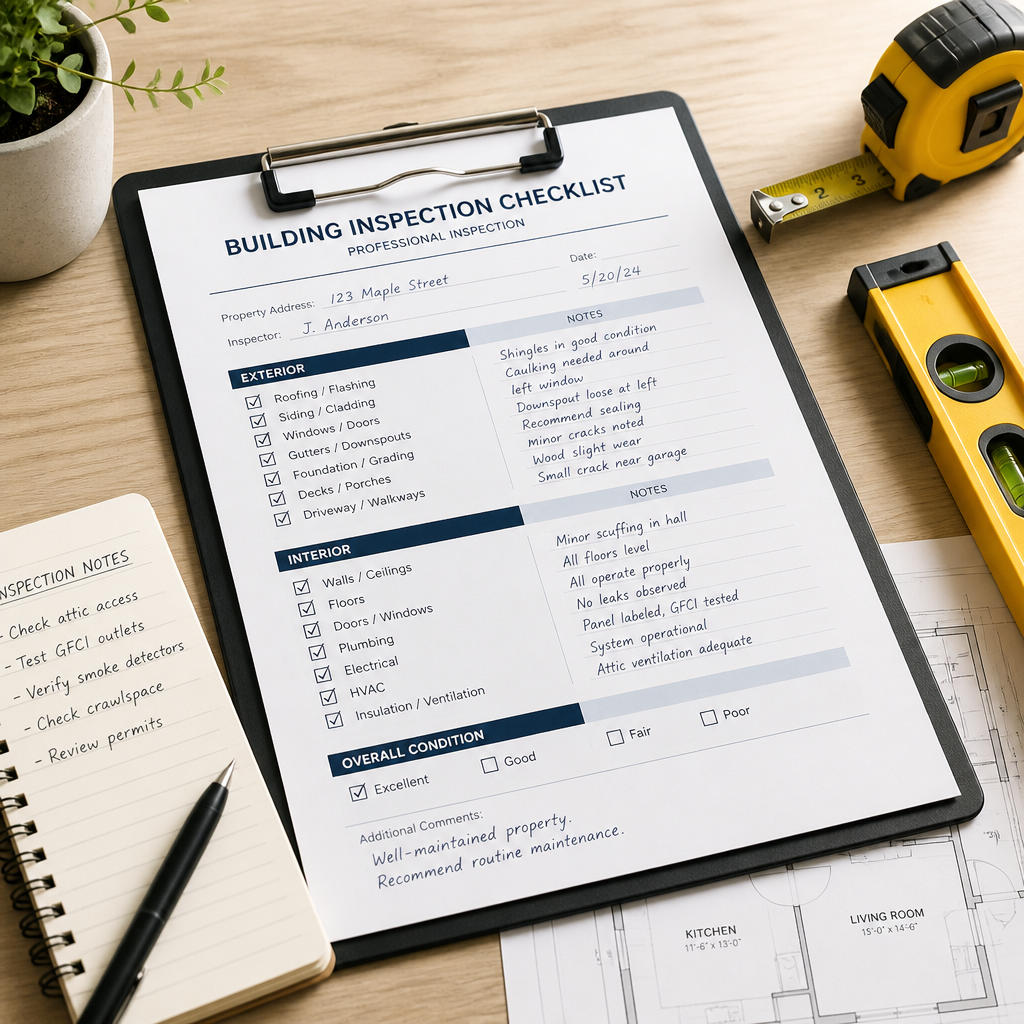
Queensland requires licensed building certifiers to inspect new single-detached homes at prescribed stages: excavation, footing, slab, frame, and final. These inspections exist to verify that structural work matches approved plans and complies with the relevant building codes. That is a compliance check, not a quality check.
The final inspection by a certifier confirms the structure is legally compliant. It does not systematically assess the quality of paint finishes, the alignment of cabinetry, the fall of shower bases, the seal around windows, or the dozens of workmanship-level details that determine whether a home actually meets the standard a buyer paid for. Those details fall squarely within the scope of a new home inspection South East Queensland buyers should commission independently, specifically timed around practical completion.
This distinction is one that builders sometimes blur in conversation with new homeowners. “The certifier has signed it off” is a true statement. It simply does not mean what buyers often assume it means. Certifier sign-off and independent quality inspection answer two entirely different questions.
Common Defects Found in New Homes Across South East Queensland
After conducting inspections across Brisbane, Gold Coast, Logan, Ipswich, and Redland Bay, a consistent pattern of defect types emerges. None of these are exotic. Most are entirely fixable before handover if documented with specificity.
Waterproofing and Wet Area Failures
Waterproofing defects in bathrooms, ensuites, laundries, and balconies are among the most serious findings in any new home inspection. A missing or incorrectly applied membrane can allow moisture to travel through substrates, creating damage that only becomes visible months after occupancy. By that point, the rectification cost is substantially higher and the builder’s motivation to absorb it is substantially lower. Catching this before handover is non-negotiable.
Paint, Plasterwork, and Tiling
Poor paint finishes appear in virtually every new home inspection: patchy coverage, visible roller lines, paint on fixtures, and unpainted sections in corners or behind doors. Plasterwork hollowness, cracking, and poorly finished joins are common in volume builds where plasterers move quickly across multiple sites. Tiling defects include lippage (where tile edges sit unevenly), missing grout, cracked tiles, and incorrect drainage fall in wet areas.
Cabinetry, Joinery, and Fixtures
Doors that do not sit level, handles that are misaligned, drawers that stick, and shelving that is not secured properly appear regularly across South East Queensland handover reports. These are rarely structural problems, but they are contract defects. Documenting them at the inspection gives the buyer a clear, enforceable defects list.
Plumbing and Drainage
Leaking taps, showerheads, toilets, and pipe connections, along with incorrect fall in drainage, appear frequently in newly completed properties. These are findings that a builder’s site supervisor may not have systematically tested across every fixture before calling practical completion.
What a Professional Handover Inspection Actually Covers
A professional handover inspection is not a casual walkthrough. It is a structured, documented assessment of a property at practical completion, conducted by a licensed inspector working from a systematic methodology rather than a casual checklist.
At GoInspect, inspections cover every accessible area of the property: structure, roofing, external cladding and rendering, all wet areas, internal linings, cabinetry, joinery, fixtures, electrical outlets and fittings, plumbing connections, windows and doors, drainage, and any site works included in the contract scope. High-rise and apartment inspections are handled with customised reports that reflect the specific scope of a multi-residential project, not a modified house checklist.
Signing off at handover without a proper defects list eliminates accountability entirely. Once you have accepted the home and final payment has cleared, the builder’s contractual obligation to fix items narrows considerably.
The inspection report produced by GoInspect arrives the same day as the inspection, with photographs annotating each defect. This matters because it means your builder receives a documented, specific defects list while the trades who caused those defects are often still reachable. A report that arrives three days later, with vague descriptions and no photographs, gives a builder room to dispute findings, question attribution, and delay action.
Pro tip: When you receive your defects report, do not hold it back waiting for a “better time” to raise it with your builder. Send it immediately and request written acknowledgment of each item. The clock on rectification runs from that acknowledgment, not from when you get around to it.
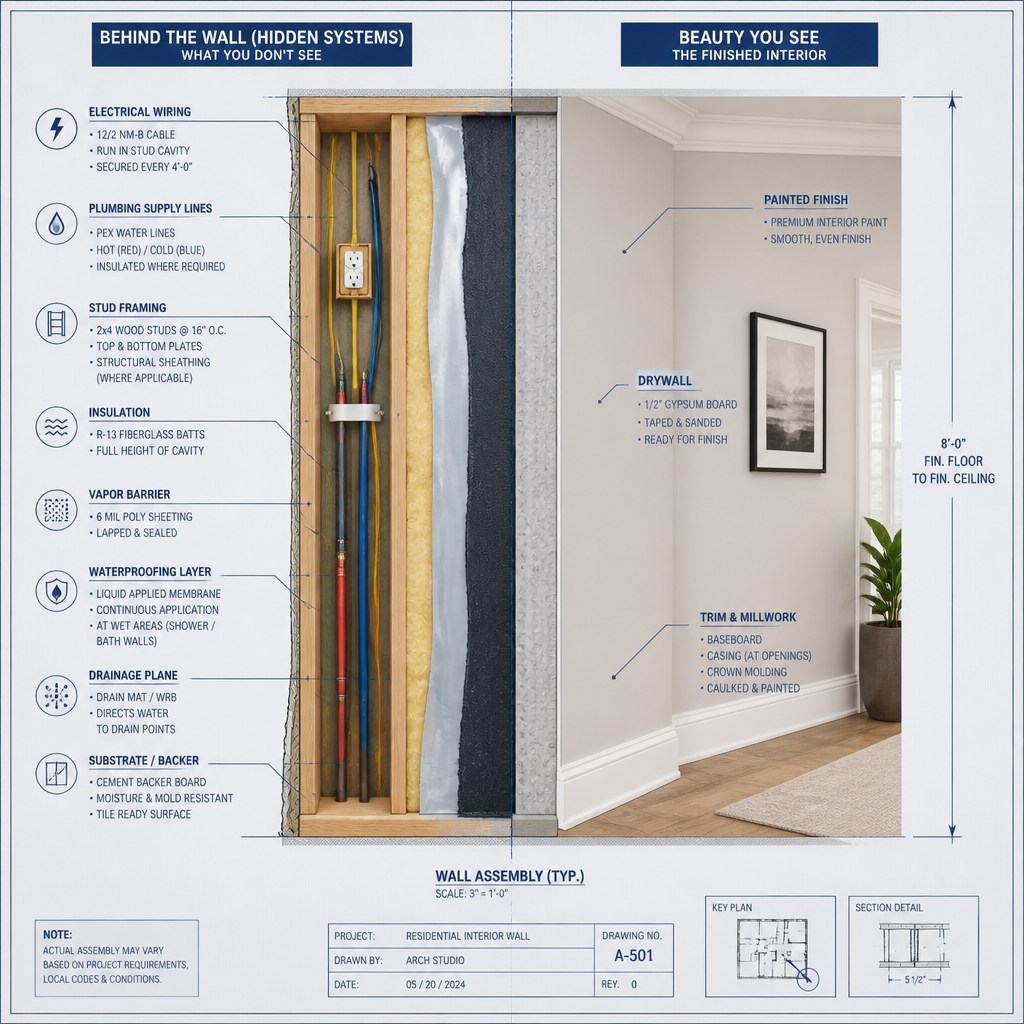
Photo-Enhanced Reports and Trade Accountability
The format of a defect report determines how quickly issues actually get fixed. A generic report that lists problems without photographs, without precise location references, and without identifying which trade is responsible gives builders the opportunity to send the wrong subcontractor, claim the issue does not exist, or simply slow-walk the response.
GoInspect’s reports are built around photo documentation and trade-specific attribution. Each defect is photographed, located in the property, and assigned to the relevant trade: tiler, plasterer, painter, plumber, electrician, or carpenter. This structure means a builder’s site manager can immediately direct the right person to the right location to address a specific issue. There is no ambiguity to hide behind. The rectification process runs faster because the accountability path is clear from the moment the report lands.
For builders and developers managing multiple handovers, this is also an operational benefit. A report that generates a clear, trade-sorted action list is far more useful than a narrative document that has to be manually decoded and distributed.
Comparing Inspection Approaches: What to Look For
| Approach | What It Delivers | Key Limitation |
|---|---|---|
| Builder’s own site supervisor walkthrough | Familiar with the build, can identify obvious incomplete items | Not independent. Has a direct interest in the handover proceeding. Cannot substitute for an external inspection. |
| Certifier final inspection | Legally required, confirms code compliance, checks structural work against approved plans | Checks compliance only, not workmanship quality. Does not assess paint, cabinetry, tiling finish, or plumbing connections. |
| Independent licensed building inspector (GoInspect) | Full independent quality and workmanship assessment, same-day photo-enhanced report, trade-specific defect attribution, covers houses and high-rise | Requires a separate booking and upfront cost. Represents the buyer’s interests, not the builder’s. |
The comparison above makes the respective roles clear. None of the first two options replaces an independent inspection. They serve different purposes. A buyer who relies on a certifier sign-off or a builder’s own walkthrough as their quality assurance has, in effect, no independent quality assurance at all.
Timing Your Inspection Correctly
Timing is the variable most homeowners get wrong, and the consequences of getting it wrong are significant. The correct time to book a new home inspection South East Queensland buyers can act on is immediately after your builder notifies you that the property is approaching practical completion, not on the day of the handover appointment itself.
Booking too late creates a practical problem: independent inspectors in high-demand areas like Logan, Ipswich, and Redland Bay need lead time to schedule. If you try to book on short notice, you may be forced to attend handover without your inspector present, which effectively means attending without independent representation. The builder’s handover appointment will proceed, a defects list may or may not be produced, and the window for structured pre-handover documentation closes.
The defects list created and signed at the inspection is the mechanism that keeps the builder contractually accountable for outstanding items. Signing off without a proper defects list, or attending a handover without an independent inspector, removes that accountability. This is not a recoverable situation once it has happened. Fixing items after final payment and without a formal pre-handover defects list requires fresh negotiation, and builders have far less incentive to engage.
What Investors and Developers Need to Know
Property investors buying new builds in Brisbane, Gold Coast, or the broader South East Queensland region face a specific risk that owner-occupiers sometimes underestimate: defects that affect rentability or tenant safety are your liability as soon as the property is in your hands. A leaking shower, a non-functioning exhaust fan, or a dangerous balcony railing is no longer the builder’s problem once handover is accepted. It is the investor’s problem, and the cost comes out of rental returns.
For developers managing multi-residential projects or volume housing estates, the equation is different but the principle is the same. GoInspect works directly with builders and developers to provide pre-handover inspection reports that are structured for project-scale use, with customised formats for high-rise developments. This is not a service retrofitted from a residential house checklist. Reports that assign defects by trade and by unit allow site managers to coordinate rectification efficiently across a complex project.
The QBCC’s Queensland Home Warranty Scheme provides insurance-backed protection against defective work, but claims operate within strict timeframes and require documented evidence. An independent pre-handover inspection report with photographs is the strongest possible foundation for any subsequent QBCC complaint or home warranty claim, should the builder fail to rectify documented defects.
Frequently Asked Questions
What does a licensed building inspector in Queensland actually check at a new home inspection?
A licensed building inspector assesses workmanship quality across the entire property: structural elements, roofing, external cladding, wet area waterproofing, internal linings, paint, tiling, cabinetry, joinery, plumbing fixtures, electrical fittings, windows and doors, drainage, and site works. Unlike a certifier’s compliance check, the focus is on whether the standard of work meets what the contract specifies and what a competent tradesperson would produce.
Is a pre-handover inspection legally required in Queensland?
No. Mandatory stage inspections by a certifier are legally required under Queensland building law, but an independent pre-handover or practical completion inspection by a separate licensed inspector is not mandated by law. It is strongly advisable, however, because it is the only systematic mechanism by which a buyer can independently document the condition and quality of the property before accepting it.
Can a builder refuse to allow an independent inspector at the handover?
Reputable builders generally accommodate independent inspectors as a standard part of due diligence. If a builder raises access issues, that is worth noting and it is advisable to speak with your solicitor or conveyancer. The better practice is to engage your inspector before the formal handover appointment, rather than introducing the request on the day.
How does GoInspect differ from other building inspection services in South East Queensland?
GoInspect provides same-day photo-enhanced defect reports that assign each issue to the specific trade responsible. This goes beyond simply listing problems: it creates an actionable, trade-sorted document that allows builders and their site teams to coordinate rectification immediately. Inspections cover Brisbane, Gold Coast, Logan, Ipswich, and Redland Bay, and GoInspect offers customised report formats for both standard residential builds and high-rise or multi-residential developments. The service starts from $550 including GST.
What happens if defects are not fixed after the inspection report is issued?
If a builder does not rectify documented defects, the homeowner can escalate through the QBCC’s dispute and complaint process. The QBCC has the power to issue a Direction to Rectify to the builder or relevant subcontractor, which carries a compliance timeframe and appears on the builder’s public licence history. Claims under the Queensland Home Warranty Scheme are also available where applicable. Having a detailed, photographic pre-handover inspection report from a licensed inspector is the strongest starting point for any such process.
When should I book my pre-handover inspection on the Gold Coast or Brisbane?
Book your inspection as soon as your builder advises that the property is approaching practical completion. Do not wait for a formal handover date to be set. Inspectors in high-demand South East Queensland areas need lead time, and booking too late can mean you attend handover without independent representation. Your builder’s notification of approaching practical completion is your trigger to act.
Do investors buying off-the-plan apartments in Brisbane need a different type of inspection?
Yes. An apartment or high-rise unit requires a customised inspection scope that accounts for common property access, lift lobbies, balconies, and building-wide systems that do not apply in a house inspection. GoInspect produces customised reports for high-rise developments that reflect the specific scope of the project rather than applying a standard residential house checklist to a multi-storey setting.
Have you been through a pre-handover inspection on a new home in South East Queensland? Share what you found, or ask a question below about your specific situation.
References
- Queensland mandatory stage inspections explained: what certifiers check at each build stage
- QBCC defective work resolution process: how Directions to Rectify work in Queensland
- QBCC home warranty scheme timeframes and defective work claims guide
- Common defects found in Brisbane new home handover inspections
- Building inspection laws in Queensland: licensing, powers, and regulatory framework