

Most new home buyers in Queensland use the terms “practical completion inspection” and “handover inspection” interchangeably. That is a mistake that can cost thousands. These two terms describe related but distinct stages in the new home build process, and confusing them leaves buyers vulnerable to accepting defects that should have been caught and fixed before they ever signed a thing. If you are building in Brisbane, the Gold Coast, Logan, Ipswich, or Redland Bay, understanding exactly what each inspection covers is not optional, it is the difference between a smooth settlement and a months-long defect dispute.
Table of Contents
- Quick Takeaways
- What Is a Practical Completion Inspection?
- What Is a Handover Inspection?
- Key Differences Between PCI and Handover Inspections
- Queensland Regulations and Your Rights
- What Inspectors Actually Check at Each Stage
- Comparison: PCI vs Handover vs Pre-Settlement Inspection
- Common Defects Found at Each Stage
- Why Photo-Enhanced Reports Matter
- Frequently Asked Questions
- References
Quick Takeaways
| Key Insight | Explanation |
|---|---|
| PCI happens before practical completion is certified | A practical completion inspection is conducted while the builder still has formal obligation to rectify defects prior to issuing the certificate of practical completion. |
| Handover inspection is typically at or after key handover | A handover inspection occurs when keys are being transferred, making defect rectification harder to enforce without a formal dispute process. |
| Queensland contracts define your PCI rights | Under Queensland building contracts (HIA and Master Builders), owners have a legal right to conduct a PCI inspection before certifying completion. |
| Independent inspectors find more defects than buyers walking through alone | Licensed inspectors are trained to identify structural, waterproofing, and finish defects that untrained eyes routinely miss on site walkthroughs. |
| Photo-enhanced reports assign trade responsibility | Detailed reports that name specific trades for each defect make rectification faster and prevent builders from disputing which subcontractor is responsible. |
| Same-day reporting accelerates defect resolution | When reports are delivered the same day as the inspection, builders can act immediately rather than waiting days for documentation. |
| Skipping PCI does not waive your rights entirely | Even if you proceed to handover without a PCI, statutory warranties under Queensland law still apply, but enforcement becomes significantly more difficult and slower. |
What Is a Practical Completion Inspection?
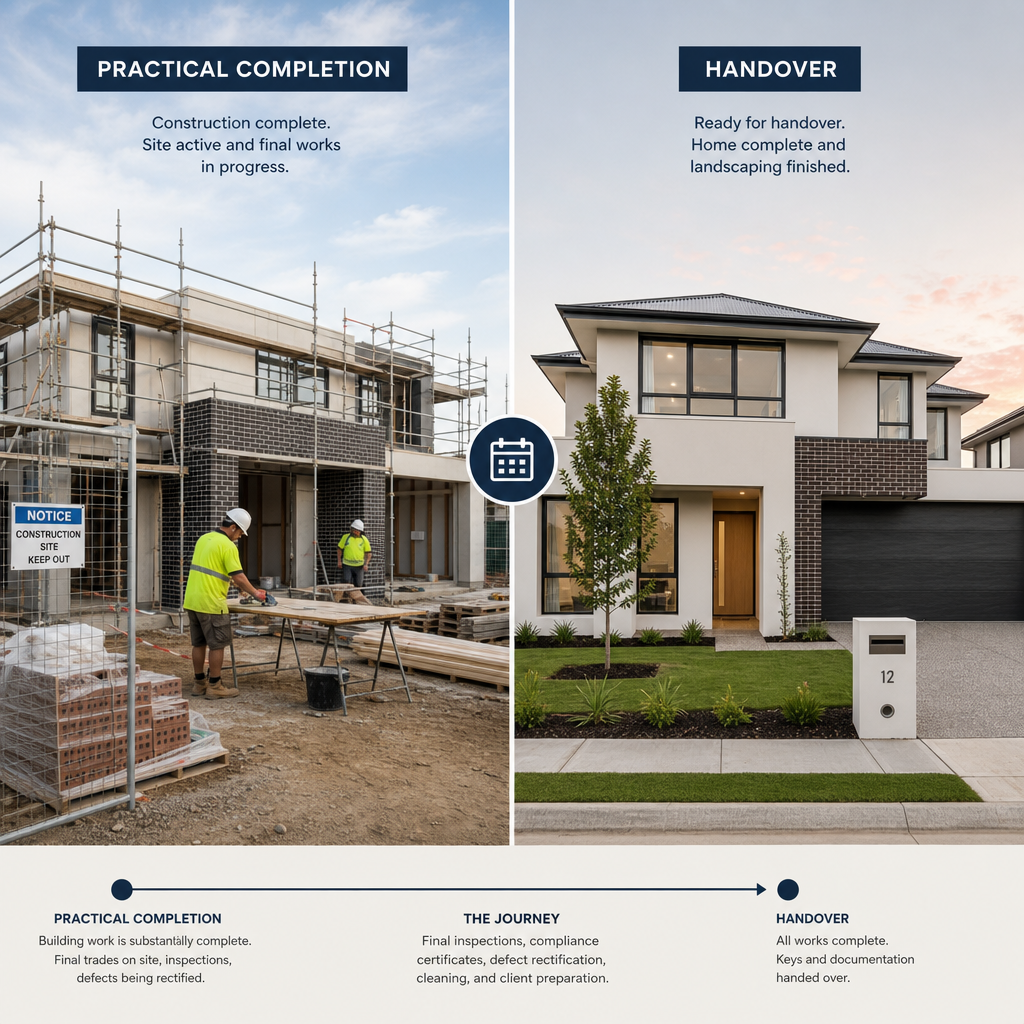
A practical completion inspection (commonly called a PCI inspection in Queensland) is a formal assessment of a new home conducted before the builder issues the Certificate of Practical Completion. At this stage, the build is substantially finished but has not yet been officially signed off. The owner, or their appointed inspector, walks the property with the builder’s site supervisor to identify any defects, incomplete work, or items that do not meet the contracted specifications.
The critical point here is timing. The PCI occurs while the builder is still contractually obligated to fix issues as a condition of reaching practical completion. That obligation is real and enforceable. Once practical completion is certified and keys are handed over, the dynamic shifts significantly toward dispute resolution processes rather than straightforward rectification.
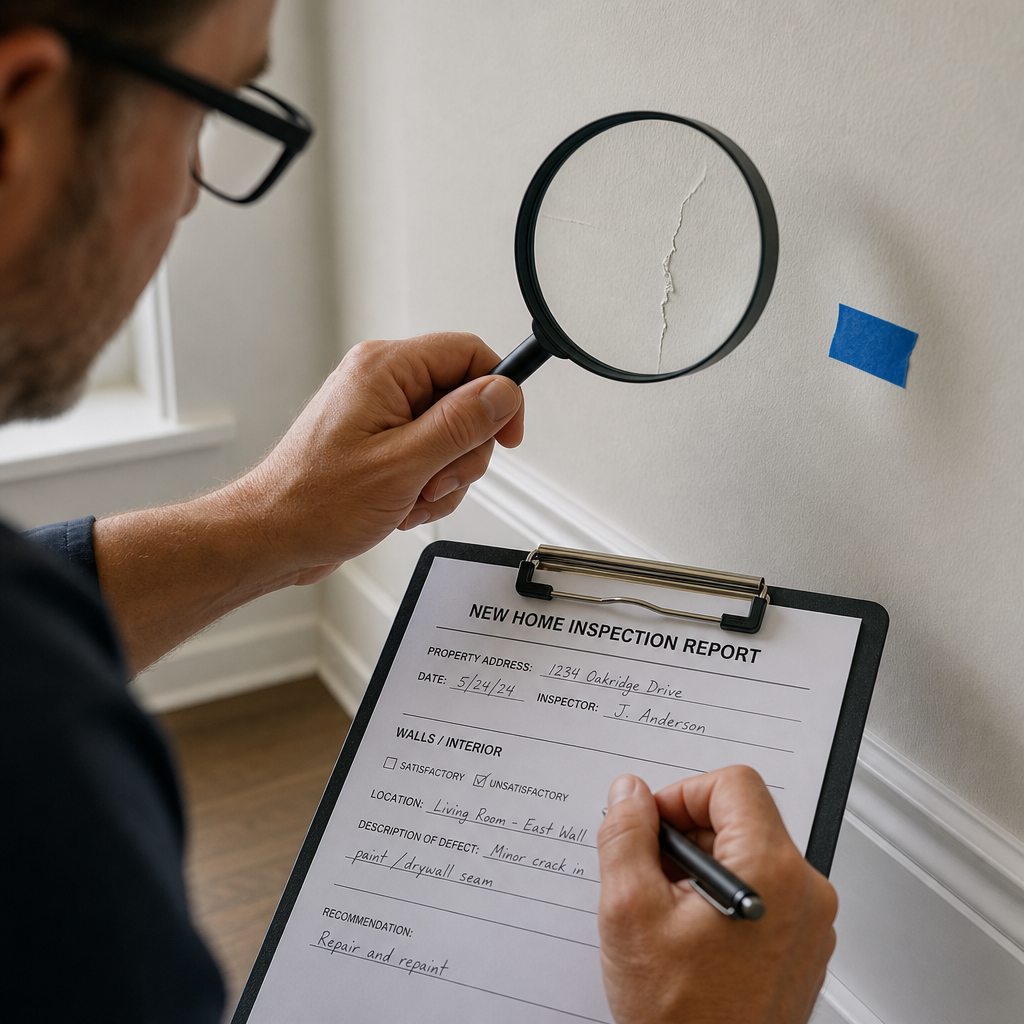
In practice, a PCI inspection with a licensed independent inspector like GoInspect will produce a detailed written report, with photographs, that documents every defect against the relevant trade and the relevant contract specification. This report becomes the formal document that the builder must respond to before the Certificate of Practical Completion is issued.

What Is a Handover Inspection?
A handover inspection is an assessment that takes place at or immediately around the time the builder presents keys to the owner. In common usage across Queensland, many buyers treat this as their first real chance to examine the finished property. Some builders even refer to the PCI walkthrough as a “handover inspection” in their own documentation, which compounds the confusion.
The practical difference is leverage. At the handover stage, the builder has typically already issued the Certificate of Practical Completion or is about to. Defects identified at this point fall under different contractual and warranty provisions. Rectification is no longer a condition of completing the contract. It becomes a warranty claim, which means timelines are longer, dispute mechanisms are different, and the owner is now living in or occupying a property with unresolved issues.
A common mistake is assuming that because you did a walkthrough with the builder’s supervisor before receiving keys, you have completed a proper PCI inspection. That walkthrough, without a licensed independent inspector and a documented report, is not a PCI inspection. It is a casual site visit with no legal weight behind it.
Pro tip: Always book your independent PCI inspection at least five to seven business days before your scheduled practical completion date. This gives the inspector time to prepare the report and gives the builder time to respond formally before the certificate is issued.
Key Differences Between PCI and Handover Inspections
The distinction between a PCI inspection and a handover inspection is primarily about contractual timing and enforceability, not inspection methodology. Both involve a physical assessment of the property. Both should produce a written report. The difference is what happens next.
Contractual Obligations at Each Stage
During a PCI, the builder is contractually required to address items identified before certifying completion. This is codified in standard Queensland building contracts. The builder cannot simply issue the Certificate of Practical Completion while legitimate defects remain unaddressed. The owner has documented grounds to withhold sign-off.
At handover, if defects are identified, the owner’s recourse is the Queensland Home Warranty Scheme or direct negotiation with the builder. Both paths are slower and more adversarial than a simple pre-completion defect list.
Who Typically Conducts Each Inspection
A properly conducted PCI inspection in Queensland should always involve a licensed, independent building inspector, not just the builder’s own representative. GoInspect’s inspectors are fully licensed and operate independently from all builders and developers across Brisbane, Gold Coast, Logan, Ipswich, and Redland Bay. This independence is non-negotiable for the report to have credibility if any dispute arises.
A handover inspection, in contrast, is often conducted by the owner themselves, sometimes accompanied by a family member with renovation experience. This is rarely adequate for identifying structural, waterproofing, or compliance-related defects in a new build.
Queensland Regulations and Your Rights
Queensland’s building contract framework gives owners specific rights around practical completion. Under both HIA and Master Builders standard contracts, the owner or their representative is entitled to attend and conduct a PCI inspection before the builder certifies practical completion. The builder must give reasonable notice of when practical completion will be reached.
“The Queensland Building and Construction Commission (QBCC) administers the Home Warranty Scheme, which provides insurance cover for eligible residential construction work in Queensland. Defects identified before practical completion are best resolved through the builder’s contractual obligations rather than warranty claims.” – Queensland Building and Construction Commission
The QBCC Act and associated regulations establish statutory warranties that apply for six years to structural defects and 12 months to non-structural defects from the date of practical completion. These warranties are your backstop, not your first line of defence. Your first line of defence is a thorough PCI inspection conducted before the certificate is issued.
Many buyers in Queensland also confuse the QBCC building approval process with their PCI rights. A building certifier inspects for code compliance, not for workmanship quality, finish standards, or contractual specifications. Your independent PCI inspection covers ground that the building certifier does not.
Pro tip: Request a copy of your building contract’s practical completion clause before booking your PCI inspection. Share it with your inspector so they can cross-reference any specification requirements during the inspection rather than relying solely on industry standards.
What Inspectors Actually Check at Each Stage
Understanding what a PCI inspection covers in practice helps owners know what questions to ask and what to watch for. The scope is broader than most first-time buyers expect.
Structural and Framing Issues
Inspectors assess roof framing, wall framing, and structural elements for compliance with engineering plans and the National Construction Code. Cracks in brickwork, inadequate tie-downs, and roof structure inconsistencies are common findings on new builds across Brisbane and the Gold Coast.
Waterproofing and Wet Areas
Waterproofing failures are among the most expensive defects in new homes. At PCI stage, inspectors check wet area substrates, shower recesses, balconies, and external junctions for proper waterproofing membrane installation. This is significantly easier to assess before tiles are grouted and sealed.
Finishes and Fixtures
Paint quality, door alignments, window operations, cabinetry installation, tile grout consistency, and fixture functionality are all checked against the contract specifications and the relevant Australian Standards. These items are what most owners focus on, but they are the least structurally consequential findings.
Services and Compliance
Inspectors verify that electrical, plumbing, and mechanical services have been installed in accessible and serviceable locations. They also confirm that smoke alarm placement meets Queensland requirements and that hot water systems, air conditioning units, and stormwater drainage are installed per the contract.
Comparison: PCI vs Handover vs Pre-Settlement Inspection
These three inspection types are all relevant to new home buyers in Queensland but serve different purposes at different stages of the purchase and construction process. Confusing them leads to gaps in defect coverage.
| Inspection Type | When It Occurs | Primary Purpose and Enforceability |
|---|---|---|
| Practical Completion Inspection (PCI) | Before the Certificate of Practical Completion is issued by the builder | Identifies defects while the builder is contractually obligated to rectify them as a condition of completing the build. Highest enforceability. |
| Handover Inspection | At or immediately after key handover, often after practical completion is certified | Identifies defects for warranty claims or negotiated rectification. Enforceability relies on statutory warranties and dispute processes rather than contract completion conditions. |
| Pre-Settlement Inspection | Before settlement of an established or off-the-plan property purchase | Confirms the property matches the contract of sale and that no damage has occurred since exchange. Primarily relevant to buyers of completed properties rather than those managing a building contract. |
Common Defects Found at Each Stage
The data from new home inspections across South East Queensland is consistent. Defects are not random. They cluster around specific trades and specific stages of construction. Knowing which defects are most common at PCI stage versus handover stage helps owners prioritise what to look for.
Most Common PCI Defects in Queensland New Builds
Roof plumbing and guttering issues, including incorrect fall on gutters and inadequate overflow provisions, appear in a significant proportion of PCI reports across Brisbane and the Gold Coast. Brick veneer tie spacing non-compliance and inadequate sub-floor ventilation are also recurring structural findings. These are items that a builder’s supervisor walkthrough will rarely flag, but a licensed inspector will identify immediately.
Interior finishes defects, including paint holidays (missed spots), door hardware misalignment, and incomplete silicone sealing in wet areas, are the most numerous items on PCI reports but are also the easiest for builders to rectify quickly.
Defects That Surface After Handover
Waterproofing failures in shower recesses and balconies often only become apparent after the property has been used for some weeks. Grout cracking in tiled areas, gaps in external cladding, and inadequate weatherproofing around windows and doors also tend to manifest once the building is occupied and subject to weather events. This is why catching waterproofing issues at PCI stage, before tiling is complete, is so valuable.
Why Photo-Enhanced Reports Matter
A verbal walkthrough with a builder’s supervisor, even a thorough one, produces no enforceable documentation. When a dispute arises three weeks later over whether a particular defect was raised or acknowledged, the owner with a photo-enhanced written report from GoInspect is in a fundamentally different position than the owner who relied on a handshake agreement.
GoInspect’s reports are designed specifically to assign each defect to the responsible trade. This matters because builders frequently deflect defect responsibility between subcontractors. When a report states clearly that a specific waterproofing issue at a specific location is the responsibility of the waterproofing contractor, the builder cannot credibly delay rectification by claiming they need to investigate which trade is responsible.
Same-day report delivery also compresses the rectification timeline. Builders who receive a detailed report on the day of the inspection can begin coordinating remedial work immediately. This is particularly important for buyers on tight settlement timelines or investors managing rental commencement dates.
Frequently Asked Questions
Is a practical completion inspection the same as a handover inspection?
No. A practical completion inspection occurs before the builder certifies that construction is complete, while defect rectification is still a contractual condition of finishing the build. A handover inspection typically occurs at or after the builder has issued the Certificate of Practical Completion and is handing over keys. The distinction matters because your enforceability rights are significantly stronger at PCI stage.
Do I need both a PCI inspection and a handover inspection?
In most cases, a thorough PCI inspection conducted by a licensed independent inspector replaces the need for a separate handover inspection. If the PCI report is comprehensive and the builder has addressed the items prior to handover, there are no unresolved defects to catch at key handover. Where buyers do both, it is usually because the PCI was conducted informally and the handover inspection is a second attempt to catch what was missed.
Who can conduct a PCI inspection in Queensland?
Any person can physically attend a PCI walkthrough, including the owner. However, for the report to carry weight in any dispute or QBCC complaint, it should be prepared by a licensed building inspector. In Queensland, building inspectors must hold a relevant QBCC licence. GoInspect’s inspectors are fully licensed and operate across Brisbane, Gold Coast, Logan, Ipswich, and Redland Bay.
Can a builder refuse to let me bring an independent inspector to the PCI?
Under standard Queensland building contracts, the owner has the right to attend the PCI, and this extends to bringing a representative or appointed inspector. A builder who refuses independent inspection attendance at PCI stage is in breach of standard contract terms. Document any such refusal in writing immediately and contact your solicitor or the QBCC.
How much does a PCI inspection cost in Queensland?
PCI inspection costs vary based on the size of the property and the complexity of the build. GoInspect’s practical completion inspection services start from $550 including GST. For high-rise developments or multi-lot projects, customised pricing applies. Given that a single unresolved waterproofing defect can cost $10,000 to $30,000 to rectify after handover, the cost of a PCI inspection is modest relative to the financial protection it provides.
What happens if defects are found at the PCI inspection?
The inspector documents each defect with photographs and assigns it to the responsible trade. This report is formally submitted to the builder. The builder is then required to rectify the items and either notify the owner when rectification is complete or schedule a re-inspection. The Certificate of Practical Completion should not be issued until the owner is satisfied with the outcomes. If the builder certifies completion despite unresolved defects, the owner can dispute this through the QBCC.
Does a PCI inspection cover high-rise apartments?
Yes, though the scope is adapted to what is accessible and relevant for an individual lot within a multi-unit development. GoInspect provides customised inspection and reporting for high-rise developments, covering internal finishes, wet areas, balconies, windows and glazing, built-in fixtures, and services within the lot boundary. Common areas and structural elements of the building fall under the body corporate and developer’s obligations rather than the individual unit inspection.
Have you recently been through a PCI inspection or handover process in Queensland? Share what you found in the comments, your experience helps other buyers know what to expect.
References
- Queensland Building and Construction Commission, the regulator for building standards, licensing, and the Home Warranty Scheme in Queensland
- Australian Building Codes Board, the authority responsible for the National Construction Code that governs construction standards for new homes
- Housing Industry Association, which publishes standard residential building contracts used across Queensland new home construction
- Australian Competition and Consumer Commission, which sets consumer rights frameworks relevant to building contracts and defect remediation
- Standards Australia, the body that publishes Australian Standards referenced in building contracts and inspection reports for new residential construction