
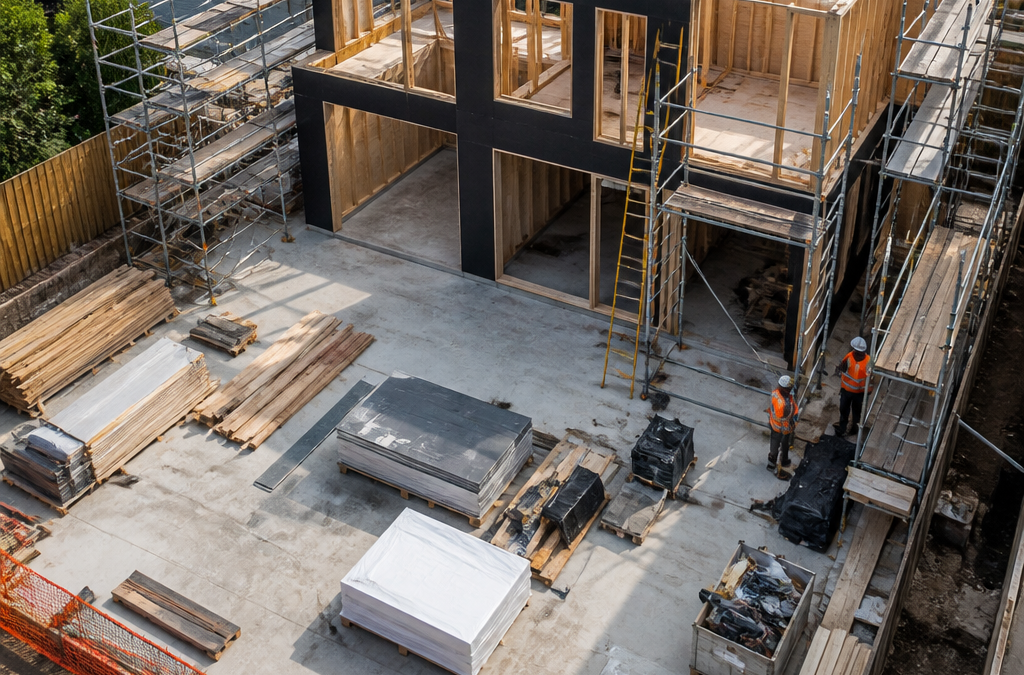
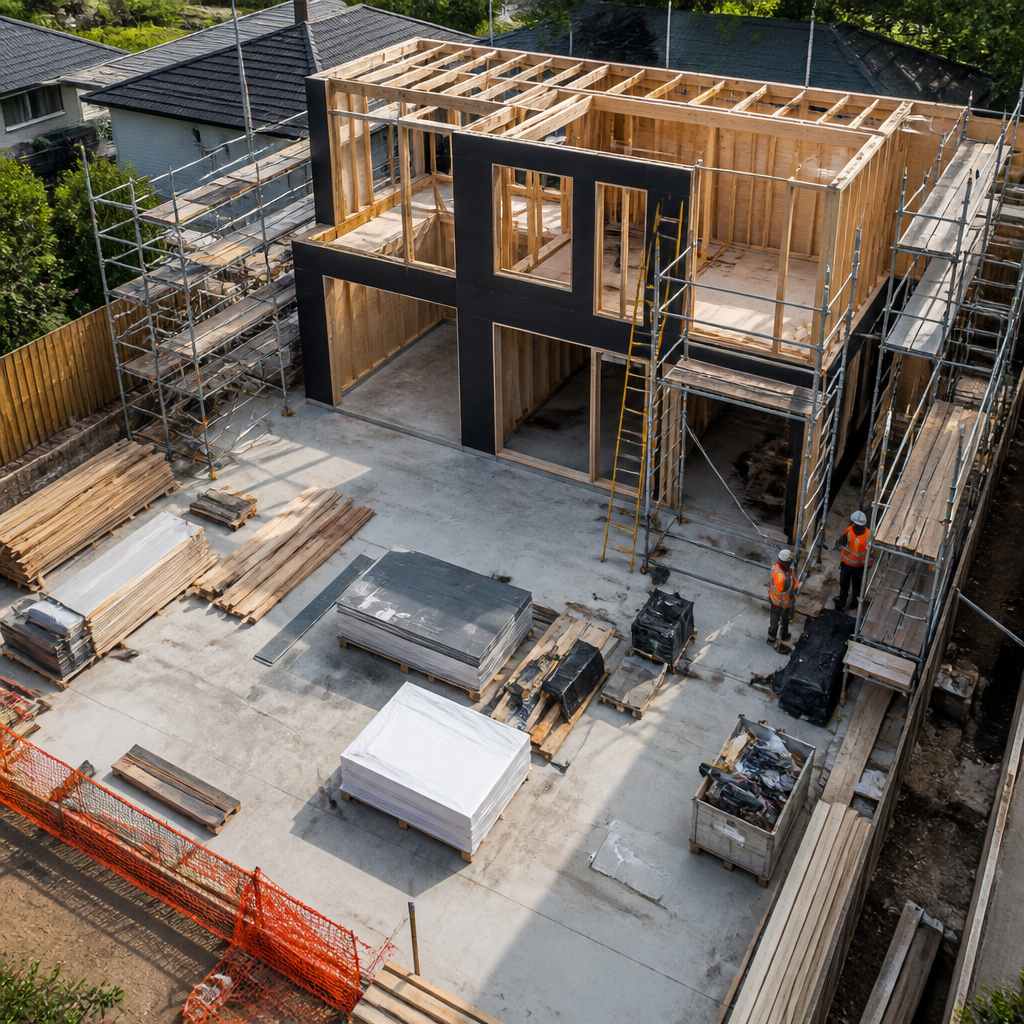
Signing off on a brand-new home without the right preparation is one of the most expensive decisions a buyer can make. Construction defects at handover are not rare edge cases reserved for dodgy volume builders. They turn up in high-end custom builds, entry-level estates in Logan and Ipswich, and off-the-plan apartments on the Gold Coast. The new home buyer mistakes covered in this article are not theoretical. They are the patterns that show up repeatedly when buyers reach practical completion without a clear plan, and they consistently lead to disputes, out-of-pocket rectification costs, and months of back-and-forth with builders. Every one of them is avoidable.
Table of Contents
- Quick Takeaways
- Mistake 1: Assuming a New Build Is Automatically Defect-Free
- Mistake 2: Skipping an Independent Pre-Handover Inspection
- Mistake 3: Booking the Inspector Too Late
- Mistake 4: Misunderstanding the Defect Liability Period
- Mistake 5: Accepting a Vague or Incomplete Defects Report
- Comparing Inspection Approaches: What Actually Works
- Frequently Asked Questions
- References
Quick Takeaways
| Key Insight | Explanation |
|---|---|
| New builds are not defect-free by default | Construction defects appear across all price points and builder types. A certifier sign-off does not equal a defect-free finish. |
| An independent inspector is not optional | The builder’s own quality checker works to facilitate handover, not to find defects on your behalf. Only an independent, licensed inspector has no conflict of interest. |
| Timing the booking wrong costs you leverage | If you wait until the builder calls to confirm handover, inspector availability is tight and the timeframe is compressed. Book as soon as practical completion is flagged. |
| The defect liability period is not a safety net | Post-settlement rectification is significantly harder. Trades are off-site, liability is contested, and you often fund repairs out of pocket while a complaint runs its course. |
| A vague report is nearly useless in a dispute | A report that lists “paintwork issues” without photos, trade responsibility, or standards references gives the builder room to do nothing. |
| The QBCC has strict complaint timeframes | In Queensland, non-structural defect complaints must be submitted within defined timeframes. Miss them and you lose recourse, regardless of how clear the defect is. |
| Photo-enhanced, trade-assigned reports speed up rectification | Reports that assign each defect to a specific trade allow builders to brief subcontractors directly, cutting re-inspection delays dramatically. |
Mistake 1: Assuming a New Build Is Automatically Defect-Free
This is the most widespread and most costly assumption a new home buyer can make. The logic feels sound: the home has never been lived in, the builder has a reputation, a private certifier has signed off at various stages. None of that guarantees the finished product is free of defects.
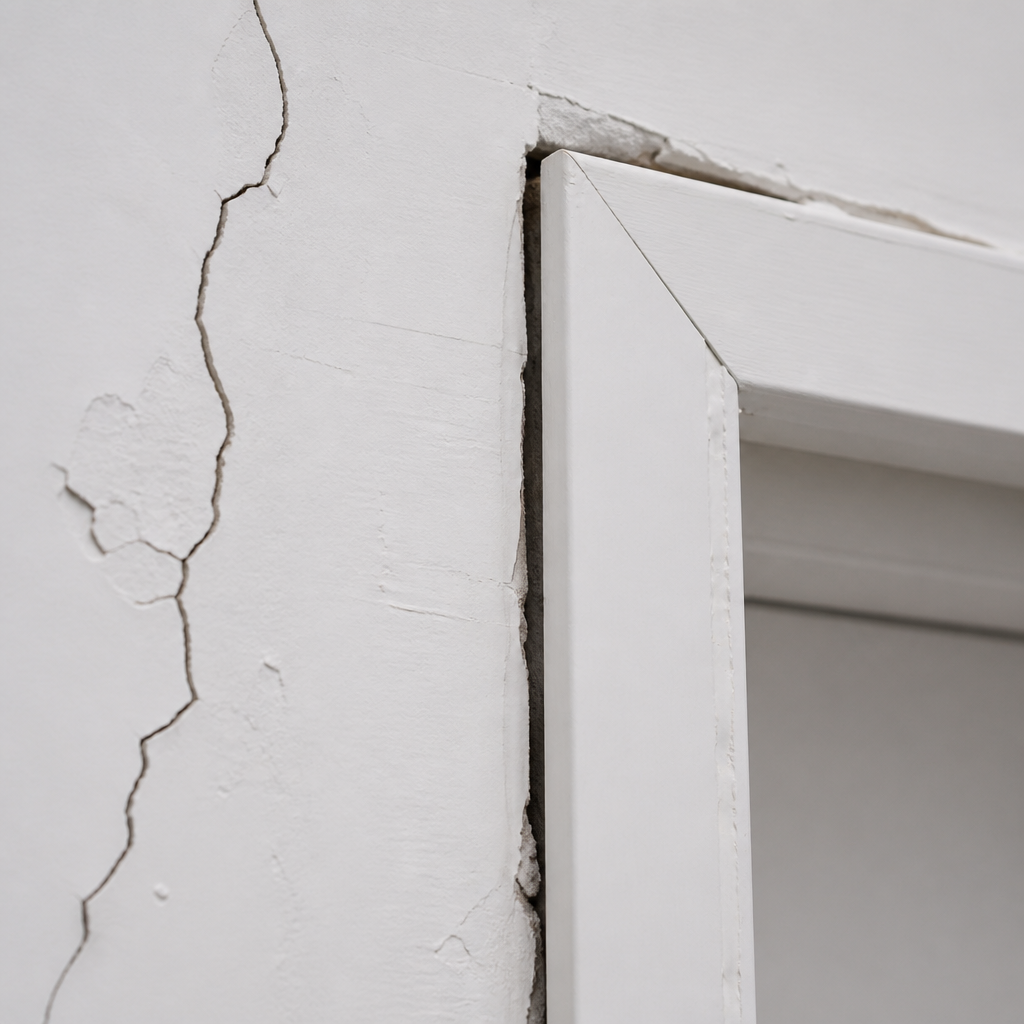
In practice, the South East Queensland construction market has been running at very high volume for several years. Cost pressure on builders from rising material and labour costs, combined with demand for fast completion, means quality control gaps appear even on well-managed sites. Defects found at handover across Brisbane, Gold Coast, Logan, Ipswich, and Redland Bay builds include misaligned doors and windows, inadequate drainage falls, incomplete waterproofing in wet areas, plasterboard cracks, roof space issues, and brickwork mortar problems. These are not catastrophic structural failures. They are the ordinary result of multiple trades working to tight schedules.
The certifier’s role is statutory compliance, not finish quality. A certifier confirms the home meets minimum code requirements. That is a different standard from the workmanship your contract specifies, and a very different standard from what you expect when you pay for a new home. Relying on the certifier’s sign-off as proof of quality is a fundamental category error.
The assumption that a brand-new home is automatically defect-free is one of the most common, and costly, mistakes new build buyers make. Construction defects at handover are common, and turn up across the market, from entry-level houses in outer suburban estates to premium apartments in the CBD.
The fix is straightforward: treat every new build as a product that requires independent verification before you accept it. That is exactly what a pre-handover inspection provides.
Mistake 2: Skipping an Independent Pre-Handover Inspection
Some buyers attend the handover appointment with the builder, walk through the home themselves, and sign off. Others rely on the builder’s own final quality check. Both approaches leave the buyer exposed in ways that are entirely avoidable.
Why the Builder’s Quality Check Is Not Enough
The builder’s internal quality inspection is conducted by their own team. Their inspectors are employed to facilitate handover, not to identify every defect on your behalf. That is not a criticism of any individual inspector. It is a structural conflict of interest. When the builder’s team identifies an issue, they face an internal pressure to determine whether it requires rectification before handover or can be managed under the defect liability period. An independent inspector faces no such pressure.
Independent inspectors consistently find defects that builder-conducted quality checks miss, particularly in areas like waterproofing, external cladding junctions, and roof space detailing. These are not minor cosmetic issues. Waterproofing failures in wet areas can cause thousands of dollars in damage that is not apparent until months after settlement.
What a Proper Pre-Handover Inspection Actually Covers
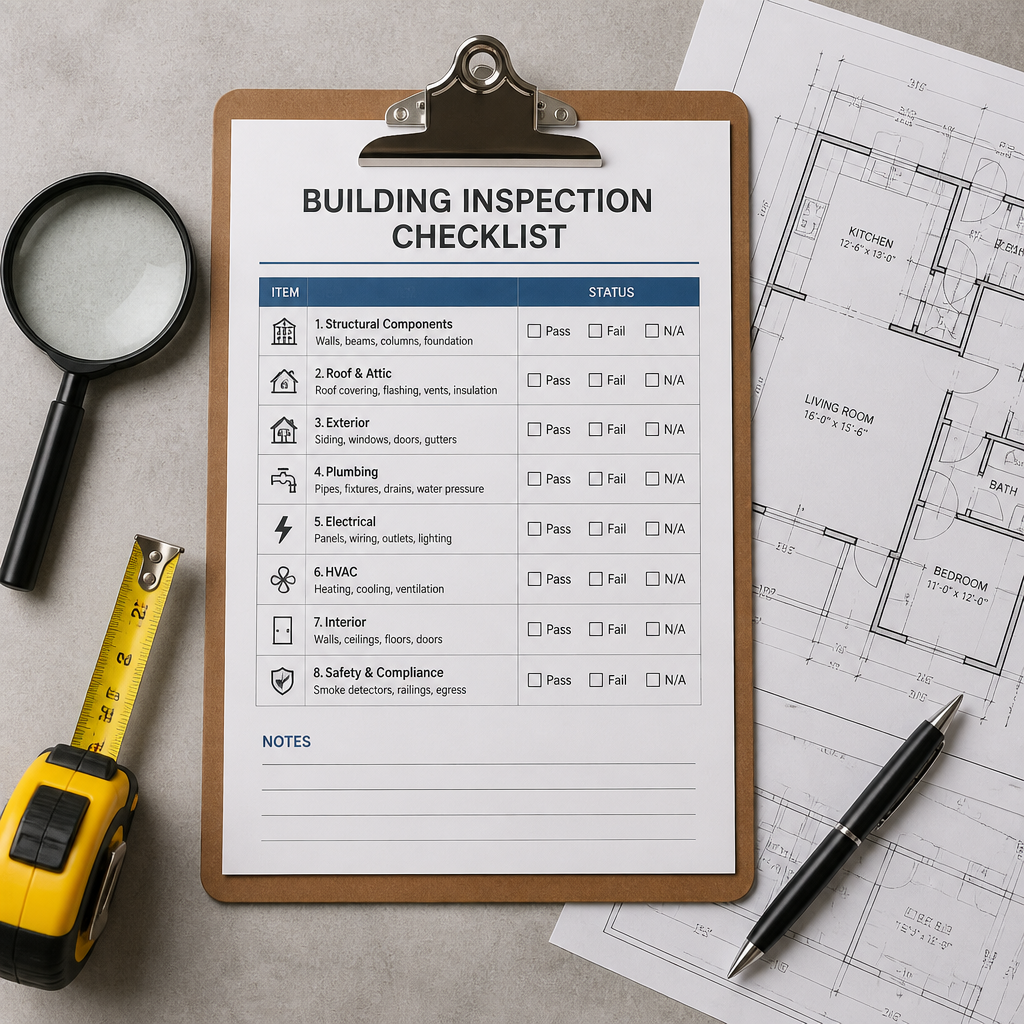
A quality pre-handover inspection covers every active trade: framing, brickwork, roofing, plastering, tiling, painting, joinery, wet areas, electrical fittings, plumbing fixtures, and external works. It uses the approved building plans, permits, and Australian Standards as the benchmark, not just a generic checklist. The inspection is not about preferences. It is about identifying work that does not meet the specifications in your contract or the applicable building standards.
For buyers building in Brisbane, Gold Coast, Logan, Ipswich, or Redland Bay, GoInspect’s licensed inspectors cover the full South East Queensland region and deliver same-day photo-enhanced reports that assign each defect to the responsible trade. Starting from $550 including GST, a professional inspection costs a fraction of what a single unresolved defect can cost to rectify post-settlement.
Pro tip: Ask any prospective inspector whether their report assigns defects to specific trades and includes photographic evidence for each item. If the answer is no, find a different inspector. A report that does not do both of these things is significantly harder to enforce.
Mistake 3: Booking the Inspector Too Late
The timing of your pre-handover inspection matters more than most buyers realise, and getting it wrong is surprisingly easy. The most common version of this mistake is waiting until the builder calls to confirm the handover meeting, then scrambling to arrange an independent inspection at the same time.
At that point, inspector availability is uncertain, the timeframe is compressed, and the builder has often mentally closed out the job. You are negotiating from a weak position before the inspection has even started.
When You Should Actually Book
Under Queensland building law, the builder must notify you two to three weeks before the expected practical completion date, and must provide formal written notice at least five business days before the inspection. That notification window is your booking trigger, not the handover appointment itself.
As soon as the builder notifies you that the home is approaching practical completion, contact your inspector. GoInspect recommends booking your independent inspection the moment that notification arrives, so your inspector can be scheduled well before the formal handover date. For most South East Queensland builds, this means booking approximately two weeks before the scheduled handover meeting.
This gives you enough time for the inspection to happen, the report to be issued, defects to be formally raised with the builder, and an opportunity for the builder to commit to a rectification schedule before you hand over final payment. That sequence only works if the inspector is booked early enough to make it possible.
Pro tip: Keep a paper trail. When your builder sends the practical completion notification, reply in writing to confirm you are arranging an independent inspection before handover. This establishes the timeline clearly and signals to the builder that you are taking the process seriously.
Mistake 4: Misunderstanding the Defect Liability Period
A significant number of buyers skip or rush through the pre-handover inspection because they believe the defect liability period (DLP) provides a safety net. It does not, or at least not the kind of safety net most buyers imagine.
What the DLP Actually Covers and What It Doesn’t
Under Queensland law, the builder has a 12-month defect liability period after practical completion during which they are required to fix defective work you notify them about in writing. That sounds comprehensive until you look at what happens in practice.
Post-settlement rectification involves re-engaging trades that are no longer on-site, disputing liability for issues the builder did not acknowledge at handover, and often funding repairs yourself while a formal complaint process runs its course. The Queensland Building and Construction Commission (QBCC) received more than 14,000 complaints from homeowners in the 2022-23 period, with defective building work consistently ranking as one of the top complaint categories. That number reflects what happens when issues are not documented before settlement.
Why Pre-Handover Documentation Is Your Real Protection
The DLP is a maintenance period for defects that become apparent after handover. It is not a substitute for identifying and documenting defects before you accept the home and make the final payment. Signing off without a formal defects list eliminates the clearest point of accountability entirely.
Once you have accepted the home, the dynamic shifts. The builder has been paid. The trades are off-site. Any defect you raise is now subject to dispute about whether it existed at handover or appeared afterwards. An independent inspection report issued before you sign off removes that ambiguity entirely. It establishes exactly what the condition of the home was on the day you were asked to accept it.
For structural defects, the QBCC has its own complaint timeframes, and missing them can forfeit your right to make a claim regardless of how clear-cut the defect is. This makes pre-handover documentation even more important: a properly dated inspection report is evidence that the defect existed before settlement, which is the foundational fact in any subsequent dispute.
Mistake 5: Accepting a Vague or Incomplete Defects Report
Not all inspection reports are equal, and accepting a low-quality report is almost as bad as having no report at all. This is the mistake buyers make when they focus purely on the cost of the inspection rather than the quality and enforceability of the output.
What a Weak Report Looks Like
A weak defects report lists issues in general terms without photographic evidence, without trade assignment, and without reference to the applicable Australian Standard or QBCC Standards and Tolerances Guide. An entry like “painting issues noted in living area” gives the builder every opportunity to argue about what “issues” means, which painter is responsible, and whether the standard cited is applicable. In a dispute, it is essentially useless.
What an Enforceable Report Looks Like
An enforceable defects report does four specific things. First, it identifies each defect clearly, including its location in the property. Second, it includes photographic evidence for every defect item. Third, it assigns responsibility to the specific trade accountable for rectification. Fourth, it references the standard the defect fails to meet, whether that is the NCC, an Australian Standard, or the QBCC’s own Standards and Tolerances guide.
GoInspect’s reports are built around this structure. Each defect is photographed, located, assigned to a trade, and benchmarked against the applicable standard. The builder receives a document that tells their site manager exactly which subcontractor needs to return and exactly what they need to fix. That specificity is what converts a defect list into an actionable rectification schedule, and it is what makes the report enforceable if the builder disputes any item.
Same-day reporting is also worth considering. A report that arrives three days after the inspection creates uncertainty during a period when you need clarity. GoInspect delivers same-day defect reports so buyers can review findings and engage their builder immediately, before the handover process moves forward.
Comparing Inspection Approaches: What Actually Works
Buyers often face a choice between three approaches at practical completion: doing their own walkthrough, relying on the builder’s quality check, or commissioning an independent licensed inspection. The differences in outcome are substantial.
| Approach | What It Covers | Enforceability in a Dispute |
|---|---|---|
| Buyer walkthrough only | Cosmetic items the buyer notices visually. Misses roof space, waterproofing, structural elements, drainage, and anything requiring technical knowledge or tools. | Very low. No formal report, no dated documentation, no standards benchmarking. Builder has no obligation to act on verbal feedback. |
| Builder’s internal quality check | Covers the builder’s own checklist. May identify obvious finish defects but is conducted by a team whose goal is completing handover, not finding every defect. | Low. Not independent. The report, if issued at all, is the builder’s document and reflects their interests. No use as evidence in a QBCC complaint. |
| Independent licensed inspection with photo-enhanced, trade-assigned report | Covers all active trades across the full property using approved plans and Australian Standards as the benchmark. Identifies defects the buyer and builder’s team routinely miss. | High. Dated, independent, photographic, standards-referenced. Directly usable in QBCC complaints and QCAT proceedings. Assigns rectification responsibility clearly. |
The choice is not really between three options of similar value. It is between having genuine protection and not having it. For buyers in Brisbane, Gold Coast, Logan, Ipswich, and Redland Bay, an independent inspection with GoInspect’s same-day reporting process is the only approach that provides documentation strong enough to enforce rectification before final payment.
Pro tip: Before your inspection, gather your approved building plans and your contract specifications. Forward them to your inspector in advance so they can benchmark the inspection against exactly what was promised to you, not just generic building standards. The combination of contract compliance and standards compliance is the most thorough basis for a defect claim.
Frequently Asked Questions
What is a pre-handover inspection and is it different from a regular building inspection?
A pre-handover inspection, also called a practical completion inspection (PCI), is a formal assessment of your newly constructed home carried out before you accept handover from the builder and make the final payment. It is specifically focused on construction quality, workmanship standards, completeness of work, and compliance with your contract and applicable Australian Standards. It is different from a standard building and pest inspection, which is designed to assess the condition of an existing property. A PCI benchmarks a new build against what was contracted and what the National Construction Code and Australian Standards require.
How much does a pre-handover inspection cost in Brisbane and South East Queensland?
Independent pre-handover inspection costs vary depending on the property type and size. GoInspect’s inspections start from $550 including GST for new homes across Brisbane, Gold Coast, Logan, Ipswich, and Redland Bay. In almost every case, the cost of a single unresolved defect, particularly in waterproofing, drainage, or structural elements, exceeds the inspection fee many times over. The inspection is not a cost. It is the cheapest form of insurance available at this stage of the build.
Can I refuse to sign off on handover if defects are found?
Yes. In Queensland, if a pre-handover inspection identifies genuine defects, you are entitled to refuse to accept handover until those defects are rectified or a formal agreement for rectification is reached. This is the most effective position to negotiate from, because the builder still wants final payment and the trades are still on-site. Attempting to exercise the same leverage after you have signed off and paid is significantly harder and less likely to produce a fast result.
What happens if defects appear after I have already accepted handover?
Under Queensland law, the builder has a 12-month defect liability period from practical completion during which they are required to fix defective work you notify them about in writing. For structural defects, longer timeframes apply. However, post-settlement rectification is slower, more contested, and often requires formal QBCC complaint processes. If the builder disputes that a defect existed at handover, the absence of a pre-handover inspection report means you have no dated, independent evidence. This is why documenting defects before acceptance is far preferable to relying on the DLP.
Do new home builders in Brisbane use standard defect report formats?
No. There is no single mandated format for a handover defect report in Queensland. Reports vary enormously in quality, from brief typed lists with no photos to fully structured, photo-enhanced documents that assign defects to specific trades and cite the relevant standard. The QBCC’s Standards and Tolerances Guide provides the benchmark for what constitutes a defect in Queensland, and reports that reference it explicitly are significantly more useful in any dispute. When choosing an inspector, always ask to see a sample report before committing.
What types of defects are most commonly found in new Brisbane builds?
Across South East Queensland builds, recurring defect categories include misaligned doors and windows, inadequate waterproofing in wet areas, incorrect drainage falls on external slabs and around the perimeter, incomplete or poorly finished plastering, painting defects, tiling issues, roof space items, and external brickwork or render problems. Even well-constructed homes regularly present some defects at handover. The point of the inspection is not to catch the builder out. It is to document what needs fixing before you are legally and financially committed to the home as delivered.
Is a pre-handover inspection worth it for an off-the-plan apartment as well as a house?
Absolutely. Off-the-plan apartment buyers face specific risks including finishes that do not match the approved plans, incomplete common areas, balcony and waterproofing issues, and defects that affect multiple owners. GoInspect provides customised inspection reports for high-rise developments as well as individual house and land packages across the Brisbane and Gold Coast markets. For apartment buyers, the pre-settlement inspection window is particularly important because once you take title, raising defects across a body corporate setting introduces additional complexity.
Have you been through the handover process in South East Queensland? Share what surprised you or what you wish you had known before the inspection, because your experience helps other buyers prepare more effectively.
References
- Handover inspection guide for new Brisbane builds: what buyers need to know about defects and timing
- Queensland Building and Construction Commission: official handover requirements, defect liability, and builder obligations
- Legal rights and obligations for Australian homeowners at pre-handover inspection
- Master Builders Queensland: what homeowners should do before moving into a new home
- Complete guide to defective building work in Queensland: QBCC complaints, timeframes, and legal protections