
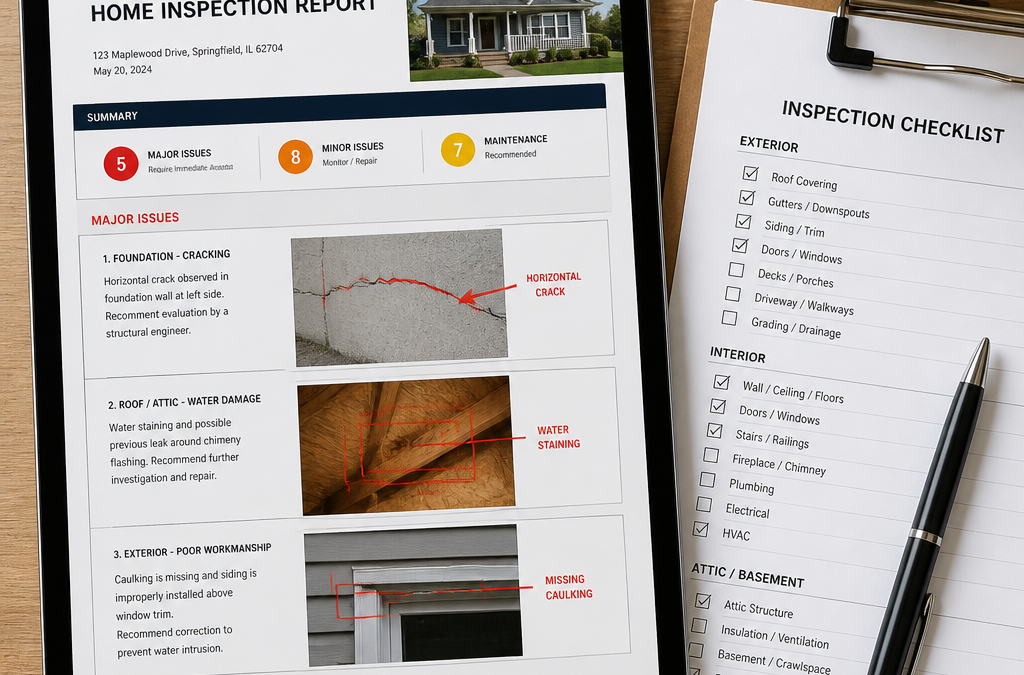
You have just received your pre-handover inspection report and it lists building defects. Now what? For most homeowners and investors, this is the moment panic sets in, but it should not. Finding building defects found at inspection is not a sign that your build has failed. It is a sign the inspection worked. The real question is what you do with that report in the next 48 to 72 hours, because the steps you take immediately after receiving it will determine whether those defects get fixed properly, whether your builder takes them seriously, and whether you have a documented record if escalation ever becomes necessary.
Table of Contents
- Quick Takeaways
- What the Report Actually Tells You
- How to Categorise Defects by Severity
- The Builder Defect Rectification Process, Step by Step
- What to Do After a Defect Report: The First 72 Hours
- When the Builder Disputes or Ignores the Defects
- QBCC Warranty Periods and Timeframes You Must Know
- Defect Resolution Approaches Compared
- Frequently Asked Questions
- References
Quick Takeaways
| Key Insight | Explanation |
|---|---|
| Your report is a legal document | A photo-enhanced defect report from a licensed inspector creates a formal, evidence-based record that a builder cannot easily dismiss during negotiations or at tribunal. |
| Do not sign off before defects are resolved | Signing the practical completion certificate before defects are acknowledged and listed transfers significant risk to you. Ensure all defects are documented in writing before handover is finalised. |
| Builders have a statutory 12-month defect liability period | Under Queensland law, a contractor must repair defects noticed at handover or within 12 months of when the work is finished. This period runs from practical completion, not from when you move in. |
| QBCC warranty covers structural defects for 6.5 years | The Queensland Home Warranty Scheme covers structural defects for six years and six months from the date of contract. Non-structural defects must be identified within 6 months of completion. |
| All defect communication must be in writing | A phone call to your site supervisor is not enough. Every defect notification must be sent as a written record, referencing specific items in the inspection report, with a clear requested response date. |
| Severity determines your response timeline | Structural and waterproofing defects demand immediate written notice and should not be deferred. Cosmetic issues can be tracked on a defects list and agreed before keys are exchanged. |
| Escalation to QBCC is a real option, not a last resort threat | The QBCC can issue a Direction to Rectify, giving the builder 35 days to fix confirmed defective work. This direction appears on the builder’s public licence history and carries real consequences. |
What the Report Actually Tells You
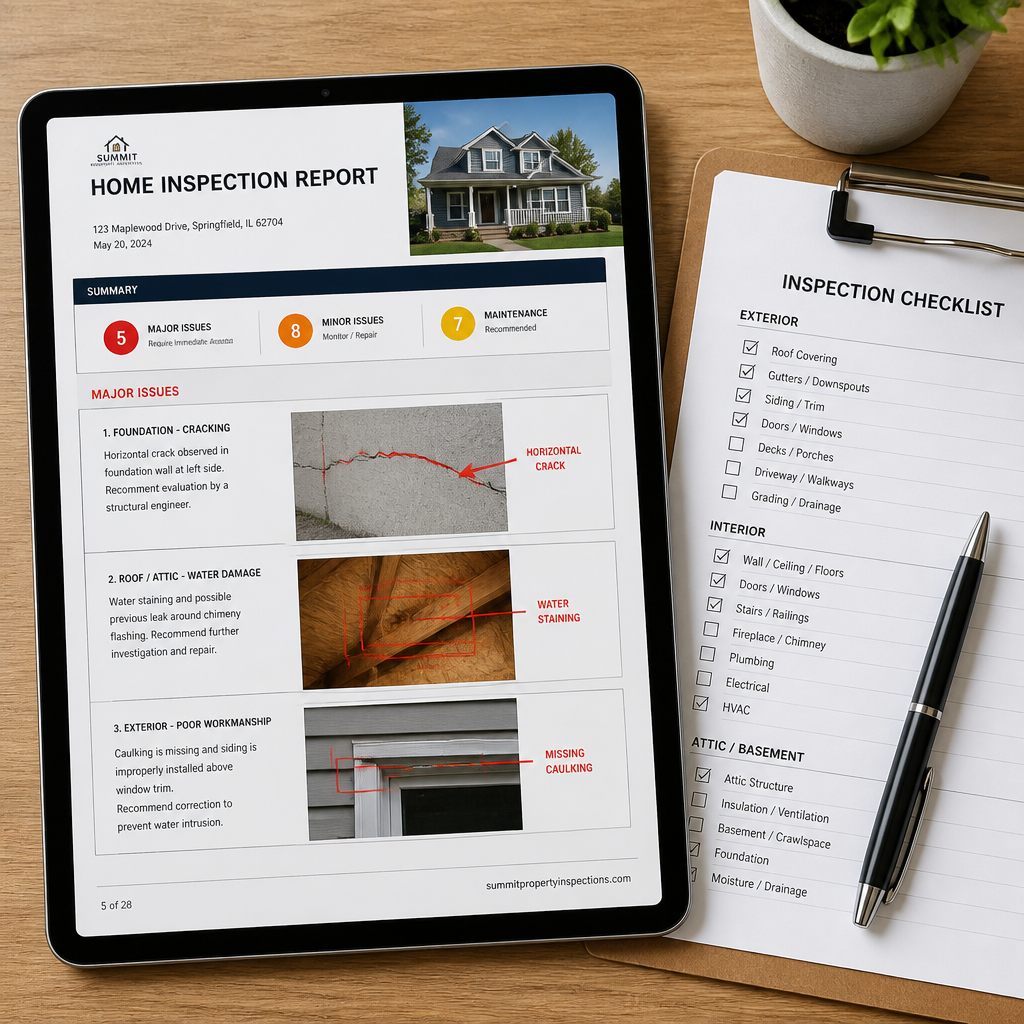
A professional pre-handover or practical completion inspection report does more than list problems. A well-structured report identifies each defect with photographic evidence, references the specific Australian Standard, National Construction Code clause, or contract specification the work fails to meet, and assigns responsibility to the relevant trade. That structure matters enormously once you need to use the report.
When GoInspect completes a new home inspection across Brisbane, the Gold Coast, Logan, Ipswich, or Redland Bay, the same-day report your inspector produces is formatted specifically to be handed to your builder, understood immediately, and actioned by their site team without ambiguity. The difference between a vague punch-list and a properly referenced defect report is the difference between your builder shrugging it off and your builder knowing they are legally accountable for every line item.
Read the report in full before contacting anyone. Understand which items are categorised as structural, major, or minor. Look at which trades are identified as responsible. That information shapes every step you take next.
How to Categorise Defects by Severity
Not every defect carries the same weight, and treating them all the same way slows the entire resolution process. The standard approach in new home construction separates defects into three tiers based on risk and impact.
Structural Defects
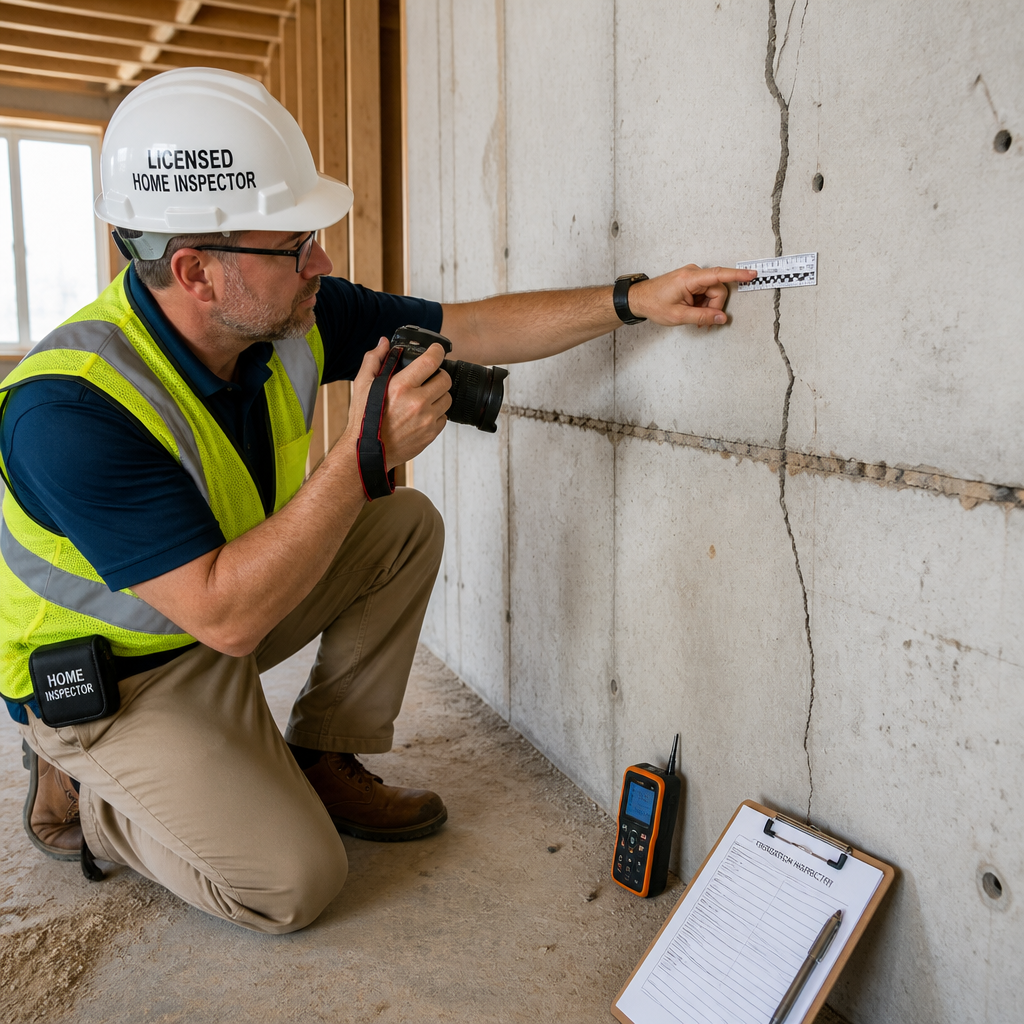
These affect the load-bearing integrity of the building, waterproofing, or anything that makes the dwelling unsafe or uninhabitable. Examples include cracked structural slabs, non-compliant roof framing, or failed waterproofing membrane installation in wet areas. These must be addressed before handover is accepted. Do not move into a property with unresolved structural defects regardless of what your builder tells you about fixing them after settlement.
Major Defects
Major defects are items that are significantly non-compliant with Australian Standards or the contract specifications but do not immediately threaten the structure. Examples include door frames out of plumb beyond acceptable tolerance, inadequate subfloor ventilation, or external cladding installed incorrectly. These should be listed formally, acknowledged in writing by the builder, and scheduled for rectification with a confirmed completion date before you accept the keys.
Minor and Cosmetic Defects
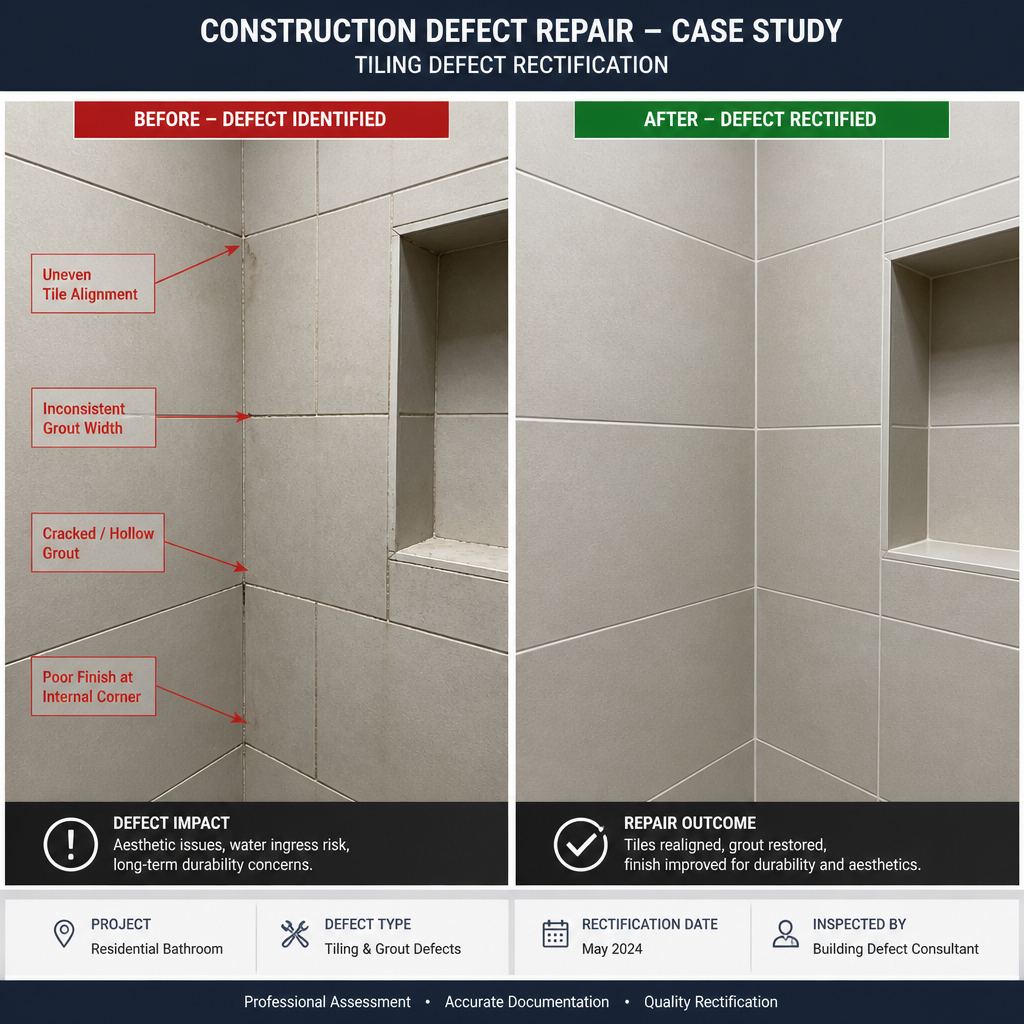
Paint holidays, scratched fixtures, uneven tile grout, and similar finish-level issues fall into this category. They are still defects and still need to be rectified, but they are managed through a defects list that becomes part of your handover documentation. A common mistake is accepting the keys without a signed defects list in place. Once you are in, the urgency for your builder to return and fix minor items drops sharply.
Pro tip: When reviewing your report, create a simple spreadsheet sorting defects by severity, the trade responsible, and the Australian Standard or NCC clause cited. Send this directly to your builder’s project manager, not just the site supervisor. Project managers have authority to allocate trades and approve rectification. Site supervisors often do not.
The Builder Defect Rectification Process, Step by Step
Understanding how the builder defect rectification process actually works prevents you from being strung along. Builders manage multiple sites and multiple defect lists simultaneously. The homeowners who get their defects resolved fastest are those who make the process easy to action and impossible to ignore.
Step 1: Submit the Defect Report Formally in Writing
Send the full inspection report to your builder by email, addressed to both the site supervisor and the project manager. Include a covering note that itemises each defect by the report’s own reference numbers, confirms the relevant standards cited, and states your requested response date, typically seven business days. Keep the email chain. This is your paper trail.
Step 2: Request a Written Rectification Schedule
Do not accept a verbal commitment. Ask the builder to provide, in writing, which items they accept responsibility for and a scheduled date for each trade to return. If the builder disputes any item, they must provide a technical reference explaining why the work is compliant. Asking for this in writing immediately separates the items that will be fixed from any items that may need escalation.
Step 3: Allow Reasonable Access for Rectification
Under Queensland law, property owners must provide reasonable access for contractors to undertake rectification work. Refusing access can complicate any future QBCC claim. Schedule the rectification visit during hours that work for you, confirm the booking by email, and note whether all identified items were addressed when the tradespeople attend.
Step 4: Re-Inspect Before Final Sign-Off
A re-inspection after rectification is not optional. It is how you confirm the work was done correctly, not just cosmetically patched. GoInspect provides detailed defect reports that can serve as both the initial record and the benchmark for a re-inspection. If re-inspection finds the same items not properly resolved, that creates a documented pattern that is highly relevant if the matter escalates.
Pro tip: Never pay the final contract payment until you have both a resolved defects list and a completed re-inspection confirming the work. Builders are most responsive to defect rectification requests when the final payment is still outstanding. Once you pay, your commercial leverage disappears.
What to Do After a Defect Report: The First 72 Hours
The period immediately after receiving your new home defect resolution report is the most important. How you respond in the first three days shapes the entire negotiation that follows. Here is what actually works.
First, read the report completely and calmly. Resist the urge to call your builder the moment you finish reading the summary page. Understand every item before you contact anyone, so you can speak to the report with confidence rather than emotion.
Second, identify any items that are potential deal-breakers for settlement. Structural defects, failed waterproofing, and any safety non-compliance must be escalated to your conveyancer or solicitor immediately if settlement has not yet occurred. Your solicitor needs to know that documented defects exist before you are asked to settle.
Third, send your formal written notification to the builder. Reference the inspection report, list the defects by category and severity, cite the specific standards where the report does so, and request a written response within seven business days confirming which items will be rectified and when.
A defect report transforms a verbal concern into a formal, evidence-based record. That documentation becomes your primary tool for requesting rectification and, if needed, for supporting any formal dispute or claim.
Fourth, do not sign the practical completion certificate under duress. You are entitled to have all identified defects acknowledged in a defects list before you sign. If your builder is pressuring you to sign immediately or insisting defects will be fixed afterwards without anything in writing, that is a warning sign, not a reason to comply.
When the Builder Disputes or Ignores the Defects
It happens. Some builders dispute findings, delay responses, or simply stop communicating. Knowing your escalation path in advance removes the sense of powerlessness that often leads homeowners to accept poor outcomes.
Builder Disputes a Defect Finding
If a builder disputes any item in your defect report, require them to provide a written technical response citing why the work meets the applicable standard. In the absence of a technical reference, the Australian Standards and NCC clauses cited in the report take precedence. A builder who refuses to provide any written technical basis for disputing a finding is on very weak ground legally.
Builder Fails to Respond or Delays
If the builder does not respond within your stated timeframe, send a formal written follow-up noting the original notification date and requesting a response within a further five business days. State clearly that failure to respond will result in a complaint to the QBCC. This is not a bluff. It is the next step in a defined process.
Escalating to the QBCC
The Queensland Building and Construction Commission is the state authority for building disputes. If your builder fails to address defective work after reasonable written notice, you can lodge a complaint with the QBCC. The QBCC can arrange a site inspection, work with both parties to reach an outcome, and issue a Direction to Rectify giving the builder 35 days to fix confirmed defective work. That direction appears on the builder’s public licence history, which is a meaningful consequence for any licensed contractor.
If a direction is issued and the builder delays or obstructs compliance, they can receive a fine or face prosecution. If both parties remain in dispute after the QBCC process, either party can apply to the Queensland Civil and Administrative Tribunal (QCAT).
QBCC Warranty Periods and Timeframes You Must Know
Missing a warranty deadline in Queensland can extinguish your rights to claim, regardless of how serious the defect is. These timeframes are non-negotiable and the most common reason homeowners lose entitlements they should have had.
The Queensland Home Warranty Scheme covers structural defects for six years and six months from the date of contract, and this protection remains in place even if the property is sold. For non-structural defects, you must notice the defect within six months of practical completion and lodge your claim within seven months. A contractor must also repair any defects noticed at handover or within 12 months of when the work is finished, which is the standard defects liability period under Queensland building contracts.
The practical implication is that a pre-handover inspection is your most important tool for capturing defects within the statutory window. Defects you do not document at practical completion may fall outside your claim rights by the time you get around to addressing them.
For new home defect resolution in Australia, different states have different warranty structures. In Queensland, the QBCC administers the scheme. If your investment property is in another state, the relevant state authority applies. GoInspect serves the South East Queensland market specifically, covering Brisbane, the Gold Coast, Logan, Ipswich, and Redland Bay, where QBCC rules apply directly.
Defect Resolution Approaches Compared
When building defects are found at inspection, there are three broad approaches homeowners and investors take. Each has different implications for speed, cost, and legal protection.
| Approach | How It Works | Best Used When |
|---|---|---|
| Direct Negotiation with Builder | Submit the defect report formally in writing, request a rectification schedule, and track resolution with a signed defects list. Re-inspect after rectification before final payment is released. | The builder is responsive, the defects are minor to major (not structural), and the relationship is still functional. This is always the first step and resolves the majority of cases. |
| QBCC Complaint and Direction to Rectify | Lodge a formal complaint with the QBCC after the builder fails to respond or disputes findings without technical basis. The QBCC can inspect and issue a binding Direction to Rectify with a 35-day timeframe. | The builder is unresponsive, disputes defects without technical evidence, or repeatedly defers rectification beyond reasonable timeframes. Use this before attempting tribunal action. |
| QCAT Tribunal Proceedings | After the QBCC process concludes, either party may apply to QCAT for a binding order requiring rectification or financial compensation for the cost of repair. | The QBCC process has been completed and the dispute remains unresolved. QCAT is appropriate for defects of significant financial or structural value where builder rectification is no longer a viable option. |
Frequently Asked Questions
Can I refuse to settle on my new home if defects are found at inspection?
Yes, in most circumstances. If a pre-settlement inspection reveals defects that are significant, you have grounds to delay settlement until those defects are either rectified or formally acknowledged in a written defects list with a committed repair schedule. Structural defects and safety non-compliance items are the clearest grounds for withholding settlement. Always involve your solicitor or conveyancer when making this decision, as the specific terms of your building contract determine your exact rights.
What is the difference between a defects list and a defect report?
A defect report is a detailed inspection document produced by a licensed building inspector, containing photographic evidence, identified defects, references to relevant Australian Standards or NCC clauses, and trade responsibility assignments. A defects list is the simplified summary document, often agreed between owner and builder at handover, that lists outstanding items to be rectified after keys are exchanged. A professional defect report supports and informs a defects list but is a far more robust legal document if matters escalate.
How long does a builder have to fix defects in Queensland?
A contractor in Queensland must repair any defects noticed at handover or within 12 months of when the work is finished. This is the standard defects liability period under Queensland building contracts. For structural defects under the Queensland Home Warranty Scheme, the coverage period extends to six years and six months from the date of contract. For non-structural defects under the warranty scheme, you must identify the defect within six months of completion and lodge any claim within seven months.
What happens if the builder refuses to fix defects after a formal request?
If a builder refuses to fix defects after a formal written request, you can lodge a complaint with the QBCC. The QBCC can arrange a site inspection and, if the work is found to be defective, issue a Direction to Rectify requiring the builder to fix the work within 35 days. This direction appears on the builder’s public licence history. If the builder does not comply, they face fines or prosecution. If the QBCC process does not resolve the matter, either party can apply to QCAT for a binding tribunal decision.
Do I need a separate inspection for high-rise or apartment developments?
Yes. High-rise and multi-unit developments have significantly different inspection requirements compared to detached housing. Common property, shared services, building envelope waterproofing, fire compliance systems, and developer-specific defect management processes all require inspection by someone with direct experience in high-rise construction. GoInspect provides customised inspection reports for high-rise developments specifically, which address the different defect categories, trade responsibilities, and regulatory requirements that apply to apartment buildings in South East Queensland.
Is it worth getting a re-inspection after defects have been rectified?
Every time. Builders under commercial pressure to close out defect lists sometimes carry out cosmetic repairs rather than genuine rectification. A re-inspection confirms whether the underlying issue has been addressed or just made to look like it has. It also provides a second dated document confirming the state of the property after rectification, which is important if the same defect recurs within the warranty period. Do not rely on a site supervisor’s verbal confirmation that everything has been fixed.
What if my building contract says defects must be reported within a specific timeframe?
Read your contract carefully. Many building contracts include their own defects notification periods, which may be shorter than the statutory minimums. Even if the contract is silent on this, the QBCC rules and warranty scheme apply independently of contract terms. However, failing to notify within a contractual timeframe may limit your remedies under the contract specifically, even if statutory rights remain. This is another reason why getting a pre-handover inspection and acting on the report within days, not weeks, is so important.
Have you recently received a defect report on your new home or investment property? Share what happened and how you navigated the rectification process with your builder in the comments below.
References
- QBCC guide to practical completion inspections and builder obligations in Queensland
- QBCC defective work dispute resolution process and Direction to Rectify explained
- Queensland Home Warranty Scheme coverage periods and structural defect insurance explained
- What happens when a stage inspection finds defects: documentation and rectification process
- QBCC timeframes for home warranty claims and defective work in Queensland