

Buying a new home between Coolangatta and Tugun looks straightforward on paper: a fresh build, a builder warranty, and a handover date on the calendar. In practice, salt-laden coastal air, tight infill blocks and a paperwork trail that can cross a state border mean defects often hide in plain sight until you have moved in.
A new home inspection Coolangatta buyers can rely on has to be scoped for this coastline, not copied from a generic checklist. This guide covers the defects we see most on southern Gold Coast handovers, the timing that protects your position, and what a useful report should contain before you accept keys or settle.
Table of Contents
- Quick Takeaways
- Why Southern Gold Coast New Builds Need a Different Checklist
- Coastal Defects to Check Before Handover
- Handover Timing and Paperwork
- Property Types Between Coolangatta and Tugun
- Choosing an Inspector for Coastal New Builds
- Getting Defects Fixed Without a Long Fight
- Comparing Ways to Inspect a New Home
- Frequently Asked Questions
- References
Quick Takeaways
| Key Insight | Explanation |
|---|---|
| Book the first inspection before the final clean | Dust sheets, tools and site rubbish hide scratches, unfinished grout and misaligned skirting. Booking before cleaning gives the builder time to fix what you find. |
| Check external metal first | Balustrade fixings, flashing and window hardware corrode faster close to the surf. Look for rust streaks and bubbling paint before you look at finishes. |
| Confirm which state’s rules apply | Coolangatta sits in Queensland, while Tweed Heads and the wider Tweed area are in New South Wales. The final certificate and dispute path depend on which side of the border the home is on. |
| Separate house defects from civil works | Council hold point inspections cover civil works such as driveways, kerbing and stormwater connections. They do not replace an inspection of the dwelling. |
| Assign every defect to a named trade | A list that says “builder to fix” invites subcontractors to bounce items back and forth. A named trade on each line gets booked faster. |
| Re-inspect and photograph every fix | Compare each rectified item against the original photo, and do not sign off a defect you have not seen fixed. |
Why Southern Gold Coast New Builds Need a Different Checklist
The southern end of the Gold Coast, from Coolangatta through Tugun and out toward the Tweed Coast, is a different building environment from inland areas like Logan or Ipswich. Many homes sit close enough to the ocean that salt spray reaches exposed surfaces regularly. That changes which defects show up first, and a builder who has not adjusted specifications for the coast will often see problems within the first year.

Salt exposure on external metal
Start with balustrade fixings, handrail brackets, cladding fasteners and window hardware. Stainless steel grades matter here, because a fitting that looks stainless but has rust bleeding from its base is a warning sign. Ask the builder for the specification sheet and check that the fixings on the balcony match what was promised.
Pay attention to where dissimilar metals touch. Aluminium and steel in direct contact, or fixings that sit in a wet pocket, tend to fail first. These are small details, but they are the ones that turn a cosmetic issue into a repair bill.
Lot shape and infill pressure
Many southern Gold Coast homes sit on narrow or irregular lots created by subdivision or infill. Tight setbacks mean retaining walls, boundary drainage and fence footings are where things go wrong. Walk the perimeter after rain, not only on a dry inspection day, and note any ponding against the slab edge or water running toward a neighbour’s fence.
Two states, two sets of paperwork
Coolangatta is in Queensland, while Tweed Heads and the wider Tweed area are in New South Wales. If you are buying on the Tweed side, the regulator, the certificate and the dispute path are different, so confirm them before you sign. A buyer who assumes Queensland rules apply across the border can lose weeks chasing the wrong office.
Coastal Defects to Check Before Handover
Most defects we flag on coastal handovers are not structural. They are finishing and corrosion issues that look minor on the day and become expensive within a year. The checks below focus on the places where the coast is hardest on a build.
Corrosion at fixings and penetrations
Check every roof penetration, flashing junction and exposed fastener. Rust streaks below a fixing, bubbling paint on a metal gutter, or a bracket that has started to weep are early warnings. Record the exact location and the responsible trade, so the defect cannot be blamed on the weather later.
Pro tip: Bring a magnet to the walk-through. It can quickly flag fittings that are plain steel rather than stainless, and that is a conversation to have with the builder before handover, not after the first storm.
Waterproofing in wet areas and balconies
Waterproofing failures cause the most hidden damage. Stand in the shower and look for water pooling at the waste or along wall junctions. On balconies, check the upturn height at the doorway, the drainage outlets, and whether the grout looks sealed or cracked. Sand and grit can clog outlets within months of handover, so ask whether they have been cleared.
Key insight: On a coastal handover, the most expensive defects are usually the ones covered by plasterboard, tiles or flashing before anyone photographed them.
Doors and windows finish the list. Sliding doors that drag, sills that trap water, and screens that do not seat properly are common on new coastal builds. Test every lock and open every window fully, because hardware that works on the day can fail under wind-driven rain.
Pro tip: Ask the builder to run the shower and taps for several minutes during the inspection. Water flowing for longer than a quick test often reveals a leak that a dry visual check misses.
Handover Timing and Paperwork
Timing decides how much leverage you have. Once you have settled, the builder has little incentive to hurry, and your practical options narrow. Book your inspection at the stage when fixes are still easy for the builder to make.
Pre-handover versus pre-settlement
A pre-handover inspection happens when the builder says the home is ready for possession. A pre-settlement inspection happens closer to your settlement date, when your lender and conveyancer are already involved. The strongest approach is a pre-handover visit followed by a short recheck before settlement. Use the first to find defects and the second to confirm they are fixed.
What council inspections cover
Gold Coast City Council publishes its civil works inspection process, which includes a pre-start meeting, Hold Point inspections that must be booked before work proceeds, and a maintenance inspection at practical completion or final defects. Those inspections focus on civil works such as driveways, stormwater and kerbing. They do not replace an inspection of the dwelling itself, so ask your builder for the council sign-off paperwork covering the works outside the front of the house.
Documents to request from the builder
Ask for the final certificate for the home, plumbing and electrical compliance records, product warranties for windows and appliances, and any as-built plans. Missing paperwork is a red flag. It is far easier to chase before settlement than after you have moved in.
Property Types Between Coolangatta and Tugun
The housing stock across these suburbs is mixed. Detached houses on older subdivided lots sit alongside newer townhouses, low-rise apartments and investment units. Each type carries different defect risks, and the inspection scope should change with it.
Most buyers focus on the unit or house they are buying and forget the shared parts. In multi-unit developments, that is often where the trouble sits.
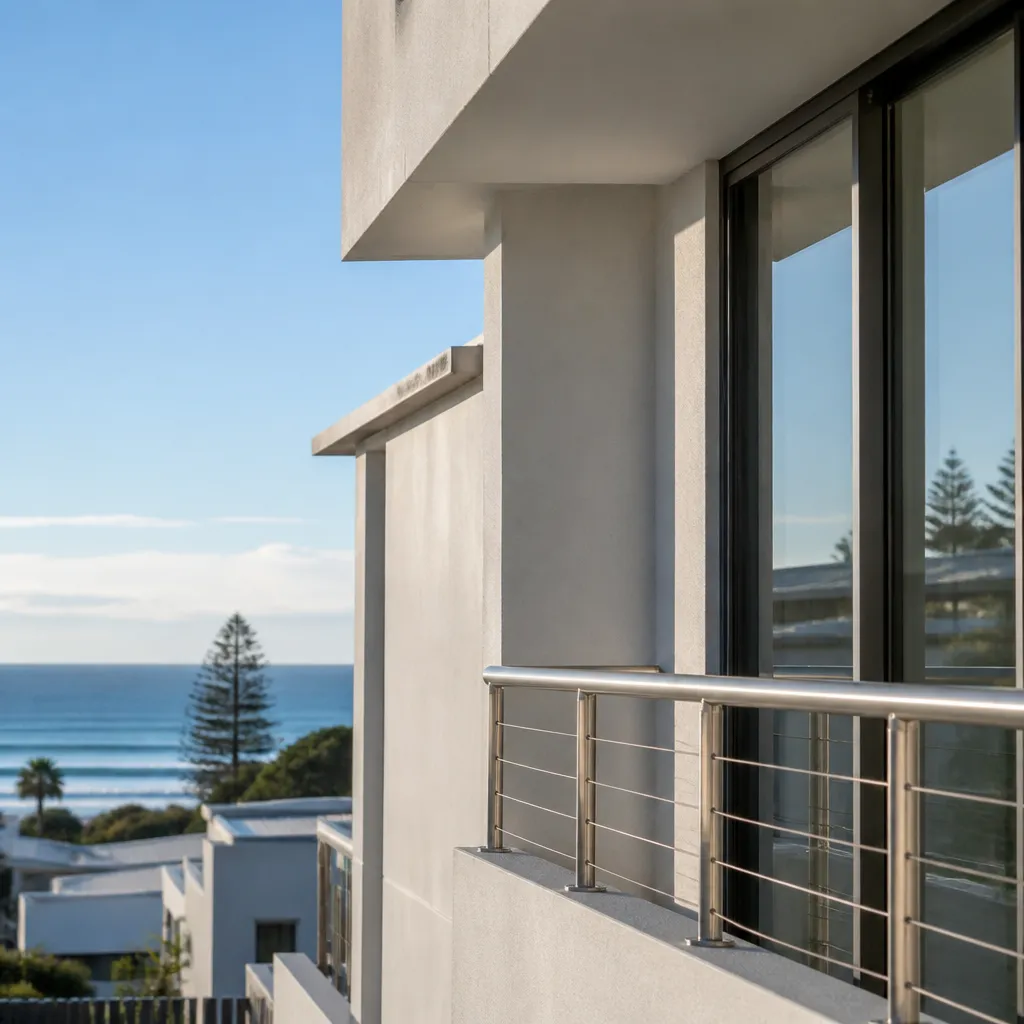
Detached houses on subdivided lots
Detached homes carry the risks of the lot itself: drainage, retaining, boundary fences and the driveway connection. Check finished surface levels against the approved plans, and look at where downpipes discharge. A downpipe that ends at the side of a slab is a common cause of moisture problems within months.
Townhouses and low-rise units
With attached dwellings, shared walls, roofs and stormwater pits matter as much as internal finishes. Ask who owns and maintains each shared element, and whether the body corporate has a defect process in place. Ask the builder to show evidence of the fire separation details between units, because those are difficult to check once walls are lined.
Investor and holiday-let properties
Investors often buy at handover and rent quickly, so durable finishes matter more. Check door hardware, tap cartridges, window locks and appliance connections, because the first tenant will test all of them. A focused inspection on those items can prevent an expensive turnaround between leases.
Choosing an Inspector for Coastal New Builds
The inspector matters more than the report template. A fully licensed inspector who understands both coastal exposure and handover paperwork will catch defects a generic checklist misses. Ask how each defect is documented and whether the report is delivered the same day.
Independence and licensing
Ask who books and pays for the inspection. If the builder arranges it, the report may still be honest, but you should know that before you read it. Confirm the inspector is fully licensed for residential work and carries current professional insurance.
What a useful defect report contains
A useful report lists each defect with a photo, a location, a severity rating, the responsible trade and a clear description of the fix. Vague notes like “paint finish poor” give builders room to argue. A photo of the exact spot, with the trade named, gets fixed faster.
GoInspect’s photo-enhanced reports assign responsibility to specific trades and are delivered same day, which keeps the defect list moving while crews are still on site. Pricing for a standard inspection starts from $550 including GST, and the final quote depends on the scope you need.
Pro tip: Book the inspection on a weekday morning, when the builder’s trades are still on site or can be called back. Defects logged while the right trade is available tend to close in a single visit.
Getting Defects Fixed Without a Long Fight
A defect list is only useful if it leads to repairs. The goal is a written, dated list the builder accepts, a schedule for each fix, and a clear re-check. Without all three, defects drift into the maintenance period and become harder to hold the builder to.
Assigning defects to the right trade
Tie each defect to a trade such as waterproofer, tiler, plasterer, carpenter, roofer or glazier. When a list says only “builder to fix”, subcontractors can pass items back and forth. A named trade on each line item gets booked, and the builder can see exactly who is responsible.
Re-inspection and sign-off
Schedule a re-inspection once the builder reports the fixes complete. Compare each item against the original photo, not against memory. Keep dated photos of every rectified item, and do not sign off a defect you have not seen fixed.
If a builder stalls, put the defect list in writing, refer to the defect process in your contract, and escalate to the regulator. In Queensland that is the Queensland Building and Construction Commission. Across the border, the equivalent is NSW Fair Trading. Keep copies of every email, because regulators respond far better to a dated list than to a phone complaint.
Comparing Ways to Inspect a New Home
Buyers usually weigh three options. The builder’s own walk-through is free but not independent. A single independent inspection at handover is the most common choice. Staged inspections run at several build milestones. Each has a place, and the right one depends on the size of the home and how much risk you are carrying.
For a standard house with a conventional build program, one independent inspection before handover plus a recheck before settlement covers most needs. For a townhouse project or a build with complex waterproofing, staged inspections catch problems while they are still visible.
| Approach | Best for | Watch out for |
|---|---|---|
| Builder’s handover walk-through | Confirming the home is ready for the final clean | The builder controls the list and the timing, so defects that were never raised can slip through. |
| Single independent pre-handover inspection | Standard houses and most townhouses | Late bookings compress the time available for repairs before settlement, so book early. |
| Staged inspections at key build stages | Complex builds, larger developments and multi-unit projects | Costs more, and each visit needs coordination with site access and trade schedules. |
Single visit versus staged inspections
Staged inspections are most useful before walls are lined and wet areas are tiled, because those are the points when hidden defects become impossible to check without damage. A single handover visit is usually enough when the build is simple and the builder has a clear quality record on similar homes.
Why the builder walk-through is not enough
A builder walk-through is useful for quickly finding finishing items. It is not designed to be your evidence file. Ask for the independent report, photos and defect list in writing, because those documents carry far more weight if a dispute starts.
Frequently Asked Questions
How early should I book a new home inspection in Coolangatta?
Book as soon as the builder confirms a handover date, and aim for a visit before the final clean. That gives the builder time to fix defects while trades are still engaged, and it leaves room for a recheck before settlement.
Does a pre-settlement inspection replace a handover inspection?
No. A handover inspection finds defects while the builder can still act on them quickly. A pre-settlement recheck confirms that the agreed fixes were completed. Doing only the second leaves you with less time and fewer options.
Do Queensland rules apply to a home in Tweed Heads?
No. Tweed Heads and the wider Tweed area are in New South Wales, so the regulator, certificates and dispute process are different from those on the Gold Coast. Confirm the applicable rules for the property before you sign anything.
What coastal defects are most common on new homes?
Corrosion on fixings, flashing and window hardware is the most common finding near the coast. Waterproofing in wet areas and balconies, and sliding doors that do not seal, are close behind. These issues are easy to miss on a dry, quick walk-through.
Does council inspection cover the inside of my house?
No. Gold Coast City Council’s civil works inspections focus on works such as driveways, stormwater and kerbing, with Hold Point inspections and a maintenance inspection at practical completion or final defects. The dwelling itself still needs its own independent inspection.
How much does a new home inspection cost on the southern Gold Coast?
GoInspect pricing starts from $550 including GST. The final quote depends on the scope you need, so describe the property type and any staged visits when you request a quote.
If you have bought a new home between Coolangatta and Tugun, share the defect that surprised you most at handover, because that experience helps other buyers know what to check.
We would love your feedback and any insights you would share with others. What perspective would you add?
References
- Gold Coast City Council guide to civil works inspections and Hold Point bookings
- Gold Coast custom home builders guide covering coastal durability, approvals and site costs