
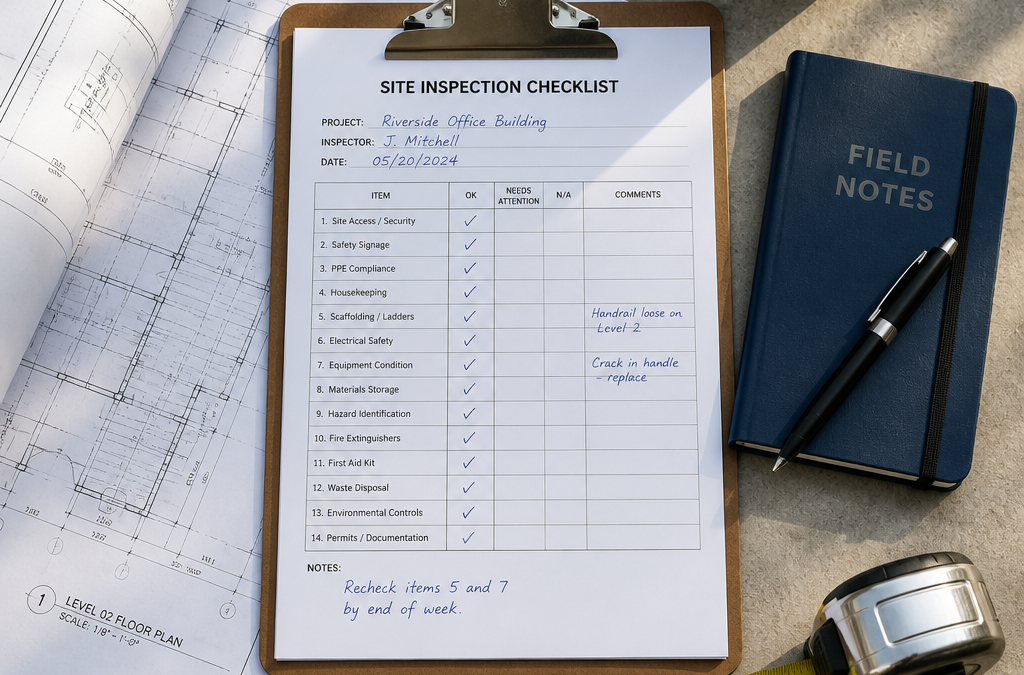
Most Brisbane homeowners assume their builder is handling every quality check during construction. That assumption costs real money. The certifier inspections required under Queensland law confirm minimum code compliance, but they were never designed to protect your interests as the client. Understanding every new home build inspection stage in Brisbane means the difference between picking up defects while concrete is still being poured and discovering them after you have signed off and moved in. This guide gives you the exact inspection timeline, explains what each stage actually covers, and tells you when to book each one so nothing slips through.
Table of Contents
- Quick Takeaways
- Mandatory Certifier Inspections vs. Independent Inspections: Know the Difference
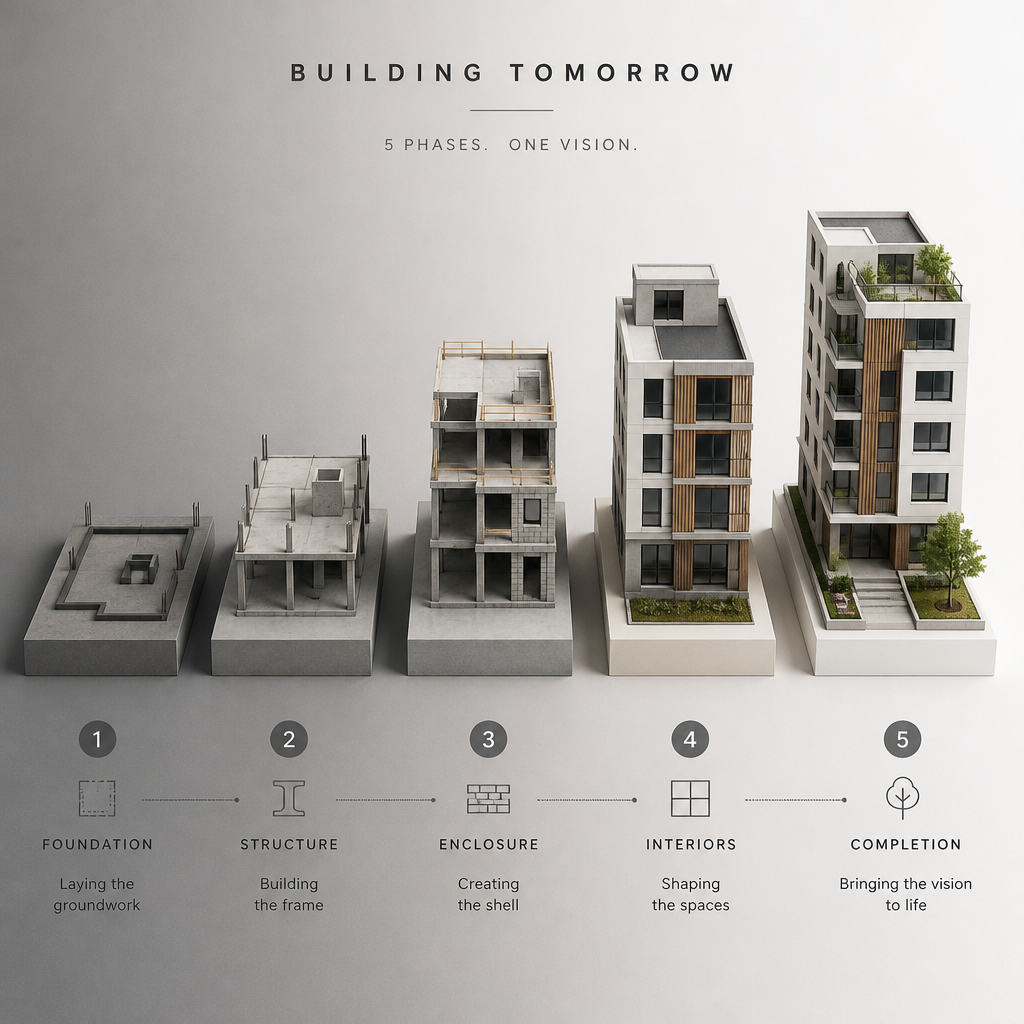
- The Five Queensland Build Stages Explained
- When to Book Each Independent Inspection
- The Pre-Handover Practical Completion Inspection: Your Last Line of Defence
- Comparing Inspection Approaches: What Each Covers
- Common Mistakes Brisbane Homeowners Make With Build Inspections
- Frequently Asked Questions
- References
Quick Takeaways
| Key Insight | Explanation |
|---|---|
| Queensland law mandates five certifier stages | The Building Regulation 2021 requires certifier sign-off at excavation, footing, slab, frame, and final stages for every new Class 1a house in Brisbane and Southeast Queensland. |
| Certifier inspections are not enough on their own | The certifier checks code compliance on behalf of the approval authority, not on your behalf. They will not document every workmanship defect or unfinished trade item. |
| Book independent inspections before concrete is poured | At slab and footing stages, defects become impossible or extremely expensive to fix once concrete is down. Independent checks at these points are the highest-value inspections in the timeline. |
| The frame stage is the most defect-dense point in a new build | Structural timber alignment, bracing, and connection hardware issues are far more common at frame stage than most homeowners expect, and they are invisible once the walls are lined. |
| A pre-handover inspection must happen before you sign the defects list | Queensland building contracts allow practical completion to be called with minor defects still present. Your signed defects list is the legal document that defines what gets fixed. |
| Photo-enhanced reports speed up defect rectification | When defects are photographed and assigned to specific trades, builders can action reports faster. Plain text reports create disputes about scope and location. |
| High-growth corridors carry extra risk | In Logan, Ipswich, and Redland Bay, rapid build volumes and stretched trade schedules mean workmanship defects appear more frequently. Independent inspections throughout the build are especially worthwhile here. |
Mandatory Certifier Inspections vs. Independent Inspections: Know the Difference
There are two completely separate inspection streams running in parallel on every Brisbane new build. Conflating them is the single most common misunderstanding among first-time homebuilders.
The first stream is mandatory under Queensland law. Under the Building Regulation 2021, licensed building certifiers must inspect every new single-detached home (Class 1a) at five prescribed stages: excavation, footing, slab, frame, and final. At each stage, your builder notifies the certifier, who attends site and, if satisfied, issues a Form 16 compliance certificate before work proceeds. This process is about confirming that the build matches the approved development permit and meets minimum building code standards. It is a statutory requirement, not a customer service.
The second stream is independent inspection, which you arrange yourself. This is where your interests are represented directly. An independent inspector works for you, not for the approval authority. They document workmanship defects, items incomplete to contract specification, and anything falling short of the QBCC Standards and Tolerances document, not just minimum code. They produce a report you can take to your builder to demand rectification before the next progress payment is released.
Mandatory certifier inspections exist to confirm a build is legally compliant. Independent inspections exist to confirm a build is actually finished properly, to contract, and to the standard you paid for. These are two different jobs.
In practice, the certifier and the independent inspector may attend site within days of each other at the same stage. That is fine. They serve different functions and do not duplicate each other’s work. If you are building in Brisbane, the Gold Coast, Logan, Ipswich, or Redland Bay, budget for both.
Pro tip: Ask your builder to give you at least 48 hours notice before each mandatory certifier inspection stage is reached. Use that window to schedule your independent inspector so both checks happen at the same construction milestone.
The Five Queensland Build Stages Explained
Understanding what actually happens at each stage tells you exactly what an independent inspector is looking for and why the timing matters so much.
Stage 1: Excavation
This is the first statutory stage. Excavation happens after the site has been cleared and cut down to the required foundation level, but before any concrete is poured for footings or the slab. The certifier checks that the excavation depth and bearing material match the engineering drawings. An independent check here looks at the same thing from your perspective: is the ground preparation consistent with what your engineer specified? Problems found here are the cheapest to fix in the entire build timeline.
Stage 2: Footing
Footings are inspected after formwork and steel reinforcement are placed but before concrete is poured. This is a critical window. Once the concrete goes in, you cannot see the steel, and any errors in bar sizing, spacing, or cover become permanently hidden. An independent inspector at this stage verifies reinforcement placement, termite barrier installation (critical in Southeast Queensland’s high-activity zones), and that footing dimensions match the structural engineer’s specifications.
Stage 3: Slab
The slab stage mirrors the footing stage in importance. Inspections happen after formwork and reinforcement are in place for the slab but before concrete is poured. An independent check here confirms correct dimensions, reinforcement placement, vapor barrier integrity, and drainage falls. Slab defects that are missed here can affect the entire structure built above.
Stage 4: Frame
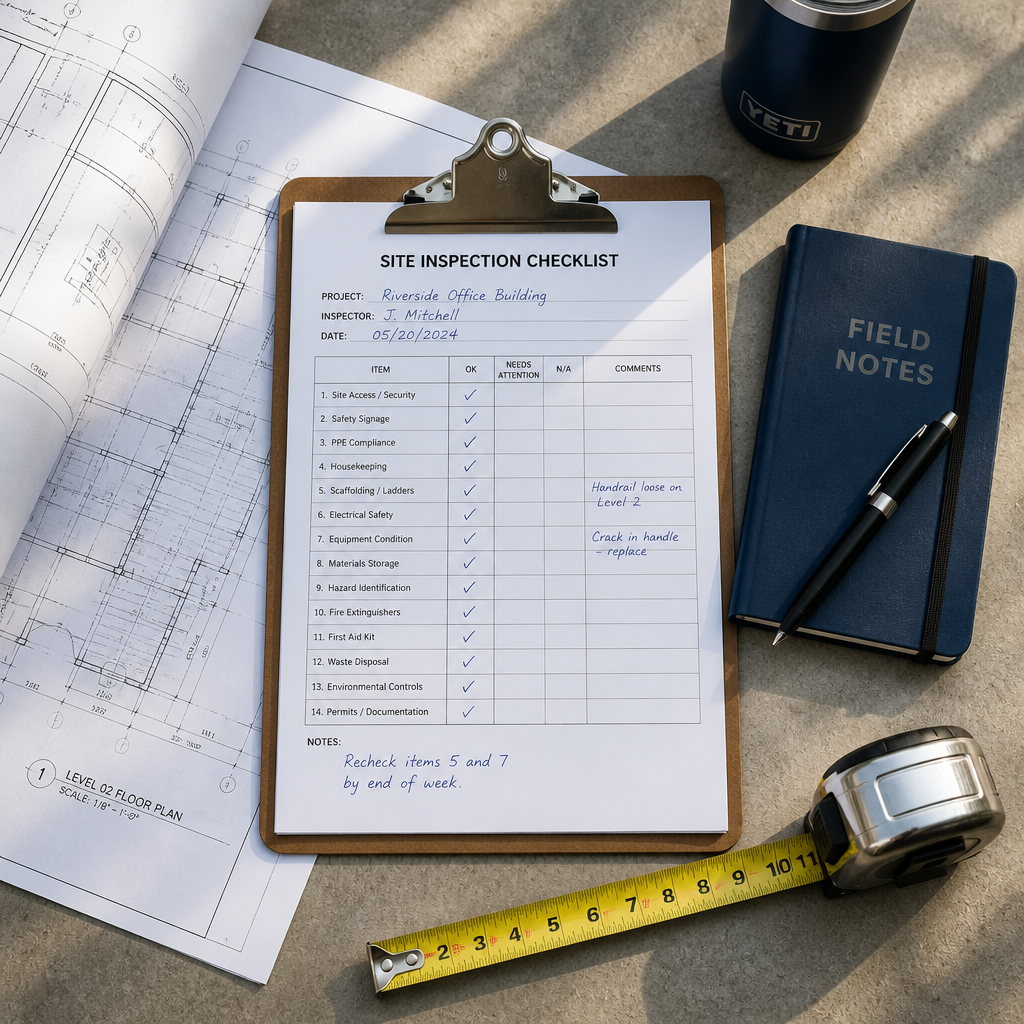
The frame stage is typically where independent inspections pay for themselves most clearly. At this point, the timber or steel frame is erected and visible, but no internal linings have been installed. An independent inspector verifies structural member sizing, connection hardware (nails, bolts, brackets), wall frame alignment, roof truss positioning, and bracing installation. These defects become invisible once the plasterboard goes up. Brisbane’s climate, with its high humidity and storm loads, puts specific demands on bracing that do not always get the attention they deserve during a busy construction schedule.
Stage 5: Final (Practical Completion)
The final certifier stage confirms the completed building is code-compliant and ready for a certificate of occupancy. But “code-compliant” and “finished to contract” are not the same thing. This is why an independent pre-handover inspection is scheduled separately, before or concurrently with the final certifier sign-off. The independent inspection picks up everything the certifier is not tasked to find: paint finishes, tile grouting, joinery gaps, incomplete items on the contract schedule, and fixtures not matching selections.
When to Book Each Independent Inspection
Timing is not flexible. If you book too late, the work is already covered. If you book too early, the stage has not been reached and the inspector has nothing to assess. Here is the practical booking window for each stage.
For slab and footing inspections, you need to be on-site before the concrete pour. This means you must stay in close contact with your builder’s site supervisor and confirm the concrete pour date as early as possible. Concrete pours in Brisbane and surrounds are often scheduled within 24 to 48 hours of formwork completion. Tell your builder explicitly, in writing, that you require notification before each pour so you can arrange independent inspection.
For the frame inspection, the window is more forgiving. Once the frame is erected, it typically remains exposed for several weeks while plumbing and electrical rough-in work proceeds. Book your frame inspection as soon as the frame is fully erected and before internal linings begin. Do not wait until just before lining starts, because if defects are found, you want rectification time built in before the next trade commences.
For the pre-handover inspection, book it as soon as your builder confirms an approximate practical completion date. QBCC guidelines indicate a builder should provide at least five days written notice before the practical completion inspection walk-through. Use that notice window, but arrange your independent inspector earlier so you have your own defects list prepared before the builder-led walk-through happens.
Pro tip: Put your inspection requirements in writing to your builder at contract signing, not at the point when each stage is approaching. Builders who know upfront that independent inspections will occur at each stage tend to manage their subcontractors more carefully throughout the build.
The Pre-Handover Practical Completion Inspection: Your Last Line of Defence
The practical completion inspection (PCI) deserves its own section because it is the most commercially significant inspection in the entire build timeline. Under Queensland building contracts, practical completion can legally be called even when minor defects are still present. The builder notifies you when the project is approaching this stage.
Once practical completion is reached, the defects list you and the builder sign becomes the controlling document for what gets fixed. Any defect you fail to identify and document at this point is not automatically covered. You are not entirely without protection (a contractor must repair defects noticed at handover or within 12 months of when the work is finished under Queensland law), but having every defect documented before you sign is vastly more straightforward than trying to add them to a defects list retroactively.
A thorough pre-handover inspection by a qualified inspector working on behalf of the homeowner should confirm three things: that all work meets the National Construction Code and QBCC Standards and Tolerances; that all items in the contract schedule have been installed to the agreed specification; and that every trade has completed their scope to a workmanship standard consistent with a new home.
In practice, pre-handover inspections across Brisbane, Gold Coast, Logan, Ipswich, and Redland Bay consistently reveal defects in finishing trades, including paint holidays, tile lippage, silicone gaps, incomplete joinery hardware, and drainage falls that do not meet specification. These are not major structural failures. They are the kind of items that multiply into frustration if undocumented, because once you have moved in, the builder’s motivation to return and fix them drops considerably.
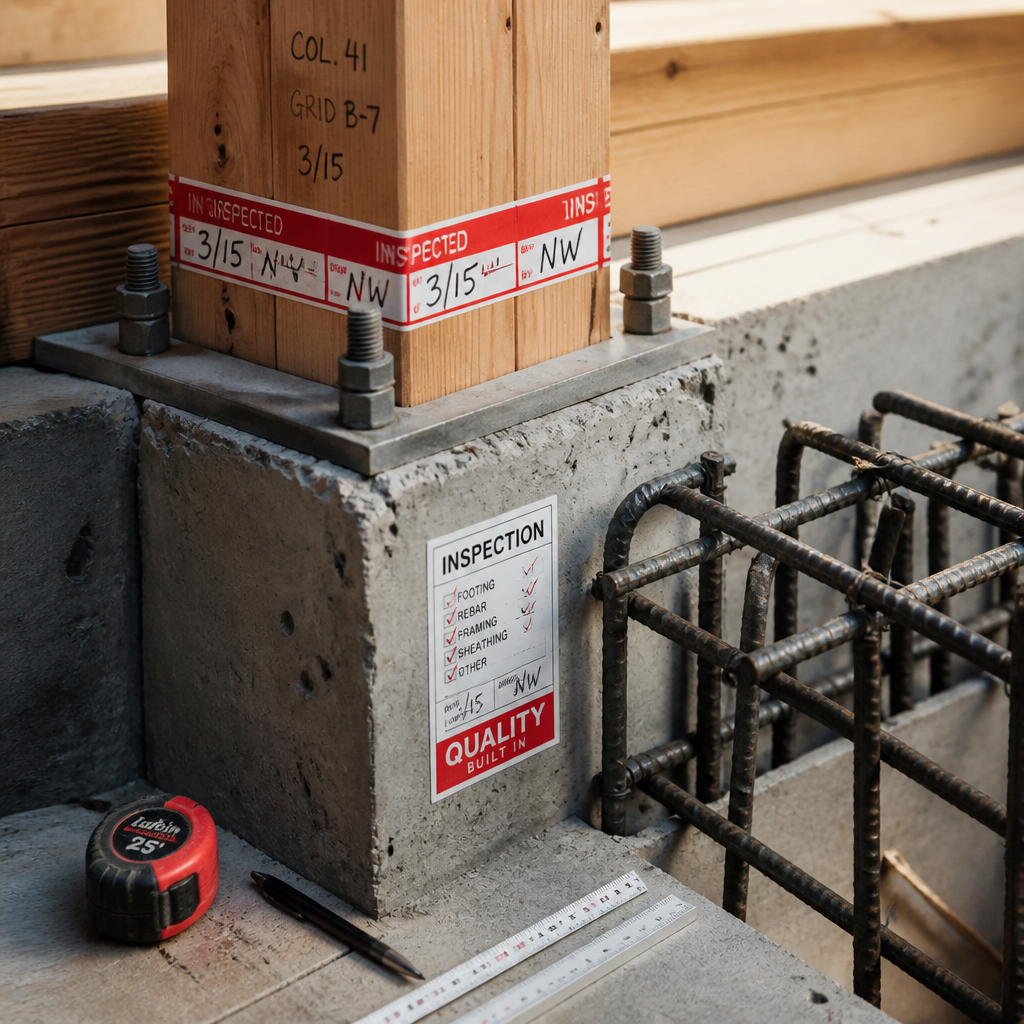
GoInspect’s pre-handover inspections produce photo-enhanced defect reports with defects assigned to the responsible trade. This matters because a builder receiving a report that identifies which subcontractor needs to rectify which item can schedule and direct rectification work immediately. Reports that list defects in plain text without trade assignment create delays as the builder works out who is responsible for each item.
Comparing Inspection Approaches: What Each Covers
| Inspection Type | What It Covers | Who It Protects |
|---|---|---|
| Mandatory Certifier Inspection (Form 16) | Code compliance with the Building Regulation 2021 and approved development permit at prescribed stages (excavation, footing, slab, frame, final). Issues Form 16 certificate before next stage proceeds. | The approval authority and public safety standards. Not specifically the homeowner’s contractual interests. |
| Independent Stage Inspection (at slab, frame, etc.) | Workmanship quality, reinforcement placement, structural connections, framing alignment, and compliance with engineering drawings and QBCC tolerances. Produces a defect report for rectification before the next stage. | The homeowner or investor. Gives you leverage over rectification before progress payments are released. |
| Pre-Handover / Practical Completion Inspection | All finishing trades, fixtures, fittings, incomplete work, items not matching contract selections, and compliance with QBCC Standards and Tolerances. Produces the defects list used before handover is accepted. | The homeowner directly. This is the inspection that controls what the builder must fix before you take possession. |
Common Mistakes Brisbane Homeowners Make With Build Inspections
These are patterns that appear repeatedly across new home builds in Southeast Queensland. They are avoidable with the right preparation.
Waiting Until Handover to Engage an Inspector for the First Time
By the time a pre-handover inspection happens, every structural and waterproofing decision made during the build is already locked in. The pre-handover inspection is the most important single inspection, but using it as a substitute for stage inspections means you will never find the defects that were covered over during construction. A home can have a clean pre-handover report and still have framing issues or reinforcement problems hidden inside the walls.
Relying on the Mandatory Certifier to Catch Workmanship Issues
Certifiers work to confirm code compliance, not to document every unfinished or substandard trade item. Their Form 16 certificate confirms the stage meets the building standard. It does not confirm that your kitchen cabinetry matches your selections, that your concrete slab is free of shrinkage cracks beyond tolerance, or that your roof trusses have all required connector plates installed. Homeowners who assume the certifier is “looking after them” routinely discover the limits of that assumption at handover.
Not Documenting Inspection Requirements in the Building Contract
Queensland building contracts are negotiated before construction begins. If you want the right to conduct independent inspections at each stage, including the right to receive adequate notice before pours and linings, make this explicit in the contract. Most builders will agree without objection. Trying to arrange independent inspections mid-build without contractual standing creates unnecessary friction.
Accepting a Defects List Without Independent Verification
Some builders present homeowners with a pre-prepared defects list at the practical completion walk-through and ask you to sign it on the spot. This is the wrong sequence. Your own independently-prepared defects list, created before the builder’s walk-through, gives you a documented baseline. Items on your list that are not on the builder’s list become a factual record, not a verbal dispute.
Skipping Inspection on Investment Properties to Save Cost
Investors managing multiple new builds across Brisbane, Gold Coast, or Logan sometimes skip stage inspections to reduce costs. This is the calculation that produces the most expensive outcomes. A defect found at frame stage costs a fraction of the same defect found during a future tenant complaint or at resale. The cost of a professional new home inspection in Brisbane is modest relative to the rectification costs it prevents.
Pro tip: If you are an investor managing a new build while working remotely or interstate, GoInspect’s same-day reporting means you receive photo-enhanced defect reports on the day of inspection regardless of your location. You do not need to be on-site to stay informed.
Frequently Asked Questions
How many inspection stages are required for a new house in Brisbane?
Under the Building Regulation 2021, Queensland law requires mandatory certifier inspections at five stages for a new Class 1a single-detached home: excavation, footing, slab, frame, and final. These are mandatory and your builder is required to have them completed. Separately, you can arrange independent inspections at any or all of these stages, plus a dedicated pre-handover inspection, to protect your own interests.
Can I book an independent inspection at the same time as the certifier inspection?
Yes, and this is often the most efficient approach. The certifier and your independent inspector can both attend site at the same construction milestone. They are performing different assessments for different purposes and do not interfere with each other. Ask your builder to notify you at least 48 hours before each mandatory certifier stage so you can arrange both simultaneously.
What does a pre-handover inspection cover that the certifier’s final inspection does not?
The certifier’s final inspection confirms the completed building is code-compliant and safe to occupy. It is not tasked with checking that your tiles match your selections, that all joinery hardware is installed, that paint finishes meet QBCC Standards and Tolerances, or that every item in your contract schedule has been delivered. A pre-handover inspection covers all of this. It produces the defects list you use to require rectification before accepting handover.
What happens if I find defects after I have already signed the handover documents?
Under Queensland law, a contractor must repair defects noticed at handover or within 12 months of when the work is finished. So post-handover defects are not unrecoverable. However, the practical reality is that getting a builder to return and rectify defects after the final payment has been made and possession has been taken is significantly more difficult than requiring rectification before handover. An independent pre-handover inspection with a documented defects list is the tool that keeps you in the stronger position.
Do inspections apply to apartment and high-rise developments, or only new houses?
The mandatory stage inspections under the Building Regulation 2021 apply specifically to Class 1a single-detached homes. Multi-storey residential buildings (Class 2 and above) do not have the same prescribed mandatory stages under state regulation. However, pre-settlement and practical completion inspections for apartments and high-rise units are equally important. GoInspect provides customised inspection reports specifically for high-rise developments, including apartment pre-settlement inspections across Brisbane and the Gold Coast.
When is the best time to book a pre-handover inspection to make sure it happens before I sign anything?
Book your independent inspector as soon as your builder confirms an approximate practical completion date, even if that date is several weeks away. You want your inspection to occur before the builder-led walk-through, not during it. Your independently prepared defects list should be in hand before you sit down with the builder to go through their version. GoInspect offers same-day reporting, so even if the booking window is short, you will have your report the same day as the inspection.
Is a frame stage inspection really necessary if the certifier is already checking the frame?
Yes, for exactly the reasons outlined above. The certifier checks that the frame meets the approved plans and building code. An independent frame inspection checks workmanship: correct nail patterns, connector plate installation, temporary and permanent bracing, and structural member condition. Frame-stage defects that are missed are hidden permanently once internal linings go on. In Southeast Queensland’s climate, with significant wind and storm load requirements, getting the frame right before lining is not optional.
Have you been through the new home build inspection process in Brisbane or Southeast Queensland? Share your experience in the comments, especially anything you wish you had known before construction started.
References
- Queensland Building and Construction Commission: mandatory building inspection stages for new dwellings
- Queensland Government Business: prescribed inspection stages under the Building Regulation 2021
- QBCC Home Owner Hub: practical completion inspection and defects list requirements
- Understanding mandatory stage inspections for new homes in Queensland including Brisbane, Logan, and Ipswich