
Most property investors spend months analysing rental yields, vacancy rates, and capital growth projections before signing a contract on a new build in South East Queensland. Then, at the final hurdle, they skip the one step that protects everything they have worked toward: an independent property investor building inspection before handover. The result is often a portfolio asset that carries unresolved defects from day one, creating maintenance costs, tenant complaints, and insurance complications that erode the return from the very first lease. This guide explains what a pre-handover inspection actually catches, why the Queensland construction environment makes it non-negotiable for investors, and what a properly structured defect report gives you that a builder walkthrough never will.
Table of Contents
- Quick Takeaways
- Why New Builds Are Not Defect-Free
- What a Property Investor Building Inspection Actually Covers
- The Financial Case for Inspection Before Handover
- Inspection Types Compared for Investors
- How Photo-Enhanced Defect Reports Protect Investors Remotely
- High-Rise vs House-and-Land: What Changes for Investors
- Frequently Asked Questions
- References
Quick Takeaways
| Key Insight | Explanation |
|---|---|
| New builds routinely contain 20 to 40 defects at handover | Independent inspectors working across Brisbane, Gold Coast, and Logan consistently identify this range in completed new homes, regardless of builder size or project value. |
| The builder’s obligation ends at settlement without documentation | Once you sign the handover documents without a formal defect list, proving that an issue existed before settlement becomes your legal burden, not the builder’s. |
| QBCC data shows waterproofing defect claims average $25,000 in rectification costs | The Queensland Building and Construction Commission’s 2025 Industry Snapshot confirmed this figure for residential bathroom claims under the Queensland Home Warranty Scheme. |
| Photo-enhanced reports assign defects to specific trades | This matters for investors because it removes ambiguity in the rectification process and prevents builders from deflecting responsibility between subcontractors. |
| Investors can review same-day reports remotely | A remote investor in another city can assess a complete photo-documented defect report without attending the site, making GoInspect’s same-day reporting format especially practical. |
| Inspection costs are a small fraction of defect repair costs | A professional inspection starting from $550 including GST can prevent defects that cost tens of thousands to fix post-settlement once the builder’s contractual obligation has narrowed. |
| The QBCC’s most common 2024-2025 defects are largely preventable | QBCC data shows the most frequently reported issues, including internal paint, driveways, walls, roofs, and floors, are exactly what a pre-handover inspection is designed to catch. |
Why New Builds Are Not Defect-Free
The assumption that a brand-new property is defect-free because it has never been lived in is one of the most expensive beliefs in property investment. Construction in South East Queensland runs at high volume. Builders managing multiple projects simultaneously rely on subcontractors across several trades, and the coordination pressure between those trades is where most defects originate.
The Queensland Building and Construction Commission’s 2025 Industry Snapshot confirmed that the most common flaws across 2024 and 2025 included mistakes on driveways, walls, roofs, and floors. The most frequently cited single defect category was internal paint application, with nearly 1,875 defect items identified across 315 cases in a single reporting period. These are not fringe cases involving rogue builders. They are the statistical norm for the Queensland construction industry at its current volume.
A pre-handover inspection does not reflect distrust of your builder. It reflects the reality that high-volume construction across multiple subcontracted trades produces defects at a predictable rate, and that the contractual window to have them fixed at no cost to you closes the moment you sign the handover documents.
For an owner-occupier, unresolved defects are an inconvenience. For an investor, they are a direct liability. A waterlogged bathroom, a failed tile adhesion, or a roof drainage issue does not pause collecting rent. It generates tenant complaints, creates maintenance call-outs at your expense, and can trigger insurance complications if you cannot demonstrate when a defect originated.
What a Property Investor Building Inspection Actually Covers
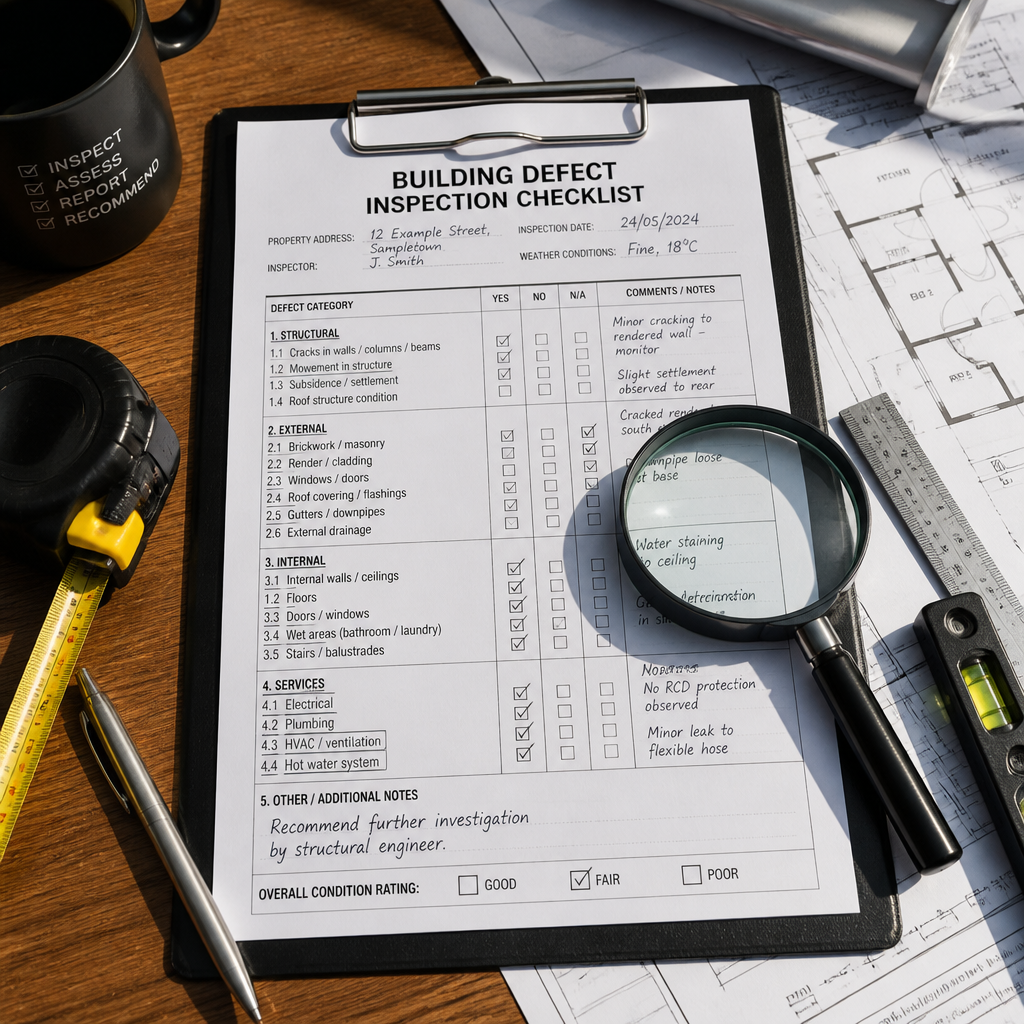
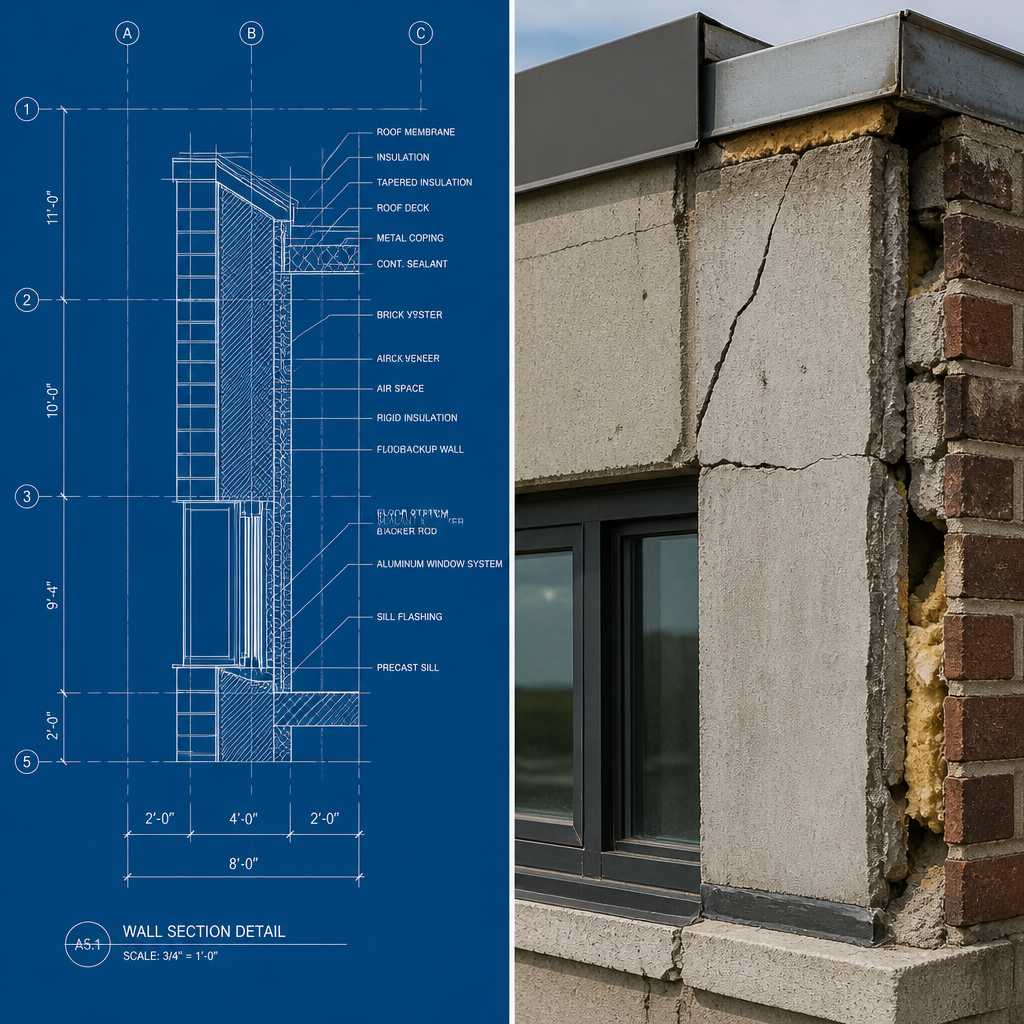
A new home inspection for investors in Queensland is not a general property condition report. It is a structured assessment of a completed construction against the building contract, Australian Standards, and the National Construction Code. Every accessible area of the property is examined, including the roof space, subfloor if applicable, all wet areas, external cladding, windows and doors, electrical fittings, plumbing fixtures, flooring, and internal finishes.
What inspectors look for in new residential builds
In practice, the defects that carry the most financial weight for investors fall into three categories. First, waterproofing failures in bathrooms, laundries, and balconies. The QBCC data on this is unambiguous: average rectification costs for waterproofing claims under the Queensland Home Warranty Scheme reached approximately $25,000 per residential bathroom claim in the 2024-25 financial year. Second, structural and finishing issues in walls, ceilings, and floors, which affect both tenant perception and ongoing maintenance costs. Third, trade-specific deficiencies in electrical, plumbing, and HVAC installation that may pass a certificate stage but contain workmanship errors that create problems under regular occupancy.
How defect documentation is structured for investors
The format of the inspection report matters as much as the inspection itself. GoInspect’s reports assign each identified defect to the responsible trade, document it with photographs, and deliver the complete report on the same day as the inspection. This structure is specifically useful for investors because it removes the back-and-forth that typically delays rectification when a builder’s site manager and multiple subcontractors start passing responsibility between each other.
Pro tip: When you receive the defect report, do not forward it to the builder as a courtesy summary. Provide it in full, with every photograph and trade attribution intact. Ambiguity in defect documentation is the most common reason builders negotiate down or dismiss rectification requests.
The Financial Case for Inspection Before Handover
The cost of a professional pre-handover inspection with GoInspect starts from $550 including GST. The cost of repairing a waterproofing failure post-settlement, after tenants have moved in and water has migrated into the substrate, starts at several thousand dollars and can reach the QBCC’s documented average of $25,000 for a single bathroom. That comparison does not require complex modelling to resolve.
What investors often underestimate is the secondary cost of defects: vacancy. A new investment property with unresolved defects that become apparent during the first tenancy creates pressure to reduce rent, undertake disruptive repairs during occupancy, or face a tenant dispute. Each of these outcomes reduces the net yield on an asset that was acquired specifically for its income performance.
Builder warranty periods and why timing matters
Under Queensland’s regulatory framework, builders are required to correct minor defects or omissions documented and agreed to at handover within a defined period after completion. The contractual leverage you hold is strongest before you take possession. Once settlement is complete and no defect list exists, you are pursuing warranty claims retrospectively, which is slower, more contested, and frequently requires QBCC involvement before anything gets resolved.
Investors who purchase off-the-plan in Brisbane or Gold Coast high-rise developments face an additional timing constraint. The builder issues a notice of practical completion and the buyer has a short window to complete settlement. Booking a licensed inspector who specialises in high-rise defect work before that window closes is the only way to build a documented defect position before the contractual pressure to settle is at its peak.
Pro tip: Book your inspection two weeks before the scheduled handover or as soon as you receive a notice of practical completion from the builder. Waiting until the week of handover often means rushing the review process and reducing your negotiating time before settlement.

Inspection Types Compared for Investors
Not all inspections serve the same purpose, and choosing the wrong type wastes both money and the critical pre-settlement window. The table below compares the three inspection types most relevant to property investors acquiring new builds in South East Queensland.
| Inspection Type | When It Happens | What It Delivers for Investors |
|---|---|---|
| Practical Completion Inspection (PCI) | Before handover, while the builder retains responsibility for all identified defects | A comprehensive defect list with trade attribution and photographic evidence, giving the investor maximum contractual standing to demand rectification at no cost |
| Pre-Settlement Inspection | Immediately before settlement, typically after defect rectification has been completed | Verification that agreed defects were actually fixed to the required standard before funds are released and possession transfers |
| Post-Handover Defect Inspection | After settlement, during the statutory warranty period | Documentation of defects that emerge during occupancy, used to support warranty claims under the Queensland Home Warranty Scheme when builder rectification is disputed |
For most investors purchasing a new house-and-land package or off-the-plan apartment, the Practical Completion Inspection is the most important of the three. It is the inspection that protects your position at the point where your contractual rights are strongest. The pre-settlement check is a valuable confirmation step, not a substitute for the PCI.
How Photo-Enhanced Defect Reports Protect Investors Remotely
A significant proportion of investors purchasing new builds in Brisbane, Gold Coast, Logan, Ipswich, and Redland Bay do not live locally. Interstate investors and those managing portfolios across multiple locations cannot always be present at the inspection or at the handover meeting. The quality of the inspection report becomes even more important in this context.
GoInspect’s photo-enhanced reporting format allows a remote investor to review a detailed, trade-attributed defect report on the same day the inspection is completed. Each defect is photographed, labelled, and linked to the responsible trade. The investor does not need to interpret vague written descriptions or guess at severity. They can see exactly what was found, where it is in the property, what standard it falls short of, and which subcontractor is responsible.
Why trade attribution matters when managing rectification from a distance
When a builder receives a defect list that simply says “crack in bathroom tile,” their site manager has room to manage it at their own pace. When they receive a report that photographs the crack, measures it against Australian Standards, and attributes it to the tiling subcontractor, the path to rectification is defined and documented. For a remote investor who cannot visit the site repeatedly to follow up, that specificity is the difference between a defect being resolved before settlement and one that drags into the warranty period.
This is also why GoInspect’s same-day reporting is practically significant rather than just a marketing feature. Investors with short settlement windows, particularly those dealing with notice of practical completion in apartment developments, cannot wait three to five business days for a report. A same-day report means the investor has their documented position in hand before the contractual clock runs down.
High-Rise vs House-and-Land: What Changes for Investors
Investors acquire new property through two primary pathways in South East Queensland: house-and-land packages in growth corridors across Logan, Ipswich, and Redland Bay, and off-the-plan apartment purchases in Brisbane CBD and Gold Coast towers. The inspection requirements for these two asset types are different, and treating them the same is a common mistake.
House-and-land inspections
A new house on a house-and-land package has accessible roof space, a subfloor in some cases, external cladding, and a driveway and landscaping component. The inspection covers all of these, plus every internal trade. The most common defects in this asset class align closely with the QBCC data: paint, wall finishes, flooring, and external concrete work. These are high-volume, fast-build properties where finishing trades are under significant schedule pressure, and the defect rate reflects that.
High-rise apartment inspections
Off-the-plan apartment purchases present a different risk profile. Roof access is generally not available to individual apartment buyers. The inspection focuses on the apartment’s internal shell: wet area waterproofing, tiling, joinery, windows and glazing, mechanical ventilation, and the interface between the apartment and common areas. GoInspect provides customised inspection reports for high-rise developments, which means the scope and documentation format are structured for the specific characteristics of apartment construction rather than being adapted from a house inspection template.
The other key difference is legal timing. House-and-land contracts typically give the buyer more flexibility in scheduling the inspection before handover. Off-the-plan apartment contracts often tie settlement to a notice of practical completion, creating a compressed window. Investors in apartment developments who have not already identified a licensed inspector before that notice arrives frequently find themselves scrambling, or worse, proceeding without an inspection at all.
Frequently Asked Questions
Do I need a building inspection if I am buying a new home as an investment property, not to live in?
Yes. Your status as an investor rather than an owner-occupier does not change what the builder is obligated to deliver or what defects may be present. It does change the financial consequences of unresolved defects, since you will be managing them remotely and they will directly affect your rental income and ongoing maintenance costs. An independent inspection before handover is the most effective step you can take to protect the asset from day one.
What is a Practical Completion Inspection and how does it differ from a standard building inspection?
A Practical Completion Inspection (PCI) is conducted on a newly constructed property before the buyer formally accepts handover from the builder. It assesses whether the completed build meets the building contract, Australian Standards, and the National Construction Code. A standard building inspection, by contrast, is typically conducted on an existing property during a purchase due diligence period and focuses on identifying structural and maintenance issues in a property that has already been lived in. For new builds, the PCI is the relevant inspection type.
How much does a property investor building inspection cost in Queensland?
GoInspect’s new home inspections start from $550 including GST. The final price depends on the property type, whether it is a house-and-land package or a high-rise apartment, and the inspection scope required. That cost is a fraction of the average rectification bill for a single major defect category. QBCC data for 2024-25 shows waterproofing claims in residential bathrooms averaged approximately $25,000 per claim under the Queensland Home Warranty Scheme.
Can I use the defect report as a legal document if the builder refuses to rectify?
A properly structured defect report from a licensed inspector, with photographic evidence and trade attribution, is a strong foundation for any formal dispute process. In Queensland, if a builder refuses to rectify documented defects, the Queensland Building and Construction Commission provides a complaint and dispute resolution pathway. Having a detailed, timestamped report from before handover or before settlement is significantly more useful in that process than a verbal account or an email exchange. It is not a guarantee of a specific legal outcome, but it is the documentation on which any serious claim depends.
I am buying an off-the-plan apartment in Brisbane. When should I book the inspection?
Book your inspection as soon as you receive the builder’s notice of practical completion, or earlier if you know the estimated completion date from your contract. Off-the-plan apartment contracts typically give buyers a short settlement window after practical completion is declared. If you wait until the notice arrives before finding an inspector, you may not have enough time to book, complete the inspection, review the report, and raise defects before settlement pressure forces your hand. GoInspect covers Brisbane and Gold Coast high-rise developments and provides same-day reports, which is precisely what the compressed apartment settlement timeline requires.
What are the most common defects found in new investment properties in South East Queensland?
Based on QBCC industry data for 2024-2025, the most frequently identified defects in Queensland new builds include internal paint application, wall and ceiling finishes, floor coverings, roof work, and driveway construction. Waterproofing failures, particularly in bathrooms and wet areas, are among the most costly when they are not caught before settlement. Inspectors working across Brisbane, Gold Coast, Logan, Ipswich, and Redland Bay also frequently identify issues with window and door installation, tiling adhesion, and trade-specific workmanship errors that would not be visible to a buyer during a standard walkthrough.
If you have recently been through a pre-handover inspection on an investment property in Queensland, we would like to hear what you found and whether the process helped you get defects resolved before settlement.
We would love your feedback and any insights you would share with others. What perspective would you add?
References
- Queensland Building and Construction Commission: 2025 Industry Snapshot on the most common building defects and rectification costs across Queensland
- Smart Property Investment: Queensland investors and the financial impact of common building defects in 2024-2025
- GoInspect: New home inspection guide for Gold Coast buyers covering defect rates, inspection scope, and investor reporting
- GoInspect: Why every new home buyer in Brisbane needs a handover inspection and how the process works
- Jeffrey Hills and Associates: Overview of Queensland builder obligations for defect rectification under the BSA Rectification of Building Work Policy