
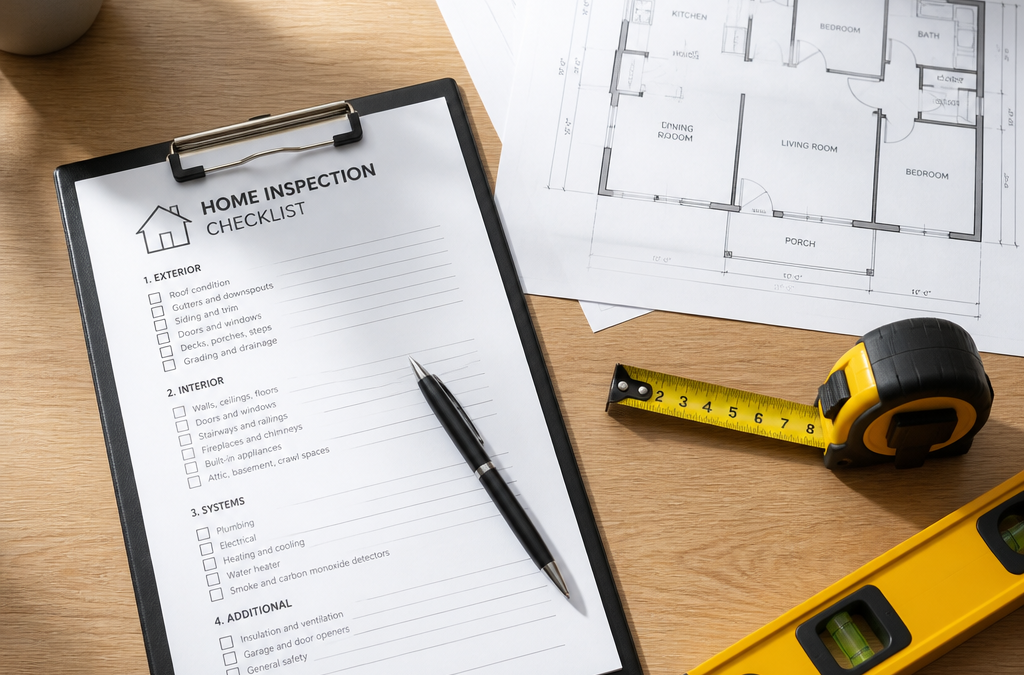
Builders use the terms “PCI inspection” and “handover inspection” so interchangeably that most new homeowners assume they mean exactly the same thing. In some contexts they do. In others, the distinction is precise enough to affect what gets fixed, who pays, and whether you have any legal leverage at all. If you are buying a new home in Brisbane, the Gold Coast, Logan, Ipswich, or Redland Bay and your builder has just told you practical completion is approaching, understanding this difference is not optional. It is the difference between walking into your new home with a documented defect list and a builder who is contractually obligated to act, or walking in with nothing and fighting for repairs on your own time.
Table of Contents
- What Is a PCI Inspection?
- What Is a Handover Inspection?
- Where the Terms Overlap and Where They Do Not
- What a PCI Inspection Covers
- Comparison: PCI, Handover, and Pre-Settlement Inspections
- When to Book Each Inspection
- Your Rights Under Queensland Law
- Why an Independent Inspection Beats a Builder-Arranged Walkthrough
- Frequently Asked Questions
- References
What Is a PCI Inspection?
A PCI inspection, or Practical Completion Inspection, is the formal, independent assessment of a newly constructed home carried out once the builder declares that the property has reached practical completion. Practical completion is defined in your building contract. It means the home is substantially complete and ready for occupation, even if minor defects or finishing items remain outstanding.
The PCI inspection happens before formal handover and, critically, before you make the final progress payment. That timing is everything. Your builder is still on site, still responsible, and still financially motivated to resolve issues before you sign off. A PCI inspection conducted at this stage gives you documented evidence of every defect while the builder still has a direct obligation to fix it.
In practical terms, the PCI inspection is not a casual walkthrough. It is a structured, room-by-room assessment conducted by a licensed building inspector, producing a written defect report with photographs, defect descriptions, and trade-specific responsibility assignments. The goal is a legally useful document, not a verbal list of gripes.
Pro tip: Book your independent PCI inspection before attending any builder-hosted walkthrough. If you attend the builder’s own handover meeting first without an independent report in hand, you are negotiating blind and your verbal observations carry little legal weight.
What Is a Handover Inspection?
A handover inspection is, in its strictest sense, the inspection that takes place at the moment of formal handover when the builder transfers possession of the property to you and hands over the keys. This is the point at which final payment is typically made and legal responsibility for the property shifts from builder to owner.
The confusion arises because many builders, inspectors, and industry bodies use “handover inspection” loosely to mean any inspection that occurs in the final stage of construction, including what is technically a PCI inspection. In informal usage, the two terms have merged almost completely.
However, there is a meaningful practical distinction. A true handover-moment inspection happens as you are collecting the keys, usually as part of the builder’s formal handover process. It is often builder-hosted and brief. An independent PCI inspection, booked days or weeks before that moment, gives you time to issue the report, negotiate defect rectification, and confirm fixes before you sign anything or hand over money.
Where the Terms Overlap and Where They Do Not
In Australia, “PCI inspection” and “handover inspection” are frequently used interchangeably by builders, inspectors, and homeowners because they occur at a similar stage of construction and serve the same core purpose: identifying defects and incomplete work before the buyer accepts the home. That much is genuinely true and not a source of confusion worth losing sleep over.
Where the distinction becomes important is timing and who controls the process. A PCI inspection, technically defined, occurs before the formal handover event. A handover inspection can refer either to that same pre-handover assessment or to the actual walkthrough conducted at the moment of key exchange. If an inspector or builder uses the term “handover inspection” to mean the latter, the window for defect negotiation has already narrowed significantly.
The most common mistake new homeowners make is assuming the builder’s handover meeting is the same as an independent inspection. It is not. One is a formality managed by the builder. The other is an independent assessment that works for you.
For homeowners building in South East Queensland, the safest approach is to treat the PCI inspection as your pre-handover step, conducted independently, and the formal handover as a separate builder-run event that follows it. At GoInspect, this is exactly how every engagement is structured: independent inspection first, documented defect report delivered same day, then handover meeting with the builder.

What a PCI Inspection Covers
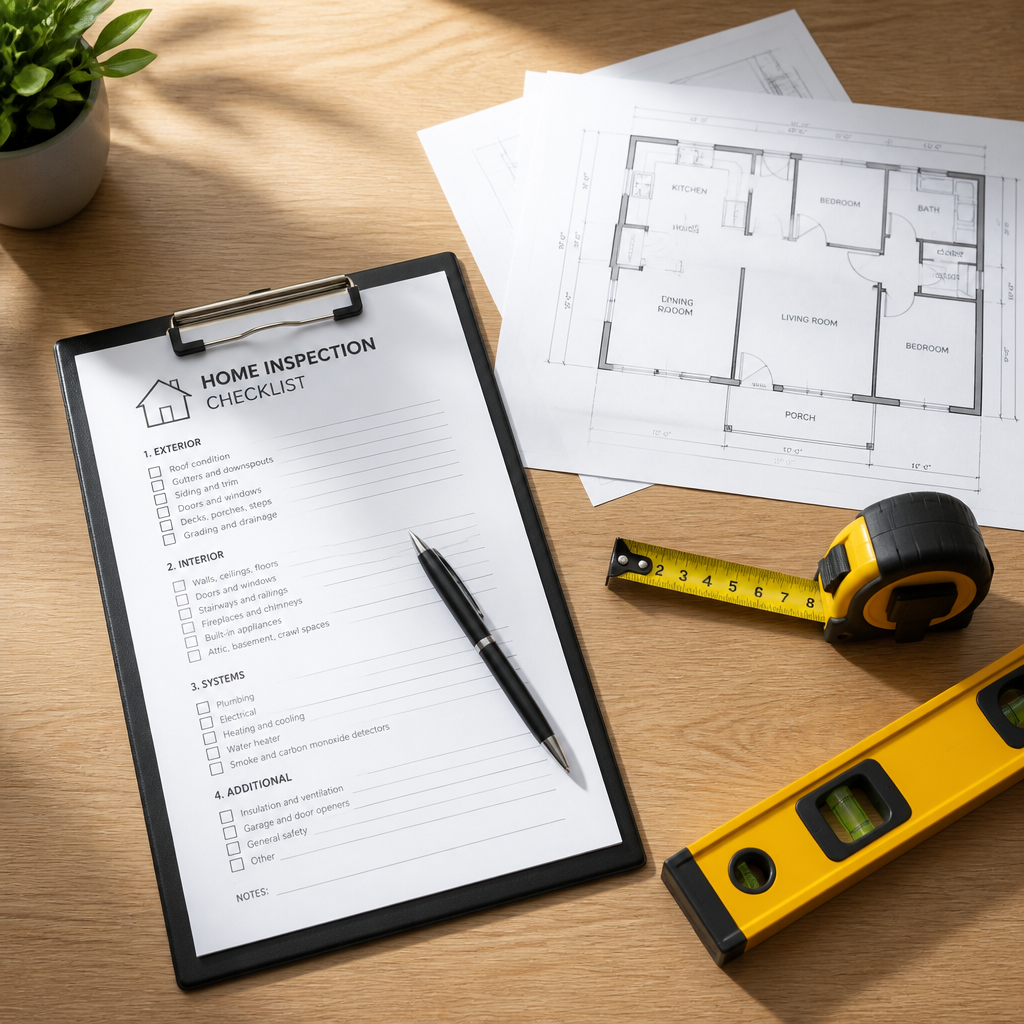
A thorough PCI inspection is not a surface-level visual sweep. A licensed inspector works through the entire property systematically, checking visible and accessible areas across every trade. Here is what a proper inspection should document.
Structural and External Elements
The inspector checks the roof covering, guttering, fascias, external cladding, brickwork, windows, and door frames for defects, water penetration risks, poor workmanship, and deviations from the approved plans. External drainage, driveway levels, and retaining structures are also assessed where accessible.
Internal Finishes and Joinery
Internal walls, ceilings, cornices, skirting boards, door frames, and cabinetry are checked for cracking, paint defects, poor alignment, incomplete caulking, and finish quality that falls below the standard specified in the contract. Tiling, flooring, and wet area sealing receive particular attention because these are the areas where poor workmanship creates expensive problems after occupancy.
Mechanical and Services
Electrical fittings, plumbing fixtures, hot water systems, air conditioning, and mechanical ventilation are tested for basic function. The inspector verifies that items specified in the contract and approved plans are actually installed and operating.
Contract and Plan Compliance
A defect is not only something that is broken. It includes anything installed differently from what the contract specifies. The inspector cross-references the build against the approved plans and contract documentation to catch substitutions, omissions, and non-compliant items the builder may not volunteer to disclose.
Pro tip: Bring your building contract and approved plans to the PCI inspection. A licensed inspector at GoInspect cross-checks the build against your contract documents as a standard part of the process, but having your paperwork on site speeds up the verification of specific inclusions and finishes.
Comparison: PCI, Handover, and Pre-Settlement Inspections
To make the distinctions concrete, the table below compares the three inspection types that arise in a new home build, based on when they occur, who typically conducts them, and what they are designed to achieve.
| Inspection Type | When It Occurs | Who Conducts It and What It Achieves |
|---|---|---|
| PCI Inspection (Practical Completion Inspection) | After the builder declares practical completion, before the formal handover event and before final payment is made | Conducted by an independent licensed inspector. Produces a defect report with photos and trade-specific responsibility assignments. Strongest window for defect rectification because the builder is still on site and financially obligated to act before receiving final payment. |
| Handover Inspection (builder-hosted) | At the moment of key exchange and final payment | Typically conducted by the builder’s site supervisor. A walkthrough to sign off on documentation and hand over keys. Defects raised at this point may still be recorded but the builder has less immediate financial pressure to resolve them promptly. |
| Pre-Settlement / Post-Occupancy Inspection | After handover, during the defect liability period (typically 12 months in Queensland) | Conducted by an independent inspector to identify defects that emerged after occupation. Relies on the builder’s contractual obligation to repair defects noticed within 12 months of practical completion. More difficult to enforce and more disruptive to the occupant. |
When to Book Each Inspection
The timing question is where most new homeowners get tripped up. Builders are required to notify the property owner at least 5 business days before practical completion under Queensland rules, and the general expectation is that notification comes 2 to 3 weeks before the expected handover date. That window is your opportunity to act.
Book your independent PCI inspection as soon as the builder notifies you that practical completion is approaching. Aim for the inspection to be completed 7 to 14 days before the formal handover date. This gives you enough time to receive the defect report, send it to the builder in writing, and request a timeline for rectification before you are asked to make your final progress payment.
A common mistake is waiting until the builder’s handover meeting before engaging an independent inspector. By that point, you may be signing documents the same day and the practical leverage you had before final payment has already been handed away.
The Queensland Building and Construction Commission suggests arranging an on-site inspection between the contractor and the property owner approximately one week before the nominated handover date. An independent PCI inspection completed before that meeting gives you a documented list to bring to that conversation rather than relying on memory or verbal agreement.
Your Rights Under Queensland Law
Queensland homeowners building new homes have specific legal protections at the PCI and handover stages that are worth knowing before you walk into any builder meeting.
You are entitled to engage an independent licensed building inspector to assess the property on your behalf. This right is confirmed by the Queensland Building and Construction Commission. The cost of that inspection is yours to bear, but it is one of the most cost-effective investments you will make in a construction project that likely cost hundreds of thousands of dollars.
At handover, the builder and owner work through a defects document that lists agreed minor defects and minor omissions. In Queensland, this document must separately list items only the owner believes exist, items the builder agrees to fix, and a timeframe for rectification. It must be signed by both parties where possible. Any defects raised in writing at handover, or within 12 months of practical completion, must be repaired by the builder. That 12-month obligation only works for you if defects are documented. An independent PCI report, delivered before handover, is the most reliable way to create that documentation.
Pro tip: Never agree to a verbal-only defect list at the builder’s handover meeting. Everything must be in writing and referenced against a documented inspection report. GoInspect’s same-day reporting means you can present a formal defect report at the builder’s handover meeting rather than relying on handwritten notes.
Why an Independent Inspection Beats a Builder-Arranged Walkthrough
Builders routinely offer their own site supervisor-led walkthrough as part of the handover process. This is not an independent inspection. It is a builder-managed review conducted by someone who is employed by the builder and whose interests are not aligned with yours.
An independent inspector has no commercial relationship with the builder. Their report reflects what is actually there, not what the builder is prepared to acknowledge. In practice, independent inspectors regularly identify dozens of defects that do not surface in a builder-arranged walkthrough, including items the builder’s team has already decided are within acceptable tolerances but which fall short of the contracted specification.
For homeowners and investors building through volume builders in Brisbane, the Gold Coast, Logan, Ipswich, and Redland Bay, the volume and pace of construction increases the likelihood of defects. Trades work across multiple sites simultaneously, quality control varies, and supervisory oversight is uneven. An independent inspector has no incentive to minimise the defect list.
GoInspect’s inspection reports go further than a standard defect list. Each defect is photographed, described, and assigned to the specific trade responsible. This structure removes ambiguity from the rectification process. The builder’s site supervisor knows exactly which subcontractor needs to return to site, which accelerates the rectification timeline and reduces back-and-forth. Reports are delivered the same day, which means you are not waiting days for documentation while the clock ticks toward your final payment deadline. Inspections start from $550 including GST, covering new homes across South East Queensland.
Frequently Asked Questions
Is a PCI inspection the same as a handover inspection?
In most practical usage in Australia, yes, the terms refer to the same thing: an inspection of a newly built home in the final stages of construction, before the buyer accepts possession. The technical distinction is timing. A PCI inspection strictly occurs before the formal handover event and before final payment. A “handover inspection” can sometimes refer to the walkthrough that happens at the actual moment of key exchange. For the purpose of protecting yourself, what matters is booking an independent inspection before you make your final payment, regardless of what it is called.
Can I rely on the builder’s own walkthrough instead of paying for an independent PCI inspection?
No. The builder’s walkthrough is conducted by someone employed by or representing the builder. Their job is to complete handover, not to maximise the defect list on your behalf. Independent inspectors consistently find defects that builder walkthroughs miss or minimise. The cost of an independent PCI inspection is small compared to the cost of fixing defects after you have taken possession and the builder’s immediate obligation has passed.
When should I book a PCI inspection in Queensland?
Book your PCI inspection as soon as the builder advises that practical completion is approaching. Under Queensland rules, builders must give at least 5 business days notice before practical completion, with a general expectation of 2 to 3 weeks notice. Aim to have your independent inspection completed 7 to 14 days before the formal handover date. This gives you time to receive the report, send defects to the builder in writing, and request rectification before making your final payment.
What happens if defects are found during the PCI inspection?
The defects are documented in writing, with photographs. You send the report to your builder formally, in writing, and request that agreed defects be rectified before or shortly after handover. In Queensland, the builder is required to repair defects noticed at handover, or within 12 months of practical completion, as long as you notify them in writing within that 12-month window. The pre-handover PCI report is your starting document for any defect rectification discussion. Defects disputed by the builder can be escalated to the Queensland Building and Construction Commission if necessary.
Does a PCI inspection cover high-rise apartments, or only houses?
A PCI inspection applies to any new residential construction, including high-rise apartments. The inspection scope for an apartment is adapted to the specific property, covering internal finishes, fittings, fixtures, wet areas, balconies, windows, and items specified in the sale contract or inclusions schedule. GoInspect provides customised inspection reports for high-rise developments as well as housing projects, with defects assigned to specific trades and photo-documented for the rectification process.
What is the defect liability period in Queensland and how does my PCI inspection affect it?
In Queensland, a contractor must repair defects noticed at handover or within 12 months of when the work is completed, provided the owner notifies the contractor within that 12-month period. Your PCI inspection report, issued before handover, is the foundation document for this process. Any defect listed in the report is formally on record. Defects discovered during the 12-month defect liability period should be reported to the builder in writing as soon as they are noticed, and an independent reinspection can confirm whether rectification work has been completed to the required standard.
How much does a PCI inspection cost in Brisbane and South East Queensland?
Pricing for a PCI inspection varies by provider and property type. GoInspect offers new home PCI inspections starting from $550 including GST, covering Brisbane, Gold Coast, Logan, Ipswich, and Redland Bay. The inspection includes a same-day photo-enhanced defect report with trade-specific responsibility assignments. Given that the final progress payment on a new home build typically represents a significant sum, the cost of an independent inspection is a proportionate and sensible expense.
Have you been through a PCI or handover inspection recently? Share what you found and what the builder agreed to fix. Your experience might help another homeowner know what to expect.
References
- PCI Inspection vs Handover Inspections: Key Differences Explained
- Queensland Building and Construction Commission: Builder Handover Responsibilities and Requirements
- Queensland Building and Construction Commission: What Happens at Practical Completion Inspection
- Understanding Pre-Handover Inspections: A Guide for Homebuyers
- PCI Inspections Explained: What Happens at Practical Completion