
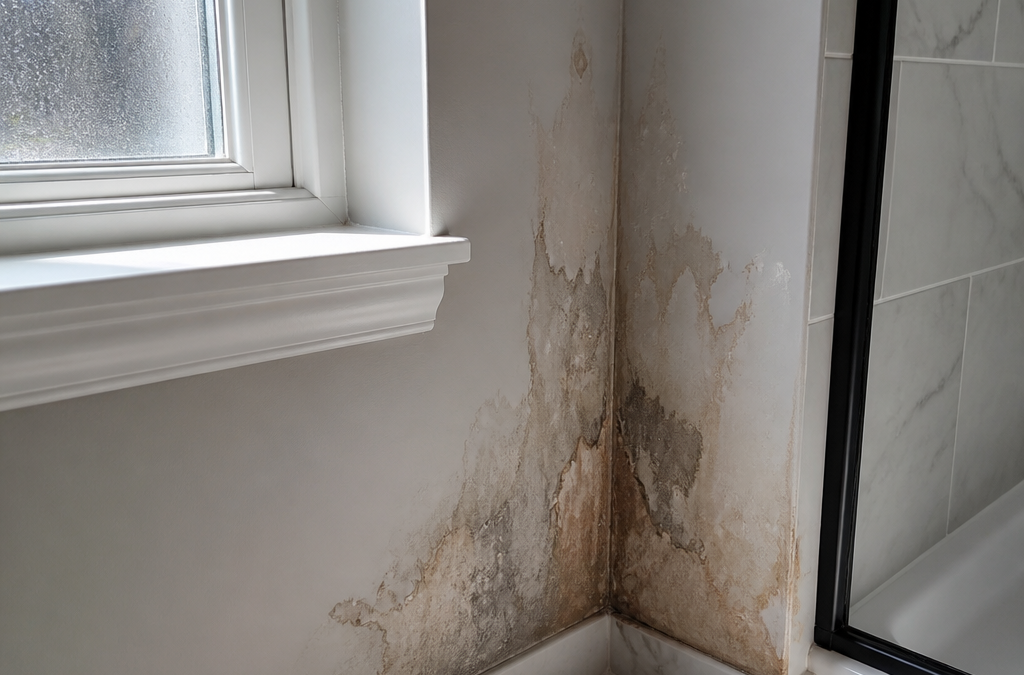
Most Brisbane homeowners walk through their new home at handover and assume that because it looks finished, it is finished correctly. That assumption costs thousands. The Queensland Building and Construction Commission’s 2025 Industry Snapshot confirms that building defects in new homes in Brisbane and across Queensland are not rare exceptions. They are routine. The defects range from cosmetic paintwork failures to serious waterproofing breakdowns averaging $25,000 per claim to rectify. Knowing which defects to look for, and critically, which trade is accountable for each one, is the difference between a builder fixing the problem and a builder blaming someone else.
Table of Contents
- Quick Takeaways
- 1. Waterproofing Failures in Wet Areas
- 2. Defective Roof Flashings and Capping
- 3. Cracking in Walls and Ceilings
- 4. Frame Alignment and Bracing Defects
- 5. Tiling Defects and Hollow Tiles
- 6. Poor Paintwork and Surface Preparation
- 7. Plumbing and Drainage Installation Faults
- 8. Defective Concrete Paths and Driveways
- 9. Poorly Fitted Doors and Windows
- 10. Electrical Installation Faults
- Comparing Inspection Approaches: What Actually Gets Defects Documented
- Frequently Asked Questions
- References
Quick Takeaways
| Key Insight | Explanation |
|---|---|
| Waterproofing is the most expensive defect | The average QHWS claim for defective waterproofing in 2024-25 reached approximately $25,000 per residential bathroom claim. It is consistently one of the top reported defects in Queensland. |
| Trade responsibility must be pinned at inspection | A defect report that names the responsible trade, such as the waterproofer, tiler, or plasterer, removes ambiguity and speeds up rectification. Generic reports create disputes. |
| Builder certifier inspections do not catch everything | Mandatory certifier inspections focus on minimum code compliance, not workmanship detail. Independent pre-handover inspections fill this gap. |
| Queensland’s defects liability period is limited | Under most Queensland contracts, the defects liability period runs six to twelve months. Defects must be documented and notified within this window or rectification becomes a costly dispute. |
| Roof flashings are a top-ten recurring defect | The QBCC identifies sheet metal roof cladding, flashings, and capping as among Queensland’s most frequently reported building defects year after year. |
| Photo-enhanced reports are non-negotiable | A defect documented with a photograph, a location reference, and a named trade is a claim. A defect described in plain text alone is an argument waiting to happen. |
| Pre-handover is your best opportunity, not your last resort | Once you accept the keys and sign the handover documents, rectification leverage shifts. All defects should be documented before that moment, not after. |
1. Waterproofing Failures in Wet Areas
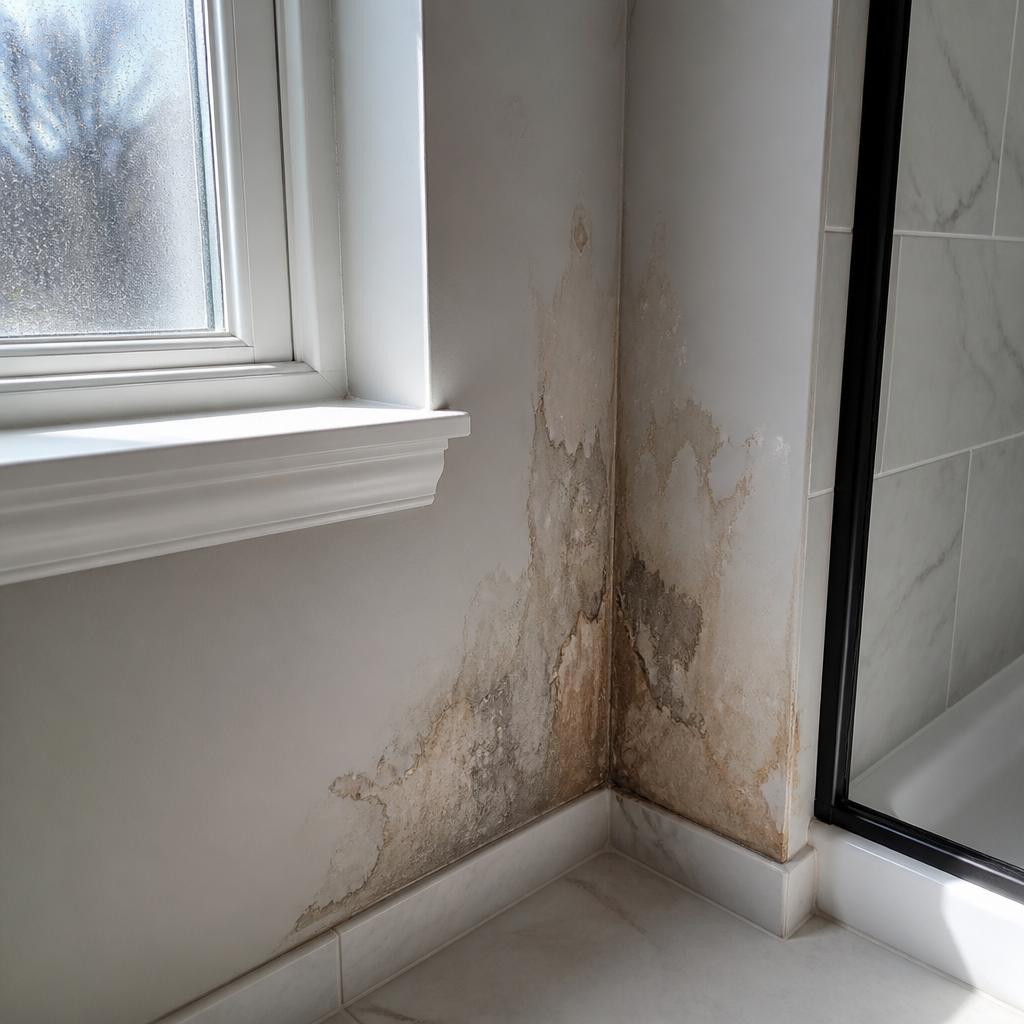
Waterproofing is the single most financially damaging defect category in Queensland residential construction. The QBCC’s 2025 Industry Snapshot consistently places it among the top reported defects, and the financial evidence backs that up: each residential bathroom claim finalised under the Queensland Home Warranty Scheme during the 2024-25 financial year averaged close to $25,000 in rectification costs. That figure does not account for damage to adjoining rooms, flooring replacement, or mould remediation.
In Brisbane’s humid subtropical climate, a failed waterproof membrane is not an inconvenience. It is a structural and health risk that compounds the longer it goes undetected. The most frequent failure points found in new homes include missing or inadequate membrane at floor-to-wall junctions, insufficient upstands behind shower niches, and punctured membranes caused by subsequent trades drilling through finished wet areas.
Trade responsible: Licensed waterproofer. In Queensland, waterproofing is classified as regulated work and must be performed by a licensed contractor. Where the waterproofer’s work was correct but later damaged by another trade, such as an electrician or tiler drilling through a membrane, responsibility shifts to the trade that caused the damage. A good inspection report separates these scenarios clearly.
Pro tip: Request that your inspector specifically test shower recesses, bath surrounds, laundry floors, and balcony decking surfaces at pre-handover. These are the wet areas where membrane failures are most commonly found in new Brisbane builds, and they are easy to miss in a standard walkthrough.
2. Defective Roof Flashings and Capping
The QBCC identifies sheet metal roof cladding, flashings, and capping as one of Queensland’s most frequently reported building defect categories. This is not surprising given the intensity of Brisbane’s storm season. A roof that looks complete from the ground can still have flashings that are incorrectly scribed, inadequately lapped, or missing entirely at critical junctions such as ridges, hips, and penetrations around skylights and vents.
Inadequate flashing construction is a major driver of leaking roofs in new homes. The QBCC’s position is clear: a complete flashing system must intercept, collect, and discharge moisture back into the stormwater system without allowing it to enter the dwelling. Any failure in that chain, no matter how small the gap, will cause water ingress over time.
Trade responsible: Roofing contractor. The roofing contractor is accountable for the installation of all roof cladding, flashings, cappings, and penetration seals. Where a plumber has installed a vent pipe through the roof and failed to seal the penetration correctly, the plumber shares responsibility for that specific defect. A trade-specific inspection report makes this distinction, which is essential when the builder tries to shift blame between their subcontractors.
A defect report that simply says “roof leaking” tells a builder nothing they are obligated to act on. A report that says “flashing at eastern hip junction is missing a 50mm overlap per AS 1562.1, roofing contractor responsible” gives them no room to argue.
3. Cracking in Walls and Ceilings
Cracking is one of the most visually obvious defects in a new home and also one of the most misunderstood. Not all cracks are structural. Many are cosmetic, caused by plasterboard movement during the drying and settling period. But some cracks indicate genuine structural movement, inadequate framing, or slab issues that need to be identified and documented early.
In practice, Brisbane inspectors distinguish between hairline settlement cracks, which are common and generally cosmetic, and step cracks at corners, diagonal cracks running from window corners, and cracks with displacement, which signal more serious underlying problems. The QBCC’s Standards and Tolerances Guide for Building Work provides specific limits, and a qualified inspector will reference these directly when categorising each crack in their report.
Trade responsible: Plasterer (for plasterboard and set cracks), builder or concretor (for structural cracks in slabs), framing carpenter (for cracks caused by frame movement or inadequate noggins). This is one of the defect types where trade attribution requires specific assessment. A crack caused by a bowed stud is a carpenter’s defect. The same crack appearing above a doorframe in the plasterboard may be a plasterer’s workmanship issue. The distinction matters for rectification.
Pro tip: Do not accept a builder’s assurance that “all houses crack a little.” The QBCC’s tolerance standards define acceptable limits. If cracks exceed those limits at handover, they must be documented and included in the defect report before you accept the keys.
4. Frame Alignment and Bracing Defects
Frame defects are among the most consequential building defects found in new Brisbane homes because they affect everything built on top of them. A bowed, twisted, or out-of-plumb frame distorts door openings, creates uneven wall surfaces, and puts stress on cladding and plasterboard. Independent inspectors in Brisbane regularly identify frame alignment issues and inadequate bracing in new homes that have passed certifier inspections, because certifier checks focus on compliance at specific stages, not overall workmanship quality.
Bracing shortfalls are particularly common. Structural bracing is required to resist wind and racking loads, and in South East Queensland, where homes must be designed for cyclonic and high-wind conditions in some areas, under-braced frames are a genuine structural risk, not just a cosmetic one.
Trade responsible: Framing carpenter. Frame straightness, plumb, and bracing are the framing contractor’s responsibility. Where the issue stems from an engineered frame design rather than installation error, the engineer of record and the builder carry shared accountability. Either way, the defect must be identified before lining materials are fixed, making frame stage inspections as important as the pre-handover check.
5. Tiling Defects and Hollow Tiles
Tiling defects appear frequently in both QBCC complaint data and the findings of independent inspectors across Brisbane, Gold Coast, and Logan. The most common issues found in new homes include hollow tiles (tiles that are not fully bedded and sound empty when tapped), uneven grout joints, lippage between adjacent tiles exceeding allowable tolerances, and cracked or chipped tiles that have been laid over and left unreported.
Hollow tiles are a particular concern in wet areas because an unbed tile creates a void where water can sit behind the tile surface, breaking down the adhesive, compromising adjacent waterproofing, and eventually causing tiles to detach. In a new home, hollow tiles in a shower floor or wall are a defect that needs to be fixed before handover, not patched after the fact.
Trade responsible: Tiler. Lippage, hollow tiles, and uneven grout lines are the tiler’s workmanship defects. Where tiles have cracked due to an uneven or inadequate substrate, responsibility may extend to the plasterer or renderer who prepared the substrate. Where the substrate is a structural slab that has deflected, the engineer and concretor may also be involved. The inspection report needs to document the likely cause, not just the symptom.

6. Poor Paintwork and Surface Preparation
Paintwork defects are among the most visible defects in any new home and, according to the QBCC’s industry snapshot series on painting defects, they range from purely cosmetic failures to symptoms of deeper problems. Uneven coverage, visible roller marks, mismatched sheen levels between coats, and inadequate cutting-in at trims are workmanship failures. Cracking, flaking, peeling, bubbling, or blistering paint, however, can indicate moisture problems or inadequate surface preparation beneath the paint layer.
The distinction is important. A painter who applies three coats over a wall that has not been properly prepared, or over a substrate that is still holding moisture, will produce a paint finish that fails within months. At handover, a fresh coat of paint can disguise both poor preparation and underlying defects. An experienced inspector looks at the paint surface carefully, particularly in areas prone to moisture exposure.
Trade responsible: Painter. Workmanship failures, including uneven application, poor cutting-in, and inadequate coat coverage, are the painter’s accountability. The QBCC notes that a painting and decorating licence is mandatory for all painting works valued over $3,300, and a licensed painter is accountable for their preparation and application standards. Where paint is failing due to a substrate moisture problem, the waterproofer or the trade responsible for moisture management may share accountability.
7. Plumbing and Drainage Installation Faults
Plumbing defects in new Brisbane homes cover a broad range, from leaking tap connections and incorrectly installed shower drains to concealed pipe faults and hot water system compliance issues. What makes plumbing defects particularly frustrating is that many are not visible without running water through the system. A tap connection that appears secure under low pressure may weep slowly and cause damage inside a wall cavity for months before it becomes visible.
Drainage falls are a common issue in new builds. Shower floors and laundry floors require a minimum fall toward the drain under Australian Standards. Where tilers or plumbers have not coordinated this correctly, water pools rather than drains, creating ongoing moisture exposure that eventually defeats even correctly installed waterproofing.
Trade responsible: Licensed plumber. All plumbing and drainage work in Queensland must be performed by a licensed plumber and requires a compliance certificate. The plumber is responsible for correct installation, adequate drainage falls, and water-tight connections. Where a drainage fall issue results from the tiler raising the floor level during tiling, the tiler shares accountability. A good inspection report identifies the outcome and traces it back to the most likely installation cause.
Pro tip: Ask your inspector to run water through every tap, shower, and drain during the inspection. Visual checks alone will not identify slow drainage, inadequate fall, or pressure drops that indicate a concealed connection issue.
8. Defective Concrete Paths and Driveways
The QBCC identifies the placement of concrete paths and driveways as one of the top ten complaints received from Queensland homeowners. Cracking is the most visible symptom, and it typically results from one of three causes: inadequate subgrade preparation, failure to install control joints at appropriate intervals, or premature finishing of the concrete surface while bleed water is still present.
In Brisbane’s clay-heavy soils, subgrade movement is a genuine risk. Poorly compacted fill beneath a driveway slab will settle unevenly after construction, producing slab cracking and surface displacement that is both unsightly and potentially hazardous. The QBCC notes that rectifying defective paths and driveways can involve considerable work and costly repairs, far more than would have been required to get the preparation right initially.
Trade responsible: Concretor. The concretor is responsible for subgrade preparation, reinforcement placement, joint installation, and finishing. Where the subgrade has been poorly prepared by an earthworks contractor and the concretor has poured over inadequate fill, the earthworks contractor may also carry responsibility. In either case, the defect must be documented with photographs showing the crack pattern, which helps determine the likely cause.
9. Poorly Fitted Doors and Windows
Doors and windows that do not operate smoothly, do not seal correctly, or are visibly out of square are a common finding in new home inspections across Brisbane, Ipswich, and Redland Bay. These defects are sometimes dismissed as minor at handover, but they rarely are. A door that binds or drags against the floor covering is usually a symptom of a frame that is out of plumb or a slab that has not been correctly prepared at the door threshold.
Window sealing defects are more serious than they appear. A window that does not close flush against its frame creates an ingress pathway for water during heavy rain events, which Brisbane experiences with regularity. Inadequate sealant at window-to-wall junctions is a recurring defect that can cause both water damage and thermal performance issues.
Trade responsible: Joiner or window installer. Where the door or window unit itself is the problem, the joiner or window installer is accountable. Where the opening is out of square due to a frame alignment issue, responsibility shifts upstream to the framing contractor. Identifying which came first, the frame problem or the fitting problem, is the inspector’s job.
10. Electrical Installation Faults
Electrical defects in new homes range from cosmetic issues like misaligned switches and power points to genuine safety risks including incorrectly wired circuits, absent or incorrectly positioned safety switches, and non-compliant switchboard configurations. Queensland’s electrical safety standards require all electrical work to be performed by a licensed electrician and verified by a compliance certificate, but compliance certificates confirm that the work meets minimum standards at the time of inspection. They do not guarantee workmanship quality throughout.
Common findings in new home inspections include missing earth connections at individual outlets, light fittings installed without correct backing plates, exhaust fans wired without independent isolation, and safety switch coverage that does not include all circuits as required by current standards. These are not hypothetical risks. They are findings that show up in GoInspect’s pre-handover reports regularly across Brisbane, Gold Coast, and Logan properties.
Trade responsible: Licensed electrician. All electrical installation defects are the licensed electrician’s accountability. Where an electrician has drilled through a structural member or penetrated a waterproof membrane to run conduit, that specific damage may attract additional accountability for the builder who coordinated the trade sequence. The inspector’s role is to document the defect, its location, and its likely cause so that the right party is directed to rectify it.
Comparing Inspection Approaches: What Actually Gets Defects Documented
Not all inspection approaches produce reports that are useful when it comes to getting defects rectified. The table below compares three common approaches that Brisbane homeowners and investors use at the pre-handover stage. The difference is not just in what gets found. It is in what gets documented clearly enough to force a builder to act.
| Inspection Approach | What It Covers | Limitations for Defect Rectification |
|---|---|---|
| DIY Owner Walkthrough | Visible surface finishes, obvious incomplete items, items the owner knows to look for | No technical reference to NCC, QBCC Standards and Tolerances, or Australian Standards. No trade attribution. No photographic documentation. Difficult to enforce with builder. |
| Builder’s Own Completion Check | Builder’s internal quality list, items flagged by their own site supervisor | Conflict of interest. Defects that reflect poorly on the builder or their subcontractors are unlikely to be fully documented. No independent authority. |
| Independent Pre-Handover Inspection (GoInspect) | Full structural, waterproofing, roofing, plumbing, electrical, tiling, paintwork, external works, and compliance assessment. Same-day photo-enhanced report with trade-specific defect attribution. | Requires scheduling before handover, not after. Best value when engaged before the final payment milestone. |
The practical difference between a DIY walkthrough and a trade-attributed photo report is not cosmetic. Builders respond to documented evidence tied to specific trade accountability. A report from a licensed independent inspector that identifies a waterproofing defect at a specific location, photographs it, references the applicable standard, and names the responsible trade is a document a builder has to respond to. A handwritten list of concerns is not.
GoInspect’s approach across Brisbane, Gold Coast, Logan, Ipswich, and Redland Bay is built around this principle: every defect identified in a pre-handover, pre-settlement, or practical completion inspection is documented with photographs, assigned to the responsible trade, and delivered in a same-day report that gives you the documentation you need to act on from day one. Inspections start from $550 including GST, which is a fraction of the average cost of a single undetected waterproofing defect.
Frequently Asked Questions
What is the most common building defect found in new Brisbane homes?
Waterproofing failures are consistently among the most reported and most expensive defects in new Queensland homes. The QBCC’s 2025 Industry Snapshot confirms they appear repeatedly in complaint data, and the average rectification cost under the Queensland Home Warranty Scheme reached approximately $25,000 per residential bathroom claim in 2024-25. Roof flashings, cracking, and paintwork defects also appear consistently in the QBCC’s top ten reported defect categories.
Who is responsible for fixing defects in a new home in Queensland?
The head builder is the primary point of contact for all defect rectification during the defects liability period under your construction contract. However, the head builder then directs the specific trade responsible for the defect, whether that is the waterproofer, tiler, plasterer, roofer, electrician, or plumber, to return and rectify the work. A trade-attributed defect report makes this process faster because it removes the builder’s ability to claim uncertainty about which trade is at fault.
How long do I have to report defects in a new Queensland home?
The defects liability period in Queensland typically runs between six and twelve months from the date of practical completion, depending on your contract. Structural defects may be covered for longer under the Queensland Home Warranty Scheme, with some categories covered for up to six years and three months. You should document and report all defects in writing within your contractual defects liability period. A pre-handover inspection conducted before you accept the keys captures defects before the clock even starts.
Can I get a building inspection on a new home, or is that only for older properties?
Independent building inspections are arguably more important for new homes than for established properties. New homes carry specific risks because defects are often concealed by fresh paint, new plasterboard, and recently completed finishes. A pre-handover inspection is specifically designed for newly constructed homes and is conducted before the final payment milestone and before you accept the keys. GoInspect conducts pre-handover, pre-settlement, and practical completion inspections across Brisbane, Gold Coast, Logan, Ipswich, and Redland Bay for exactly this purpose.
What does a trade-attributed defect report actually mean in practice?
A trade-attributed defect report documents each defect with a photograph, a location description, a reference to the relevant standard or tolerance, and identifies which trade’s workmanship is responsible for the defect. This is the opposite of a generic observation list. When you present a trade-attributed report to your builder, they cannot claim they do not know who needs to return to fix the item. It removes ambiguity from the rectification process and is particularly useful when a builder tries to blame multiple trades for the same defect or when a defect spans the work of two different subcontractors.
Is a building inspection before handover worth the cost?
Yes, without qualification. The average waterproofing defect claim alone costs approximately $25,000 to rectify under Queensland’s home warranty scheme. A pre-handover inspection from GoInspect starts from $550 including GST. Even a single defect identified and rectified before handover, rather than discovered six months later behind a tiled wall, returns far more than the inspection fee. For investors purchasing new properties on the Gold Coast or Logan for rental, an undetected defect that causes a tenant complaint or water damage compounds both the rectification cost and the lost rental income.
Have you discovered a construction defect in your new home? Tell us what you found and which trade was responsible in the comments below.
References
- Queensland Building and Construction Commission: 2025 Industry Snapshot top 10 most common building defects in Queensland
- QBCC homeowner guidance on waterproofing defects, costs, and licensed contractor requirements
- QBCC guidance on roof flashing defects and installation requirements for Queensland homes
- QBCC guidance on defective concrete paths and driveways in Queensland residential construction
- QBCC homeowner guidance on painting defects, workmanship standards, and licensing requirements