
During your new home’s first year, keep a dated record of anything that does not work properly, changes over time or remains unfinished from handover. Photograph the issue, explain where and when it happens, and raise it promptly with your builder. You do not need to wait until you have a complete list or reach the 12-month anniversary.
This 12-month maintenance defect checklist is for everyday observations after moving in. It helps you prepare useful information for your builder and an independent maintenance inspection, without trying to diagnose concealed construction from a surface mark.
Start with your handover record
Keep your original inspection report, builder’s defect list, repair correspondence, plans, variations and product care instructions together. Take general room photographs before furniture hides the walls and floors, and retain any photographs taken before moving in.
These records help distinguish an item already reported from a new concern. They do not, by themselves, establish who caused a later mark or which party must pay. If an old item remains unresolved, use its original number and add the latest photograph rather than starting a disconnected list.
Your 12-month maintenance defect checklist: six areas to watch
1. Doors, windows and cabinetry
During ordinary use, note doors that rub, fail to latch or need lifting to lock; windows that bind; and drawers or cupboard doors that catch. Record the particular opening and the point in its travel where the problem occurs. Do not force a jammed unit or dismantle its hardware.
A short video can show an operation problem more clearly than a closed-door photograph. Say whether it happens consistently or only in particular conditions. The cause still needs assessment: a symptom alone does not prove that the frame is out of square.
2. Bathrooms, laundries and signs of moisture
Look for water escaping during normal use, recurring dampness, staining, swelling beside wet areas or a sealant joint opening up. Record what was being used and where the water first appeared. Take photographs before wiping up, where safe, then take sensible steps to limit further damage.
Finished tiles do not reveal the condition of a concealed waterproofing membrane. Record “water appearing beside the shower after use”, for example, rather than declaring that the membrane has failed. Do not run a deliberate flood test or create a leak to demonstrate one.
3. Floors, tiles and transitions
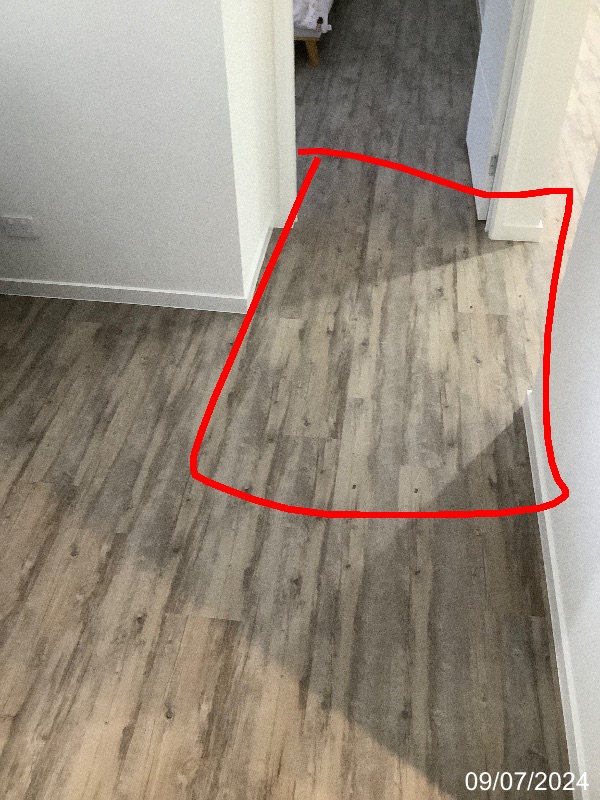
Note a repeatable floor squeak, movement underfoot, lifting edges, cracked tiles or a change at a doorway transition. Mark the location on a simple room sketch and record whether the symptom changes. Photograph the wider area as well as the detail.
A creak or a hollow sound does not establish a particular concealed installation fault. For floating floors, keep the product information and care instructions: the applicable installation requirements depend on the actual flooring system.
4. Walls, ceilings and finishes
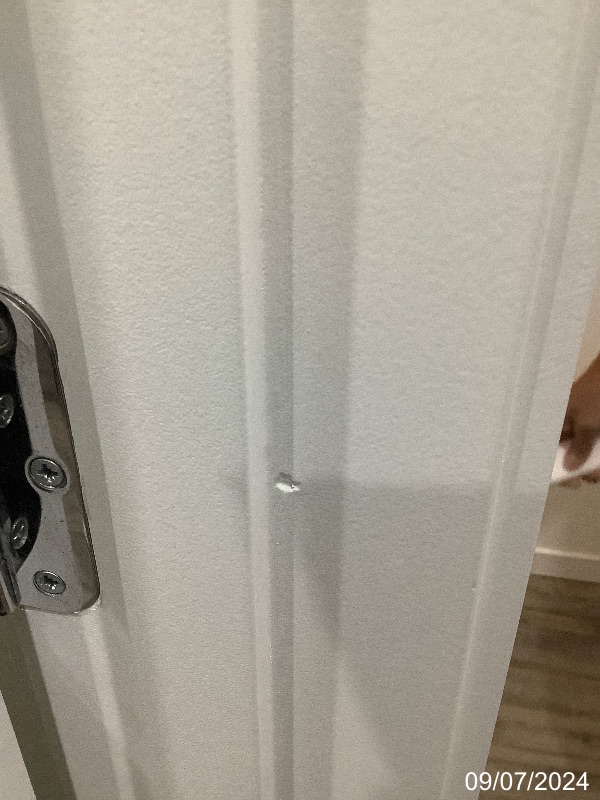
Photograph cracking, peeling or other changes in ordinary lighting, with a wider view showing their position. Keep dated comparison images if something develops. Record a crack that returns after repair rather than assuming the previous repaint resolved its cause.
Some appearance concerns need assessment under specified viewing conditions. A torch held along a wall can exaggerate surface texture, so it is not a universal acceptance test. Ask the inspector to assess the actual finish and applicable requirements rather than deciding from one dramatic photograph.
5. Accessible external areas
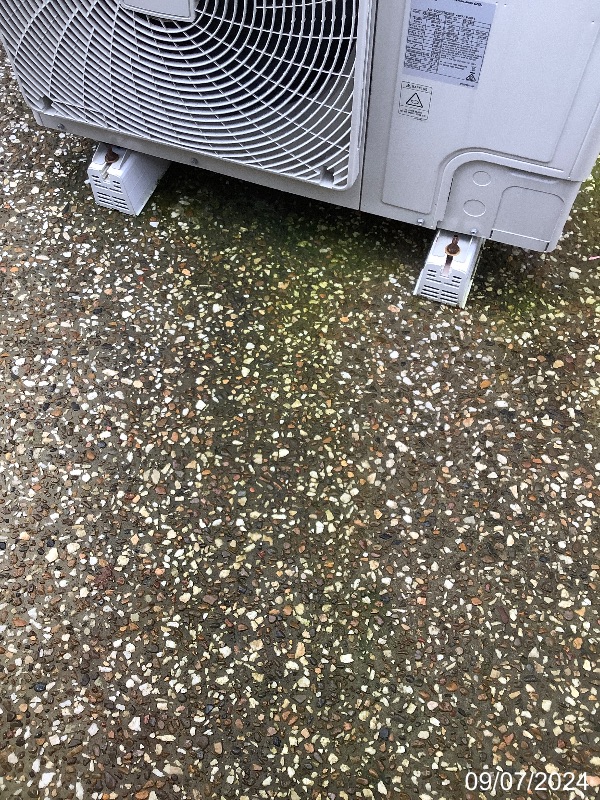
From safe ground-level locations, record water collecting where it causes concern, staining after rain, a loose fitting or a change in accessible external finishes. Note the weather and whether the area has dried by the next day. Keep photographs from more than one occasion if the problem recurs.
Do not climb onto the roof, enter an unsafe space or remove cladding to complete this checklist. Tell the inspector what you have noticed so access and any further investigation can be considered.
6. Intermittent services and specification concerns
Keep a separate record of unusual equipment behaviour and anything you believe differs from your agreed inclusions. Note the room, time and circumstances, and retain the relevant contract selection or variation. Avoid naming an installed product from appearance alone.
Electrical concerns need an appropriately licensed electrician. Do not remove a switch or power-point cover or attempt a repair. Queensland Government electrical safety guidance explains why electrical work is not a DIY task. A building inspection does not replace an electrical safety assessment or specialist equipment servicing.
What a real GoInspect maintenance report shows
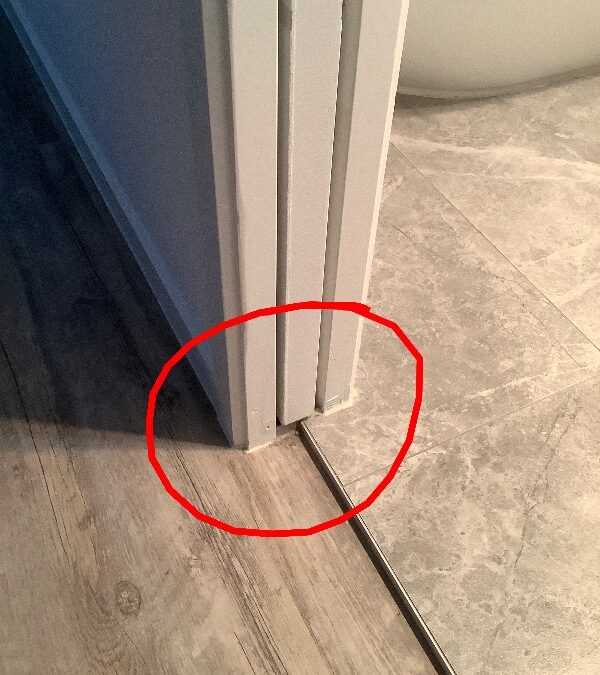
In an anonymised GoInspect maintenance report, the inspector recorded missing cavity sliding-door guides, a door that did not latch and paint items from the handover inspection that remained outstanding. These are useful reminders to track operation and unfinished repairs as well as appearance.
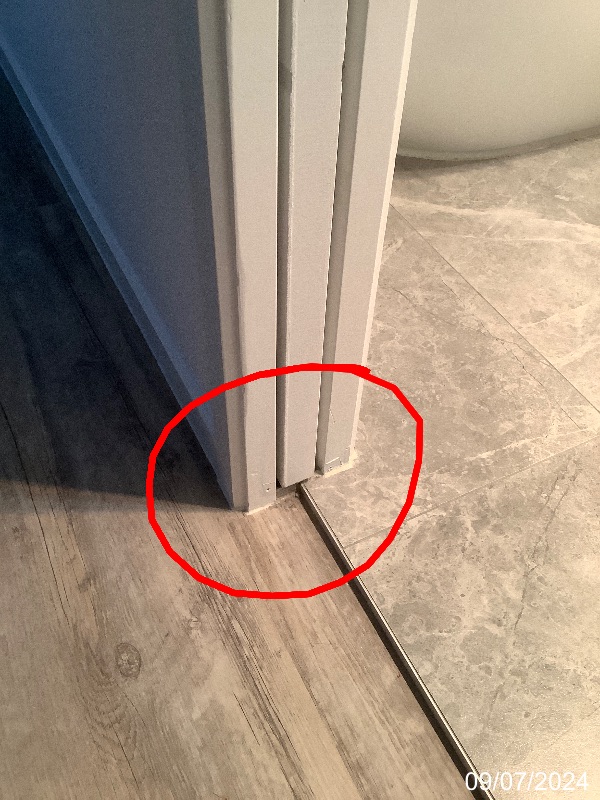
The same report separately labels several intermittent concerns as information supplied by the owner. That distinction matters. An owner’s account can guide further investigation even when the reported behaviour is not demonstrated during the visit; it should not be presented as a confirmed technical diagnosis.
Make each entry easy to follow
Use one entry per concern, with these details:
- Location: room, element and exact position.
- Observation: what you saw, heard or experienced, without assuming the cause.
- Timing: first noticed, frequency and relevant weather or use.
- Evidence: a wider photograph, a close-up and a short video if useful.
- History: original handover item, previous notice or repair date.
- Follow-up: date sent, builder’s response and current status.
Keep the original files. If you add an arrow or note to help explain a photograph, retain an unedited copy too. After a repair, record what was done and whether the original symptom has returned.
Report concerns early—12 months is not one universal deadline
Check your building contract’s notice and maintenance provisions. Queensland’s contractual maintenance period, QBCC defective-work complaint process and Home Warranty Scheme conditions are different. QBCC warns that insurance deadlines can be shorter than complaint deadlines. Do not wait for a first-year inspection if an issue has already appeared or a deadline is approaching.
Notify the builder in writing, keep a copy and follow the applicable notice process. Consult QBCC’s current defective-work guidance for Queensland eligibility and timeframes. Seek advice promptly if responsibility or the next step is disputed. Different rules apply outside Queensland.
When an independent maintenance inspection helps
A GoInspect maintenance inspection provides a photographic assessment of visible workmanship concerns in the agreed, safely accessible areas. Send your running list and earlier reports when arranging the visit, especially photographs of intermittent issues.
The inspection records findings at that visit. It does not reveal every concealed defect, routinely test appliances, decide contractual liability or guarantee a repair outcome. Arrange it early enough to review the report and take the next steps relevant to your circumstances.
To arrange a review after moving in, check your inspection options and request a booking. Keep reporting new concerns as they arise.
Technical reference: QBCC Standards and Tolerances Guide, including its scope, viewing conditions and door-operation guidance. The applicable requirements depend on the work and circumstances.