

If you want to choose building inspector Queensland buyers can actually rely on, start with the licence, not the price or the sales office recommendation. Most new home buyers book a handover inspection with little checking, then discover a missed defect months after they have moved in. In Queensland, the licence and insurance behind an inspector’s report matter far more than how polished their website looks. This guide walks through what to verify, which questions expose weak operators, and how to match the inspection to your handover stage across Brisbane, the Gold Coast, Logan, Ipswich and Redland Bay.
Table of Contents
- Quick Takeaways
- Why Licensing Matters More Than Price
- Verifying the Licence Yourself
- Who Your Inspector Is Working For
- Indemnity Insurance and What It Protects
- Access to Roof Space, Subfloor and Concealed Areas
- Matching the Inspection to Your Handover Stage
- Comparing Your Options Before You Book
- Frequently Asked Questions
- References
Quick Takeaways
| Key Insight | Explanation |
|---|---|
| Search the licence yourself | Run the inspector’s full name through the QBCC online licence search before you pay a deposit. Do not rely on a licence number written on a quote. |
| Confirm the inspection category | Look for the Completed Residential Building inspection category on the licence card. A general builder licence does not show you that. |
| Check the name on the report | The person who signs the report should be the person you met, and their name and licence number should be printed on it. |
| Ask who receives the findings | Your inspector works for you. If they plan to discuss results with the sales agent or builder before you see them, keep looking. |
| Demand proof of access | Ask for photos of the roof space, subfloor and wet area junctions. Any area they could not reach should be listed as a limitation. |
| Look for trade-assigned defects | A usable new home report photographs each defect, names the trade responsible and gives you a list you can send straight to the builder. |
Why Licensing Matters More Than Price
In most Australian states, anyone can call themselves a building inspector, regardless of qualifications or construction experience. Queensland is the notable exception, and that is where your protection as a buyer begins. The Queensland Building and Construction Commission (QBCC) is the body that licenses the inspection work.

In practice, the bigger risk is rarely a dishonest inspector. It is an underqualified one who misses a poorly fixed lintel, misreads a drainage fall or writes a report vague enough that a builder can dismiss it in one email. Published guidance on Australian inspector licensing notes that unqualified operators produce reports of very uneven quality, and buyers have no licensing board to complain to when things go wrong.
What the Queensland licence category actually covers
For pre-purchase inspections, Queensland requires the inspector to hold a QBCC licence that includes the Completed residential building inspection category. That rule is written for pre-purchase work, but a new home handover inspection is the same kind of technical assessment, so it is the right benchmark to apply.
When you ask for proof, request the licence card itself. The card shows the category, which lets you confirm the inspection endorsement at a glance.
Why a builder licence is not the same thing
Some inspectors hold a builder licence and present it as proof they can inspect. A builder licence is a different authority, and without the inspection category the indemnity cover behind the report may not apply. Ask for the inspection category by name, not just “a QBCC licence”.
Pro tip: Ask the inspector to email you a photo of the licence card before you book. A confident operator will send it within minutes, and a hesitant one usually tells you something about the rest of the job.
A licence tells you that someone has been tested. The report tells you whether they actually did the work.
Verifying the Licence Yourself
Do not accept a licence number from a flyer, a text message or a sales agent. Search the QBCC register yourself using the inspector’s full name, call the QBCC on 139 333, or use the QBCC website at www.qbcc.qld.gov.au. Verification takes a few minutes and tells you more than any sales pitch.
Searching the register with the full legal name
Search using the name on the licence, not a nickname or a trading name. If the inspector works through a company, search both the individual and the company, then confirm the category matches the work you are paying for. A licence that exists but covers a different trade is still the wrong licence for your handover.
While you are on the register, check for any restrictions or complaints recorded against the licence holder. A single complaint is not automatically disqualifying, but a pattern of restrictions should end the conversation.
Confirming the name and licence number appear on the report
The inspector’s name and licence number should appear on the report itself. A report issued under a company name only, with no individual accountable for the findings, is a warning sign. Insist on speaking to the person who will walk through the property, not a receptionist.
Pro tip: Run the licence search again on the day you sign the engagement, not only on the day you book. Licence status can change between the two dates, and you want the check to reflect the job you are actually hiring them for.
Who Your Inspector Is Working For
Your inspector’s client is you, not the agent, the sales office or the developer. In new home sales, those parties often expect to see the report, and some inspectors discuss findings with them before the buyer has read a word. That early conversation can weaken your position before you have had a chance to negotiate.
Ask directly before you book who receives the report and when. If an inspector says it is fine to share results with the agent first, remind them who is paying the fee. You want a clear answer, and a hesitant one is useful information.
Putting the client relationship in writing
Ask for an engagement that states you are the client and the report is issued to you. Reputable operators do not object to this. An inspector who resists a plain statement of who they work for has told you exactly how the report will be used.
Why independence makes defect disputes easier
Builders dispute defect reports often enough that buyers should expect it. A report written for you, backed by photographs and issued without prior discussion with the seller side, is much harder to wave away. Keep a copy of every version, and treat the first report as the record that matters.
Pro tip: Ask the inspector to confirm in writing that the report will be sent to you first, and that you may forward it to your builder or developer yourself. This removes any doubt about who controls the findings.
Indemnity Insurance and What It Protects
Professional indemnity insurance is what stands behind an inspector when a defect is missed and the cost lands on you. Without current cover, a legitimate complaint can end up with nowhere to go. Treat insurance as a core selection criterion, not a footnote in the terms.
One published baseline for pre-purchase inspectors asks for a building industry qualification, around nine years of building industry experience and active professional indemnity insurance. Those benchmarks work just as well when you are assessing a new home inspector.
What to request in writing
Ask for a current certificate of currency that names the individual or the business that will carry out the inspection. Check the policy is active on the date of your inspection, not only at the time of booking. A verbal assurance that “we’re covered” is not evidence.
Keeping pest and building inspections separate
Some operators offer both building and pest checks in one visit. A builder licence does not qualify someone to do a pest inspection, because builders do not carry out termite treatments and are not trained to detect termite activity. Pest inspection requires a pest control licence covering both inspection and treatment, so book those two services separately if needed.
Pro tip: If an inspector cannot show you the insurance certificate before your inspection, do not pay the deposit. Paying first and chasing paperwork later is the wrong way round.
Access to Roof Space, Subfloor and Concealed Areas
An inspection is only as good as the areas the inspector can reach. Many of the defects that cost new home owners money sit behind linings, under sarking or in roof cavities that nobody looks at unless someone insists. Access is a selection criterion, and it should be discussed before the day of the inspection.
The “I checked it from inside” answer
Roof and concealed-area coverage depends on the agreed inspection scope and safe access. GoInspect’s standard residential inspection does not include an external roof inspection. A drone roof inspection can be arranged for an additional fee. Confirm any roof-void, subfloor or other specialist access requirements before booking; an inspection cannot assess every concealed element.
Photos as proof of what was inspected
Agree the accessible areas and any specialist roof or concealed-area checks with your inspector before booking. Record access limitations in the report.
When an area cannot be accessed, the report should say so clearly as a limitation. A report that stays silent about gaps is worse than one that lists them, because silence reads as a clean bill of health.
Pro tip: Attend the inspection if you can. Ask the inspector to show you the areas they checked and the areas they could not reach. An inspector who is comfortable with your presence usually has nothing to hide.
Matching the Inspection to Your Handover Stage
New homes move through stages, and the timing of your inspection should match the milestone you actually have, not the one a salesperson mentions in passing. Your building contract defines practical completion, and the handover and settlement dates usually follow from it. Confirm those dates in writing before you book.
Pre-handover inspection
A pre-handover inspection is best booked after the builder says the home is ready, but before you take the keys. That gives the builder a clear window to rectify defects before you move in. Booking too late leaves you negotiating a fix while the furniture is already in the truck.
Pre-settlement inspection
A pre-settlement inspection is timed close enough to settlement that findings can be raised, with time left for a re-inspection before you are committed. Leaving it too late removes your leverage, and leaving it too early means the builder may still be working on the property. Ask the inspector how they schedule around your settlement date.
Re-inspection and defect follow-up
A useful report gives you a list of defects organised by trade, so you can send it to the builder and track each item. Most buyers forget the second visit. Book the re-inspection date before you sign off the first report, so the rectification work has a deadline.
Your GoInspect price depends on the inspection service, property type, size and location. Use the current online quote calculator for your property rather than relying on an old starting price. Builder and developer projects need a project-specific quote.
Pro tip: Ask the builder to confirm the rectification timeframe in writing once you have the report. A clear date turns a general complaint into a tracked job.
Comparing Your Options Before You Book
Most Queensland buyers choose between three broad options when they need a check of a new home. Each has a place, but only one is designed to give you an independent, licensed assessment for your own benefit. Understanding the trade-offs helps you avoid paying for a report that does not answer the questions you care about.
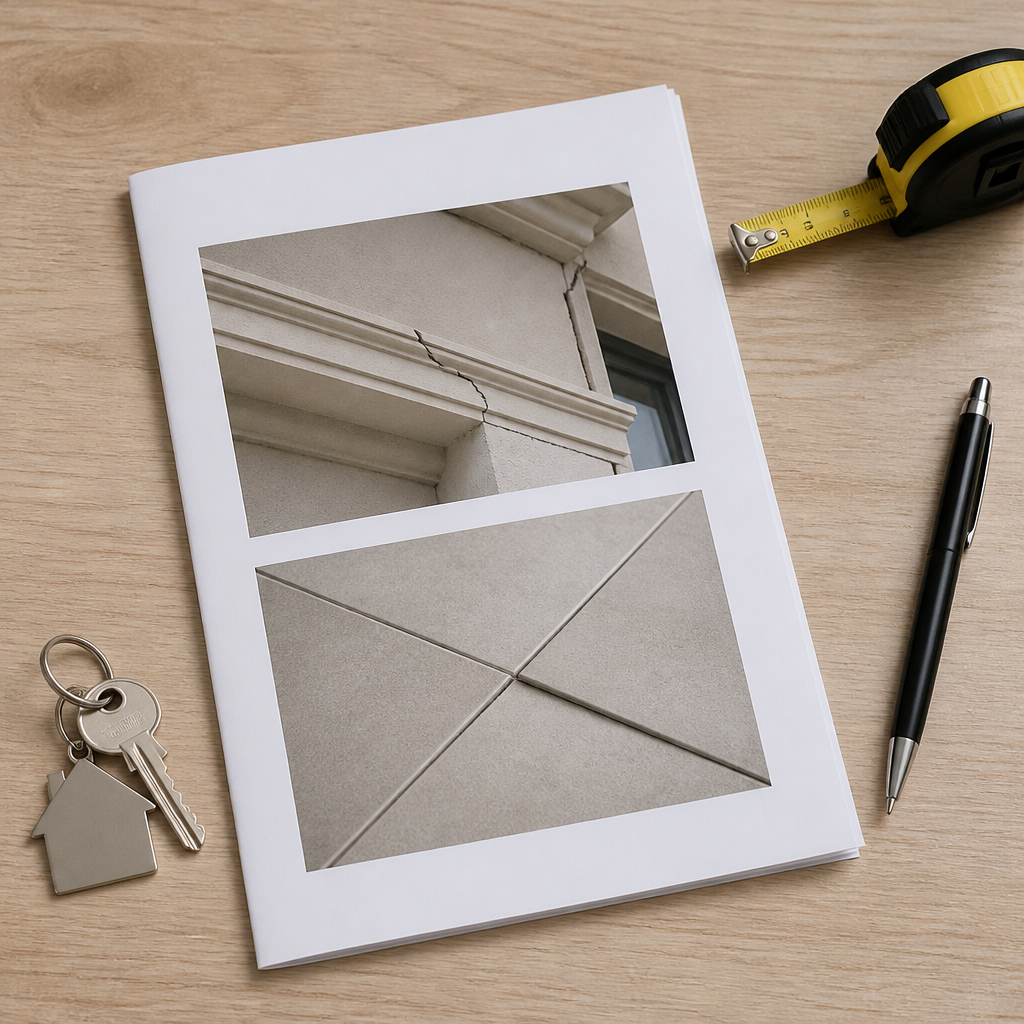
The table below compares the three options on the factors that matter most when a defect is disputed.
| Option | Strengths | Main Risk |
|---|---|---|
| Independent licensed building inspector | Works for you, holds the QBCC inspection category, carries indemnity insurance and can issue a photo-backed report. | Quality varies, so you must check the licence, insurance and sample report before booking. |
| Builder’s own final quality check | Familiar with the build and may catch obvious finishing issues quickly. | The builder is assessing their own work, and the results rarely come with the independent record a dispute needs. |
| Generalist or pest-only operator | Often cheaper and may suit a narrow pest check. | Usually lacks the building inspection licence or indemnity cover for a full handover assessment. |
Reading a sample report before you book
Ask for a sample report before you commit. Check that defects are photographed, that each one names the responsible trade and that limitations are stated plainly. A sample with vague descriptions and no photos will produce the same kind of report for your home.
The sample also shows you how the inspector writes for a non-specialist reader. If the language is clear enough for you to hand to a builder without rewriting, you have found a useful operator.
Frequently Asked Questions
Do I need a licensed building inspector for a new home in Queensland?
Yes, you should insist on one. Queensland requires building inspectors to hold a QBCC licence with the relevant inspection category, and that protects you if the report turns out to be wrong.
How do I check a building inspector’s licence in Queensland?
Search the QBCC online register using the inspector’s full name, or call the QBCC on 139 333. Check that the inspection category is current and look for any restrictions or complaints recorded against the licence holder.
How much does a new home inspection cost in Queensland?
Check your current residential inspection price, or request a project quote for a builder or developer inspection program.
Should I attend the inspection myself?
Yes, where possible. Being present lets you see the areas checked and the areas that could not be reached, and it gives you the chance to ask questions on the spot. An inspector who refuses to let you attend is a reason to look elsewhere.
What is the difference between a pre-handover and a pre-settlement inspection?
A pre-handover inspection happens before you take the keys, giving the builder a window to fix defects before you move in. A pre-settlement inspection is timed close to settlement, so findings can still be raised with enough time left for a re-inspection.
Can the builder’s own inspector check my new home instead?
A builder’s check is not independent, because the builder is assessing their own work. For a report you can rely on in a dispute, use an independent licensed inspector who works for you.
Tell us in the comments what your inspector caught on your Queensland handover, or what you wish you had asked before you booked.
References
- Overview of which Australian states require building inspectors to be licensed
- Checklist of questions to ask before hiring a building inspector in Queensland