
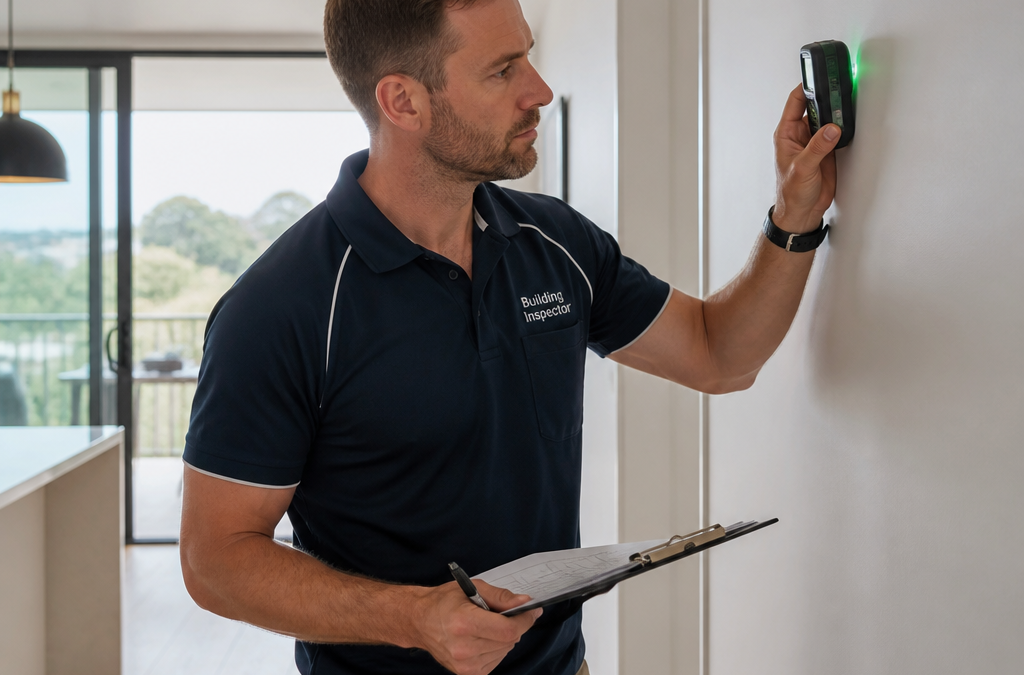
Signing off on a new home without an independent inspection is one of the most expensive mistakes a Brisbane buyer can make. Defects hidden behind fresh paint, misaligned roof trusses, and waterproofing failures in wet areas are routinely missed at builder walk-throughs, because the builder’s representative is not working for you. Choosing the right person to choose building inspector Brisbane-wide means knowing exactly which questions to ask before you book, not after the report lands in your inbox. This guide gives you seven direct questions, backed by what Queensland’s licensing framework actually requires, so you can make a decision you won’t regret at settlement.
Table of Contents
- Why Your Choice of Inspector Matters More Than You Think
- Comparing Your Options for a New Home Inspector in Brisbane
- Frequently Asked Questions
- References
Why Your Choice of Inspector Matters More Than You Think
| Key Insight | Explanation |
|---|---|
| QBCC licensing is the legal baseline | In Queensland, inspectors must hold a Completed Residential Building Inspection licence issued by the QBCC or work under a licensed company. An unlicensed inspection report has no legal standing if disputes arise. |
| Public liability is not the same as professional indemnity | Public liability covers accidents on site. Professional indemnity covers the inspector’s errors and omissions. You need both confirmed before booking. |
| The person who quotes you may not be the person who inspects | Some inspection companies operate as brokers, outsourcing inspections to subcontractors. Always ask who physically attends your property. |
| Photo-enhanced reports speed up defect rectification | A report with clearly labelled photos and trade assignments gives builders and their subcontractors unambiguous direction, reducing back-and-forth before handover. |
| Same-day reporting protects your settlement timeline | New home settlements can move quickly. Receiving your report the same day as the inspection gives you time to respond to the builder before settlement is locked in. |
| High-rise and house inspections are different scopes | Apartment and high-rise inspections involve common property, lift lobbies, and strata-specific defects. Not every inspector is experienced in both formats. |
| Price below $500 should raise a question, not excitement | Reputable licensed inspectors across Brisbane start around $550 including GST. Significantly cheaper quotes often mean an unlicensed operator or a cut-down scope of work. |
The difference between a thorough new home inspector Queensland-based and one who simply walks through with a clipboard is not always visible from a website. It shows up in whether defects get fixed before you move in or become your problem after settlement. The seven questions below are the ones that separate competent, accountable inspectors from operators you should avoid.
Are You Licensed by the QBCC?
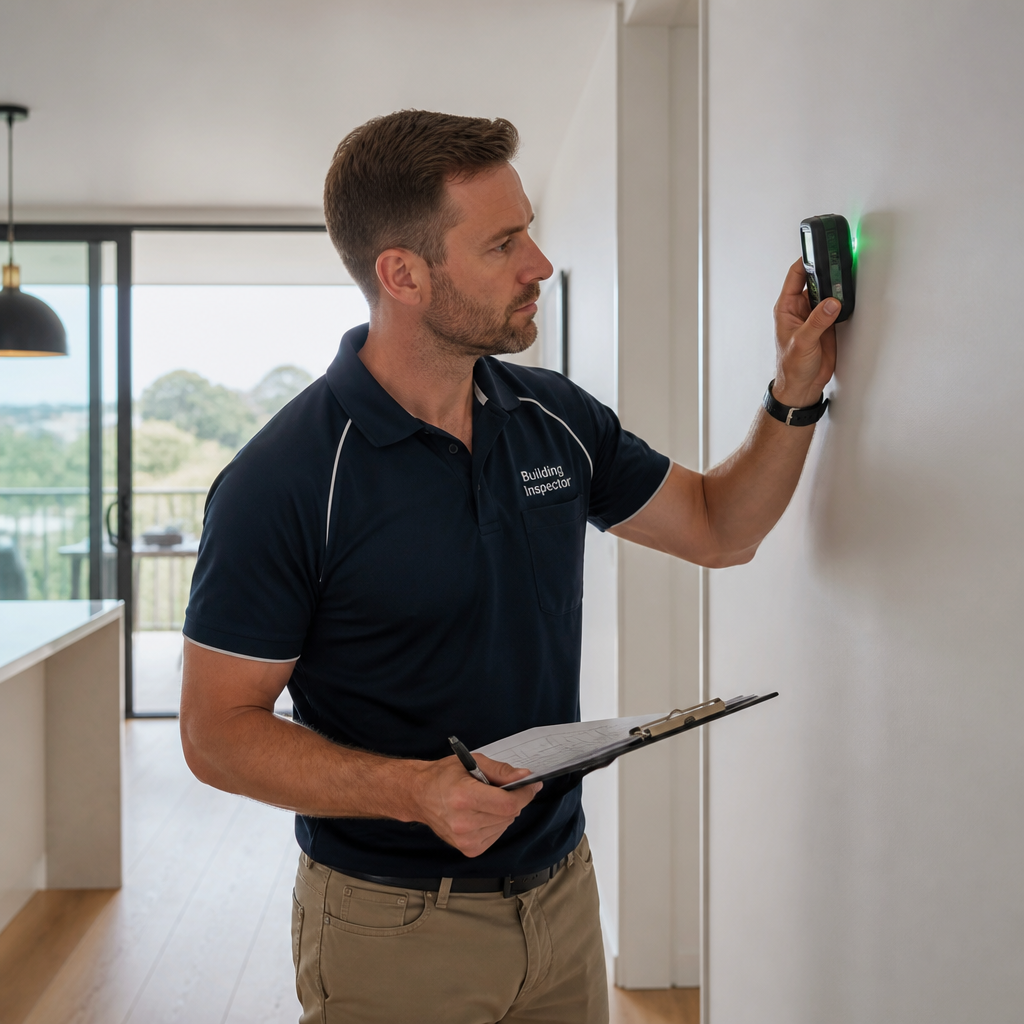
This is not a formality. In Queensland, conducting a completed residential building inspection without a QBCC licence is illegal. The Queensland Building and Construction Commission issues the Completed Residential Building Inspection licence, and obtaining it requires at least five years of experience as a licensed builder, building surveyor, or equivalent qualified role. The regulator also mandates compliance with Australian Standard AS 4349.1 for pre-purchase and pre-handover inspections.
Ask for the inspector’s QBCC licence number and verify it on the QBCC licence search tool before booking. This takes under two minutes and confirms the licence is current, not lapsed or suspended. A genuinely qualified inspector will give you this number without hesitation. Any hesitation is a red flag.
Pro tip: GoInspect operates with fully licensed inspectors across Brisbane, Gold Coast, Logan, Ipswich, and Redland Bay. If the company you are considering cannot immediately provide a QBCC licence number, move on.
What the QBCC Licence Actually Means for You
A QBCC-licensed inspector is accountable to the regulator, not just to their own internal standards. If their work falls below the required standard, you have a formal complaints pathway. An unlicensed inspection, regardless of how detailed it appears, gives you no such recourse and no legal foundation if you need to pursue a builder for defect rectification.
Do You Hold Professional Indemnity Insurance?
This is where many homeowners get caught out. Professional indemnity insurance covers the inspector’s errors and omissions. If your inspector misses a significant structural defect and you suffer financial loss as a result, professional indemnity is what gives you a path to compensation. Public liability insurance, which most operators hold, only covers physical incidents on site during the inspection itself.
Ask specifically for a current Certificate of Currency for both public liability and professional indemnity insurance. Do not accept a verbal assurance. If an inspector carries only public liability, their report is worth considerably less if it turns out to be wrong about something material.
The Certificate of Currency Test
A Certificate of Currency confirms the policy is active at the date of your inspection, not just purchased at some point in the past. Policies lapse. Ask to see a current one. Reputable licensed building inspectors Brisbane-wide will have this document ready to share. If it is not available within 24 hours of asking, treat that as a disqualifying answer.
Will the Inspector Who Quotes Me Be the One Who Actually Inspects?
Some inspection companies operate as referral services or brokerages. They take your booking, quote a price, and then dispatch a subcontractor you have never spoken to and cannot verify. The inspector who attends your property may have different experience, different insurance, or a different standard of work than the company you thought you were hiring.
Ask this question directly: who specifically will attend the property, and can you speak to that person before booking? A reputable firm will connect you with the actual inspector. A broker-model operation often cannot, because they do not know yet who they will dispatch.
Pro tip: At GoInspect, the same licensed inspectors who take the booking conduct the inspection. There is no subcontracting layer, which means the accountability for what appears in your report sits with the person who was physically on site.
What Does Your Report Look Like, and When Will I Receive It?
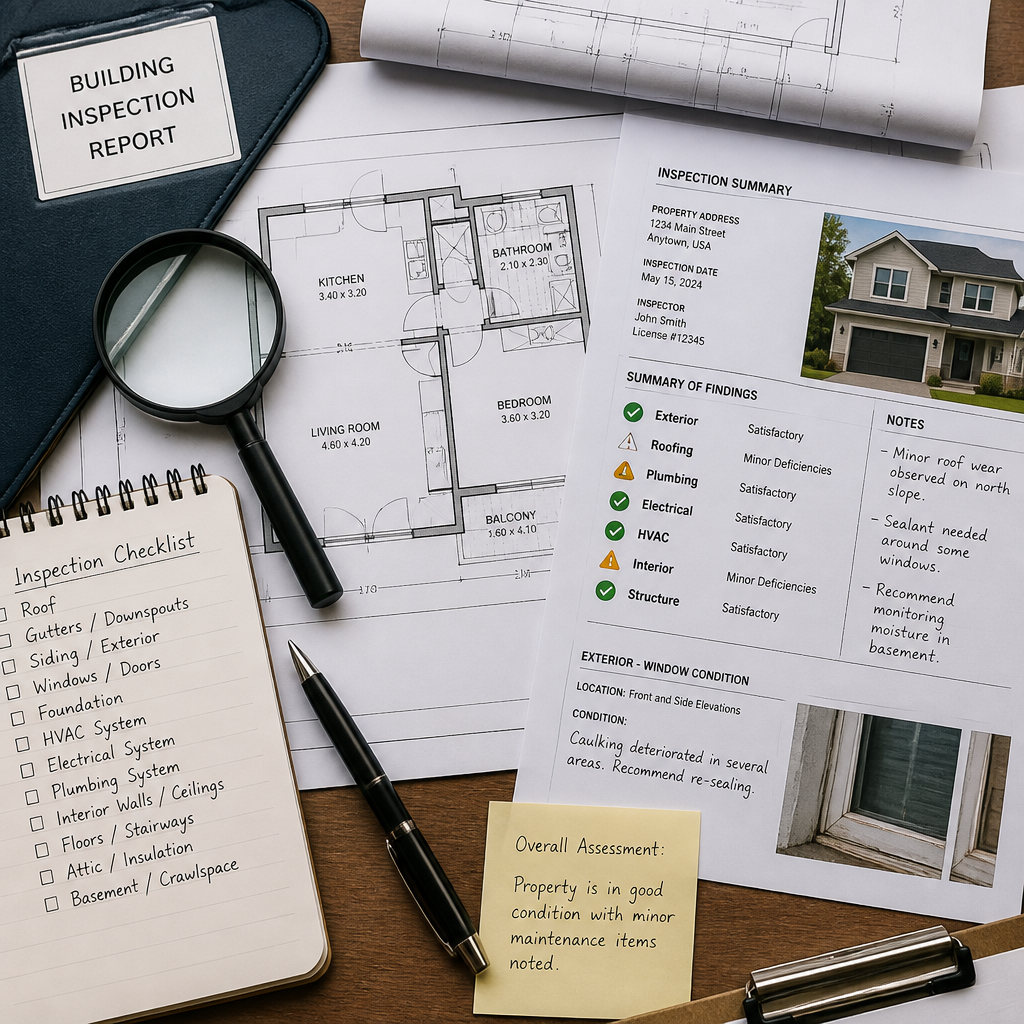
A report is the product you are paying for. Ask to see a sample before you book. Look for clear photographic evidence attached to each defect item, precise location descriptions, and a format your builder can act on without requesting clarification.
Same-day reporting matters more in a new home context than in a standard pre-purchase inspection. Builder handover schedules move quickly. If your report takes 48 to 72 hours to arrive, the window to raise defects before settlement may have closed. Confirm the turnaround time as a firm commitment, not an estimate.
What a Useful Defect Report Contains
A strong pre-handover report identifies each defect with a photograph, states its location precisely (room, surface, height), notes the applicable standard it falls short of, and indicates which trade is responsible. A vague narrative with no photos, or a generic checklist with ticks and crosses, is far less useful when you are trying to get a tiler or a painter back on site before settlement.
Do You Assign Defects to Specific Trades?
This question separates inspectors who understand how construction projects work from those who simply describe what they see. When a defect is identified, the builder needs to know which subcontractor to call. A report that groups all defects under a single heading creates confusion and delays. A report that says “plasterboard tape lifting at ceiling-wall junction, plaster trade” or “incomplete grout line at ensuite floor perimeter, tiling trade” is immediately actionable.
GoInspect’s reports assign each defect directly to the responsible trade. This is not just a convenience feature. It reduces the time between inspection and rectification because there is no ambiguity about who needs to return to site. For investors managing multiple settlements or builders running several projects concurrently, this specificity is operationally significant.
Why Trade Assignment Matters for Builders and Developers
Builders and developers working with GoInspect on larger residential projects appreciate trade-specific reporting because it translates directly into site management efficiency. A single clear instruction to a subcontractor avoids the cycle of the builder reviewing the report, re-interpreting it, communicating it to the trade, and then following up. The defect list becomes a task list.
Have You Inspected This Type of Property Before?
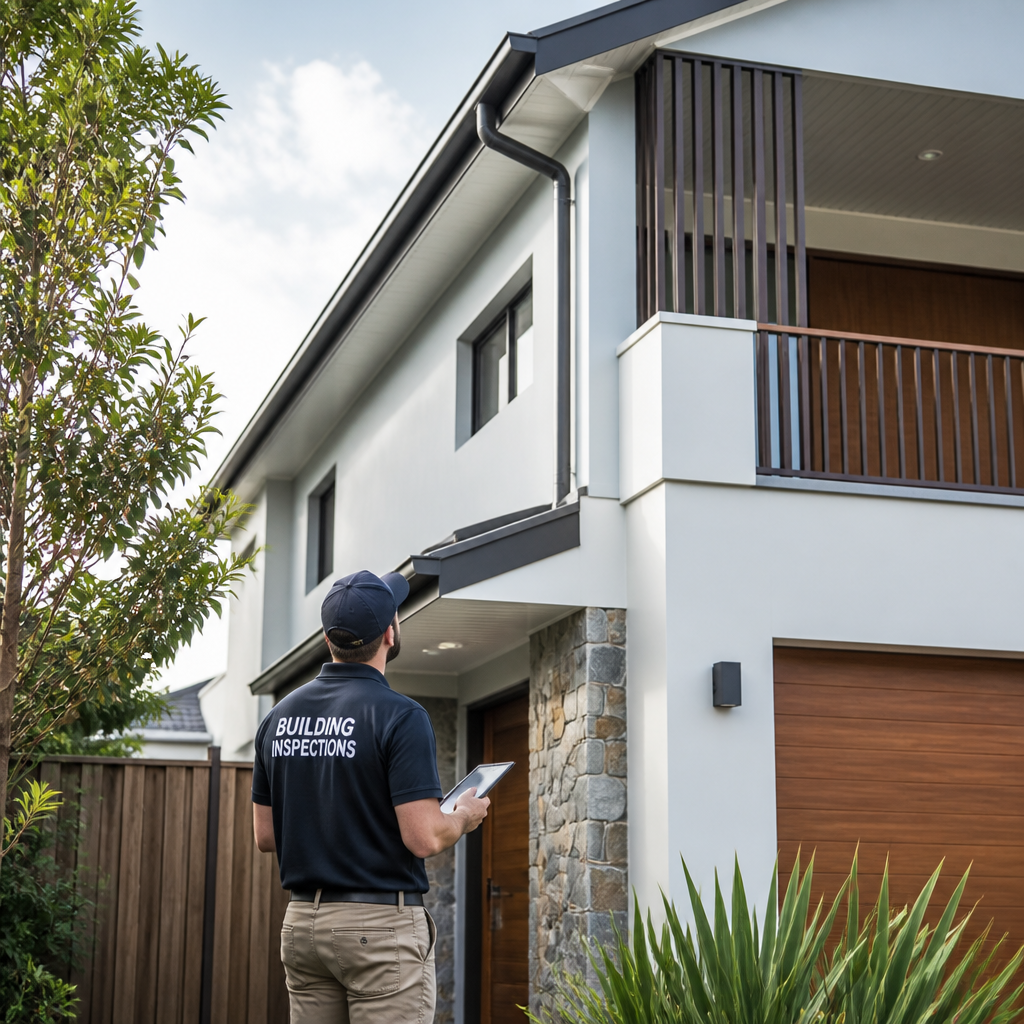
A house in Logan and a high-rise apartment on the Gold Coast require different inspection expertise. Single-dwelling pre-handover inspections focus on structural elements, roof, wet areas, external drainage, and interior finishes. High-rise and unit developments add common property, fire services, lobby finishes, and strata-specific defect categories to the scope.
Ask directly whether the inspector has experience with your specific property type. If you are buying a townhouse in a complex of 60 dwellings, ask how many similar developments they have inspected and whether their reports are formatted to separate individual lot defects from common property defects.
A pre-handover inspection should be conducted by an independent, qualified inspector, not the builder or agent. The inspector’s role is to identify what falls short, assign responsibility clearly, and give the buyer a documented basis for rectification before settlement is completed.
GoInspect’s Customised Reports for High-Rise Developments
GoInspect provides customised inspection reports for high-rise developments, which differ structurally from standard housing reports. For property investors purchasing in multi-storey developments across Brisbane and the Gold Coast, this distinction is material. A generic inspection template applied to a complex development produces a less useful document than one designed for that context.
What Areas of Brisbane and South East Queensland Do You Cover?
Coverage matters more than it seems. An inspector who primarily operates in inner Brisbane but accepts bookings across South East Queensland may handle your Redland Bay or Ipswich property by sending an unfamiliar subcontractor or by attending with less frequency, which can affect scheduling reliability. Confirm that your property’s location is within the inspector’s standard service area, not an occasional exception.
GoInspect’s standard service area covers Brisbane, Gold Coast, Logan, Ipswich, and Redland Bay without additional travel surcharges. For buyers or investors active across multiple parts of South East Queensland, working with a single inspector who knows these markets well is more reliable than sourcing a different provider for each location.
Comparing Your Options for a New Home Inspector in Brisbane
When comparing providers, it helps to look beyond price and consider what you are actually getting at each level. The table below outlines three broad inspector types you will encounter in the Brisbane market and what each typically offers.
| Inspector Type | What You Typically Get | Key Risk |
|---|---|---|
| QBCC-licensed specialist (e.g. GoInspect) | Fully licensed inspector, photo-enhanced report with trade assignments, same-day delivery, coverage across Brisbane, Gold Coast, Logan, Ipswich, Redland Bay, from $550 including GST | Minimal if licensing, insurance, and service area are confirmed upfront |
| National franchise or booking platform | Brand recognition, standardised report format, variable local inspector quality depending on franchisee | Subcontractor model means you may not know your inspector’s background until inspection day |
| Low-cost operator (under $400) | Basic checklist, often without licensed inspector or professional indemnity insurance, fast turnaround | No legal standing if defects are missed, no recourse through QBCC, minimal trade-specific detail |
The comparison above is not about brand loyalty. It is about understanding what each tier of service delivers and what happens when things go wrong. For a property purchase starting at several hundred thousand dollars, the difference between a $400 and a $550 inspection is not where the decision should sit. The question is whether the report will actually get your defects fixed.
Frequently Asked Questions
What is the difference between a pre-handover inspection and a practical completion inspection?
These terms are often used interchangeably for the same inspection conducted when a new home reaches building completion and before the buyer takes possession. Some contracts use “practical completion inspection” as the formal term under the building contract, while “pre-handover” describes the timing. Both refer to the same process: an independent assessment of the completed property against contract specifications and applicable building standards before final payment and key collection.
Can a builder legally refuse to allow an independent inspector at the handover?
In practice, builders in Queensland cannot reasonably prevent you from bringing an independent inspector to the handover. Your right to inspect before settlement is a standard part of any new home contract. If a builder resists or attempts to limit access, treat this as a significant warning sign about the condition of the property. Always confirm the inspection date with your builder well in advance and have your GoInspect booking confirmed before you set the handover date.
How long does a new home inspection in Brisbane typically take?
A standard single-dwelling pre-handover inspection typically takes between two and four hours depending on the size and complexity of the property. Larger homes, dual occupancies, and townhouses within a complex may take longer. High-rise apartment inspections can vary considerably depending on whether common property is included in the scope. Ask your inspector for a time estimate based on your specific property before booking.
Should I be present at the inspection?
Being present at your inspection is worthwhile if your schedule allows it. It gives you the opportunity to ask the inspector questions in real time, see defects firsthand rather than only in photographs, and clarify any specific concerns you had noted from your site visits during construction. However, a competent inspector does not require your presence to produce a thorough report. If you cannot attend, same-day reporting ensures you still receive the findings before your window to respond to the builder closes.
What are the most common defects found in new Brisbane homes?
Across new builds in Brisbane and South East Queensland, the most frequently documented defects in pre-handover inspections include paintwork issues such as uneven coverage, drips, and missed areas; tiling defects including lippage, hollow tiles, and incomplete grouting; door and window alignment problems; waterproofing failures in wet areas such as bathrooms and ensuites; roof and gutter installation issues; and drainage that has not been correctly graded. These are not rare edge cases. They appear on a significant proportion of new home inspection reports, which is precisely why an independent inspection before handover is worth the cost.
Is a licensed building inspector Brisbane-based required to follow Australian Standards?
Yes. The QBCC requires Completed Residential Building Inspection licence holders to comply with Australian Standard AS 4349.1, which covers the inspection of buildings including residential pre-purchase and pre-handover inspections. This standard sets out the minimum scope of inspection, the format of reporting, and the inspector’s obligations regarding the limitations of a visual inspection. When your inspector follows AS 4349.1, their report has a defined scope, which matters if you need to use the report in a dispute with your builder.
If you have gone through the new home inspection process recently, we would genuinely like to hear what questions you found most useful to ask, and what you wished you had asked before you booked.
References
- What to check before hiring a building inspector in Queensland, including the importance of speaking directly with the inspector who will attend
- How the QBCC regulates building inspectors in Brisbane and what qualifications a licensed inspector must hold
- QBCC official eligibility requirements for the Completed Residential Building Inspection licence in Queensland
- Guide to the differences between building inspector types in Brisbane, including the distinction between public liability and professional indemnity insurance
- Why independent handover inspections matter for new builds in Brisbane and the most common defect categories found