
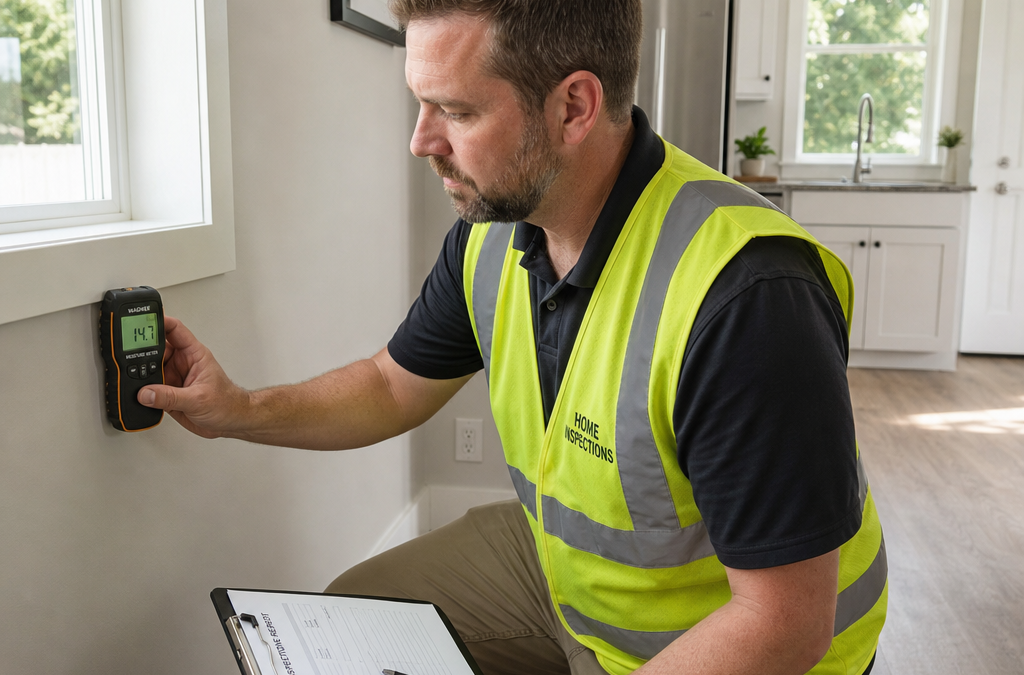
Most granny flat owners in Queensland assume the builder will hand over a finished, defect-free dwelling because the contract says so. That assumption costs thousands of dollars to fix after settlement. A granny flat inspection Queensland is not a luxury reserved for large home builds. It is a practical necessity, and the data from pre-handover inspections consistently shows that secondary dwellings carry defect rates comparable to full-size new homes, often with less scrutiny applied during the build process.
Table of Contents
- Quick Takeaways
- Why Granny Flats Are Not Exempt From Defects
- What a Granny Flat Handover Inspection Covers
- Queensland Regulations and Your Rights
- Granny Flat vs Full Home Inspection: What Changes
- Comparison: Inspection Approaches for Secondary Dwellings
- Secondary Dwelling Inspection Brisbane: What Local Conditions Mean for Defects
- How to Prepare for Your Granny Flat Inspection
- Frequently Asked Questions
- References
Quick Takeaways
| Key Insight | Explanation |
|---|---|
| Granny flats attract the same defect categories as full homes | Waterproofing failures, incomplete flashings, and electrical non-compliance appear regularly in secondary dwelling inspections across Brisbane and the Gold Coast. |
| A handover inspection is separate from a council sign-off | A certificate of occupancy confirms minimum code compliance. It does not identify cosmetic defects, incomplete finishes, or trade-specific workmanship failures. |
| The defect rectification window closes fast | Queensland builders are only obligated to fix defects reported within the statutory defect liability period. Missing the handover inspection shrinks that window immediately. |
| Photo-enhanced reports are essential for trade accountability | Reports that assign defects to specific trades, such as the tiler, plumber, or renderer, remove ambiguity and speed up rectification without arguments between subcontractors. |
| Same-day reporting protects your settlement timeline | Waiting days for a written report after the inspection can delay your formal defect notice to the builder, which weakens your position legally. |
| Granny flats on investor-owned lots receive less oversight during construction | Builders constructing secondary dwellings for investors often face less day-to-day pressure from the client, which can reduce on-site quality control. |
| Starting price for a specialist inspection is $550 including GST | This covers a fully licensed inspector, a detailed defect report, and same-day delivery, which is far less than the average cost of a single uncaught defect. |
Why Granny Flats Are Not Exempt From Defects
There is a widespread belief that because a granny flat is smaller and simpler than a full home, the risk of defects is proportionally lower. In practice, the opposite is often true. Secondary dwellings are frequently constructed by smaller subcontractors or volume builders who are simultaneously managing multiple projects, and the reduced footprint does not reduce the number of trade interfaces that can go wrong.
A common mistake is treating the final council inspection as equivalent to a thorough pre-handover review. Council inspections confirm that the structure meets minimum code requirements under the Building Act 1975 (Queensland). They do not assess whether your wet areas are properly waterproofed to Australian Standard AS 3740, whether your electrical fitoff matches the approved drawings, or whether your render has delamination issues that will cause cracking within twelve months.
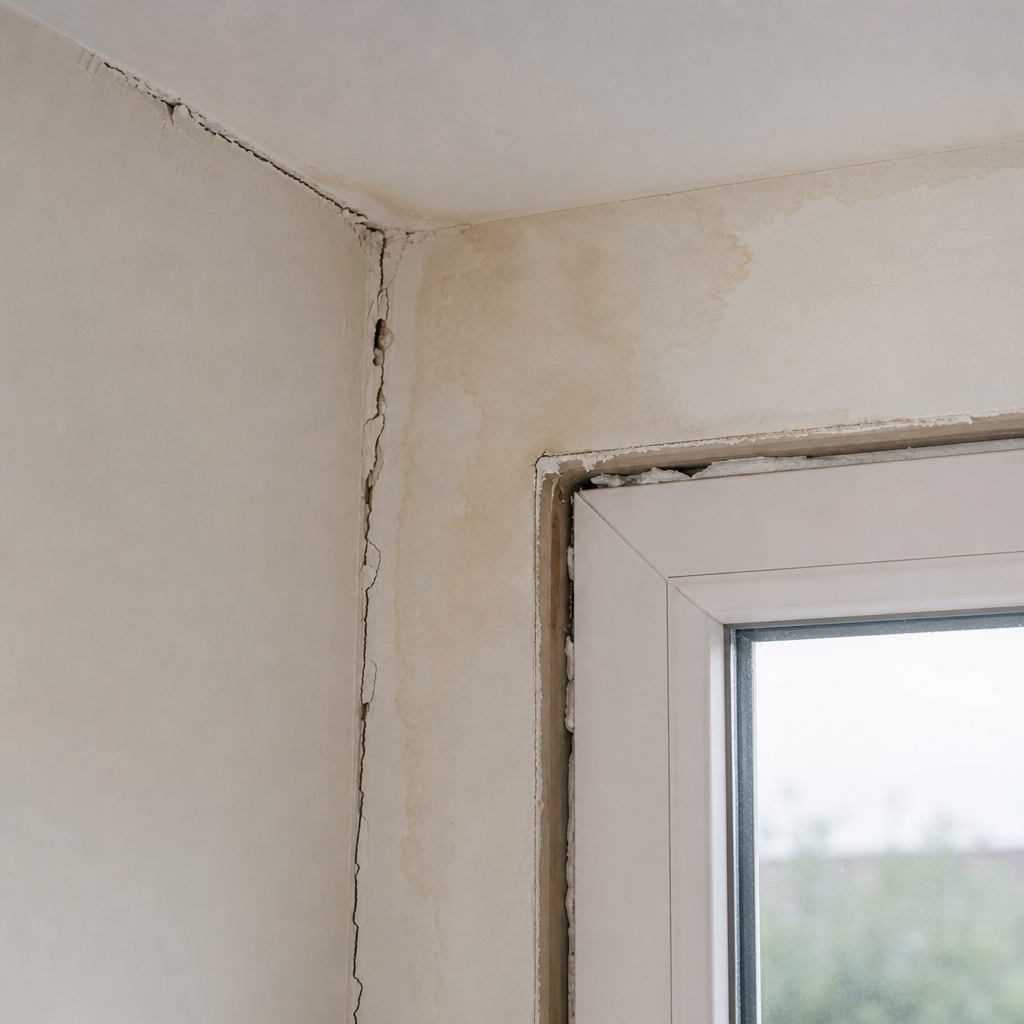
The defect categories that appear most frequently in granny flat handover inspections include waterproofing membrane failures in bathrooms and laundries, incomplete or improperly installed window and door flashings, inconsistent paint coverage and surface preparation, non-compliant electrical switchboard labelling, and gaps or misalignment in tiling that allow moisture ingress. These are not minor cosmetic issues. Many of them represent ongoing damage risks if left unaddressed after the builder leaves the site.
Pro tip: Request the builder’s final inspection checklist before your handover appointment. If they cannot produce one, that is itself a signal that internal quality control during the build was limited.
What a Granny Flat Handover Inspection Covers
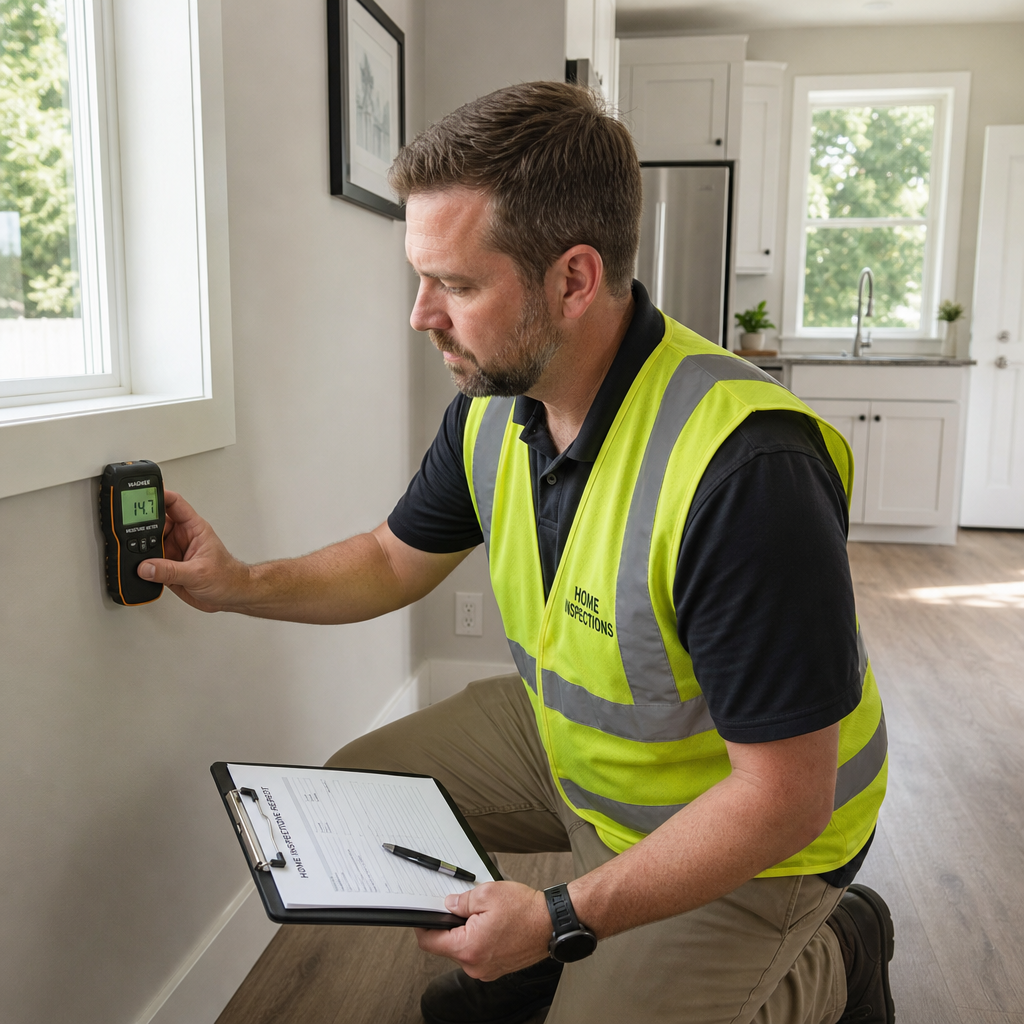
A granny flat handover inspection is a systematic assessment of every accessible element of the completed secondary dwelling, conducted by a licensed inspector before you formally accept the keys from the builder. The inspection is not a generic walkthrough. It is a trade-by-trade review that identifies specific defects, assigns responsibility, and documents everything with photographs that can be used in formal defect notices.
Structural and External Elements
The inspector will examine the roof covering, guttering, fascia, soffit, and external walls for incomplete works, water damage risks, and non-compliant installations. In Queensland’s climate, this is particularly important because driving rain events expose flashing deficiencies that are invisible in dry conditions. The inspector will also assess the concrete slab or subfloor structure for cracking, drainage issues around the perimeter, and any signs of movement.
Internal Fitout and Wet Areas
Internal inspections cover flooring, wall linings, ceilings, joinery, doors, windows, and all wet area installations. Bathroom and laundry waterproofing is checked against AS 3740 standards, which specify membrane coverage, upstand heights, and the treatment of penetrations. A common defect identified in granny flat inspections is a waterproof membrane that terminates below the required height in shower recesses, particularly on tiled feature walls where trade coordination broke down.
Mechanical and Electrical Services
Electrical, plumbing, and air conditioning installations are reviewed for visible compliance with approved plans and Australian Standards. The inspector documents missing safety switches, unlabelled circuit breakers, incorrect hot water pressure relief valve installations, and air conditioning drainage that has been directed incorrectly. These are recurring issues in secondary dwelling builds because service trades are often the last on site and under time pressure to complete.
Pro tip: On the day of your inspection, ensure all services are connected and operational. An inspector cannot assess a hot water system, electrical outlets, or air conditioning units that have no power or water supply running to them.
Queensland Regulations and Your Rights
Queensland homeowners have specific statutory protections under the Queensland Building and Construction Commission Act 1991 (QBCC Act). These protections include a statutory defect liability period during which the builder is obligated to rectify identified defects at no cost to you. For residential construction, this covers structural defects for a period of six years and three months and non-structural defects for a shorter period from the date of practical completion.
The critical point is that you must identify and formally notify the builder of defects in writing before this period expires. An inspection conducted at handover gives you the strongest possible position because the defects are documented before you have taken possession and before normal use of the property begins. Once you have been living in or renting out the granny flat for six months, a builder can argue that damage was caused by occupant use rather than construction defects, and that argument is harder to defeat without pre-handover photographic evidence.
“The QBCC requires that residential building work is carried out in a proper and workmanlike manner and in accordance with the plans and specifications for the work.” Queensland Building and Construction Commission, Consumer Guide to Building in Queensland.
This regulatory framework applies equally to secondary dwellings as it does to primary residences. Granny flats built under a separate building contract are covered in full. Granny flats built as part of a dual occupancy or integrated development may have different contractual arrangements, which is another reason to have an independent inspector review the scope of works before handover.
Granny Flat vs Full Home Inspection: What Changes
The methodology used in a granny flat inspection is the same as a full home pre-handover inspection, but the scope adjusts to the build type. Granny flats typically have a single wet area configuration, a compact kitchen, and a smaller electrical load, which changes the proportion of time spent on each trade category. What does not change is the rigour applied to each element assessed.
Granny flats built on existing residential lots in Brisbane, Logan, and the Gold Coast often share services with the primary dwelling. Shared water meters, shared electrical mains, and shared stormwater connections introduce defect categories that do not appear in standalone home inspections. An inspector who understands secondary dwelling construction will check these interface points for compliance with the connection requirements specified in the approved plans and any relevant easement conditions.
Another difference is site access. Granny flats are frequently positioned at the rear of a lot, and construction traffic may have caused damage to shared driveways, fencing, and garden infrastructure that the builder is obligated to reinstate. This reinstatement work is commonly incomplete at handover and needs to be captured in the defect report before you accept the dwelling.

Comparison: Inspection Approaches for Secondary Dwellings
Not every inspection service approaches granny flat and secondary dwelling work the same way. Understanding the differences between a general building inspection, a council final inspection, and a specialist pre-handover service matters when you are deciding what to book.
| Inspection Type | What It Covers | What It Misses |
|---|---|---|
| Council Final Inspection | Minimum code compliance with approved plans. Issues a certificate of occupancy if passed. | Workmanship quality, cosmetic defects, incomplete finishes, trade-specific failures not visible to a council officer on a brief site visit. |
| General Pre-Purchase Building Inspection | Broad assessment of the structure and condition for a buyer considering purchase. Covers major defects and safety hazards. | New construction defects below the threshold of a structural or major defect. Does not assign trade responsibility or produce a defect notice format recognised by builders and their insurers. |
| Specialist Pre-Handover Inspection (GoInspect) | Comprehensive trade-by-trade assessment with photo-enhanced reporting. Assigns each defect to a responsible trade. Same-day report delivery. Covers all elements from slab to roof. | Items deliberately concealed by the builder that are not accessible on the day of inspection, which is the same limitation for all inspection types. |
The distinction between a general pre-purchase inspection and a specialist pre-handover inspection is important for investors who own granny flats. A pre-purchase report is designed to inform a buying decision. A pre-handover report is designed to be used as a defect notice instrument that triggers a builder’s contractual obligation to rectify. These are different purposes, and using the wrong report type can undermine your ability to enforce repairs under the QBCC framework.
Secondary Dwelling Inspection Brisbane: What Local Conditions Mean for Defects
Brisbane and South East Queensland’s climate creates specific defect risks in new construction that inspectors working in other states are less likely to prioritise. The combination of high humidity, intense summer rainfall, and temperature variation between seasons means that construction materials experience stress cycles that accelerate the visibility of workmanship failures.
In a secondary dwelling inspection Brisbane context, the most climate-relevant defects include inadequate eave depths on granny flats designed with a contemporary flat or skillion roof profile, which allow driving rain to reach wall junctions that were not detailed for weather exposure. Render cracking on external walls is another climate-specific issue. Renders applied over fibre cement sheeting on granny flats in Brisbane’s western and southern suburbs often develop cracking patterns within the first wet season if the substrate was not prepared to the manufacturer’s specifications.
Lot Drainage and Granny Flat Site Works
Site drainage is a defect category that is consistently underreported in secondary dwelling inspections by inspectors who focus primarily on the building. In Brisbane’s topographic context, granny flats built at the rear of sloping lots frequently have inadequate stormwater management around the new slab, which causes ponding against the external wall base and accelerates moisture ingress into the subfloor cavity or the slab perimeter. This is a defect that belongs in the builder’s scope to rectify before handover.
Termite Management Systems
Queensland is one of the highest-risk states in Australia for subterranean termite activity. New granny flats are required to have an approved termite management system installed as part of the building approval. The type of system, whether chemical barrier, physical barrier, or a combination, must be documented in a certificate provided at handover. A missing or incomplete termite management certificate is a defect that needs to be resolved before settlement, not after.
How to Prepare for Your Granny Flat Inspection
Preparation for a granny flat handover inspection starts at least two weeks before the scheduled handover date. Booking an independent inspector in advance, rather than on the day the builder calls to say the dwelling is ready, gives you the time to schedule the inspection at a point when the builder still has trades available for immediate rectification.
Obtain a copy of the approved drawings and specifications before the inspection day. Your inspector can compare what was approved with what was constructed, which is a check that cannot be done from memory alone. Common discrepancies include window sizes, door swing directions, tile selections, and the location of electrical outlets that were changed during construction without a formal variation being documented.
On the day, confirm that all utilities are connected and operational. Ensure the inspector has unobstructed access to the roof space, subfloor if applicable, all wet areas, the electrical switchboard, and the external perimeter of the dwelling including any boundary fencing that was part of the builder’s scope. Locked gates and stored materials blocking access are the most common causes of incomplete inspections.
After the inspection, review the report carefully before signing any practical completion certificate or final payment claim from the builder. The report should clearly list each defect, include a photograph, identify the responsible trade, and present the information in a format you can attach directly to a formal defect notice. GoInspect’s same-day reporting model means you receive this document on the day of the inspection, not days later when the builder is already expecting payment.
Frequently Asked Questions
Is a granny flat inspection in Queensland legally required?
A granny flat inspection is not legally required in the same way that a council building inspection is. However, your contract with the builder almost certainly includes a practical completion clause, and signing off on practical completion without an independent inspection means you are accepting the dwelling as complete. Once you accept, your ability to enforce pre-completion defect rectification is significantly reduced. The inspection is not mandatory, but skipping it is a contractual and financial risk that rarely pays off.
How long does a granny flat handover inspection take?
Most granny flat handover inspections take between one and two hours depending on the size of the dwelling, the complexity of the finishes, and the number of defects identified. Inspections that uncover significant defect volumes take longer because each item needs to be photographed, measured where relevant, and documented accurately. A rushed inspection is worse than no inspection because it creates a false sense that the dwelling has been properly reviewed.
Can I attend the granny flat inspection myself?
Yes, and attending is strongly recommended. Being present during the inspection allows you to ask questions, understand the nature of each defect in real time, and make notes about anything the inspector points out verbally that adds context to the written report. It also prevents any suggestion from the builder that the inspector made access decisions independently. If you cannot attend, ensure you have a trusted representative present on your behalf.
What happens if the builder disputes the defects identified in the inspection report?
If the builder disputes the findings, the photo-enhanced report is your primary evidence. Each defect photograph is timestamped and tied to a specific location within the dwelling. If the dispute escalates, you can lodge a complaint with the QBCC, which has the authority to investigate and require the builder to carry out rectification work. Having a report produced by a fully licensed inspector, rather than a general handyman or unqualified assessor, significantly strengthens your complaint.
Does a granny flat inspection cover shared services with the main house?
A thorough granny flat handover inspection will assess the visible components of any shared service connections, including the point at which the granny flat’s plumbing or electrical connections interface with the primary dwelling’s services. However, the inspection does not extend to a full assessment of the primary dwelling’s existing systems. If you are concerned about the impact of the granny flat construction on the existing home’s services, discuss this scope specifically with your inspector before the appointment.
How much does a granny flat inspection cost in Queensland?
GoInspect’s pre-handover inspections for secondary dwellings and granny flats start from $550 including GST. This covers a fully licensed inspector, a comprehensive defect assessment, and same-day delivery of the photo-enhanced report. The cost of a single uncaught defect, such as a waterproofing failure requiring tile removal and membrane replacement, typically runs between $3,000 and $8,000 depending on the extent of the work. The inspection cost is not an expense. It is insurance against a much larger liability.
Have you recently gone through a granny flat handover in Queensland? Share what you wish you had known before accepting the keys, because your experience could save someone else a significant amount of money.
References
- Queensland Building and Construction Commission: consumer rights, defect liability periods, and building complaint processes in Queensland
- Queensland Legislation: full text of the Building Act 1975 and the Queensland Building and Construction Commission Act 1991
- Australian Building Codes Board: National Construction Code requirements applicable to residential secondary dwellings
- Standards Australia: AS 3740 waterproofing standards and other Australian Standards referenced in residential construction compliance
- Forbes: real estate investment analysis including due diligence practices for residential property owners and investors