
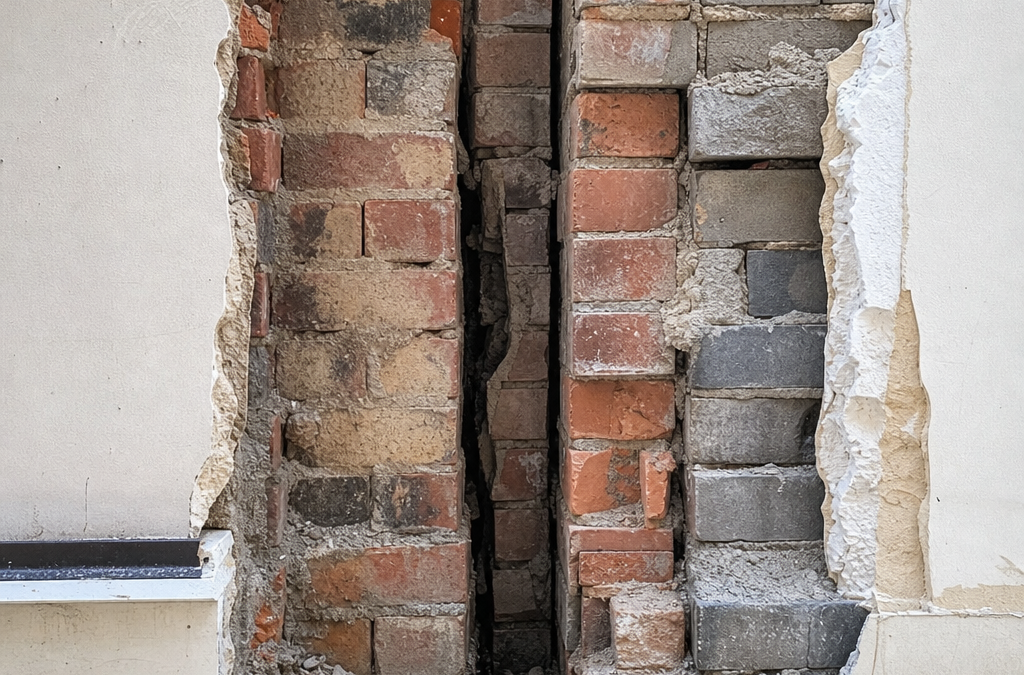
A duplex presents twice the complexity of a standard new home inspection, yet most buyers treat it as a single dwelling check. In practice, the party wall alone generates a category of defects that standard residential inspection checklists completely ignore. A duplex inspection Brisbane requires a fundamentally different approach because defects on one side of the wall routinely signal structural, acoustic, or fire-separation failures that affect both dwellings simultaneously. If you are about to settle on a duplex in Brisbane, Logan, or the Gold Coast, this guide covers exactly what to look for and why the party wall is your highest-risk zone.
Table of Contents
- Quick Takeaways
- Why Duplex Inspections Differ from Standard New Home Inspections
- Party Wall Defects: The Highest-Risk Zone in Any Duplex
- Fire Separation Compliance Failures in Brisbane Duplexes
- Acoustic Performance Issues That Only Show After Occupation
- Structural Defects That Appear on Both Sides of the Wall
- Waterproofing and Drainage Problems Unique to Duplex Layouts
- Comparing Inspection Approaches for Duplex Properties
- What a GoInspect Report Covers for Brisbane Duplexes
- Frequently Asked Questions
- References
Quick Takeaways
| Key Insight | Explanation |
|---|---|
| Inspect both sides of the duplex, not just the unit you are purchasing | Party wall defects are only visible from one side and can affect your dwelling even when the defect originates in the adjoining unit. |
| Fire-separation integrity is a non-negotiable compliance item | Under the National Construction Code, party walls in Class 1a duplex dwellings must achieve an FRL rating. Penetrations from plumbers and electricians routinely breach this. |
| Acoustic insulation gaps are invisible but legally significant | Missing or incorrectly installed acoustic batts between party wall studs are a common trade omission that no amount of paint will fix after handover. |
| Same-day photo-enhanced reports enable faster defect rectification | GoInspect assigns each defect to a specific trade, which removes ambiguity during builder negotiations and speeds up the rectification timeline. |
| Roof space above the party wall is a critical inspection zone | The fire and acoustic separation must extend to the underside of the roof cladding. Many builders stop at ceiling height, which is a clear NCC breach. |
| Drainage shared between both dwellings creates legal and maintenance risk | Incorrectly graded shared stormwater and sewer connections create ongoing disputes between owners after settlement and are expensive to rectify post-build. |
| Pre-handover is the only leverage point before title transfer | Once you accept keys, the builder’s obligation to remedy defects at no cost becomes significantly harder to enforce, especially on minor but cumulative issues. |
Why Duplex Inspections Differ from Standard New Home Inspections
A standard new home inspection checklist focuses on a single dwelling: its roof, its plumbing, its frame, its finishes. A duplex compounds every one of those categories and adds a shared legal boundary in the form of the party wall, which creates defect types that have no equivalent in a freestanding house inspection.
In practice, the party wall sits at the intersection of at least three different trade scopes: framing, fire stopping, and acoustic insulation. Each trade blames the next when defects appear, and without a report that assigns responsibility to a specific contractor, homeowners and investors are left managing a circular argument with the builder after settlement.
Brisbane’s duplex market has expanded significantly across Logan, Ipswich, and Redland Bay as dual-occupancy lots have become a preferred investment structure. The Queensland Development Code and the National Construction Code both apply, and the specific requirements for Class 1a dwellings with a common wall create compliance obligations that differ from a standard single-lot build. A new home inspection Brisbane carried out on a duplex must treat both dwellings as a connected system, not two separate buildings that happen to share a boundary.
Party Wall Defects: The Highest-Risk Zone in Any Duplex
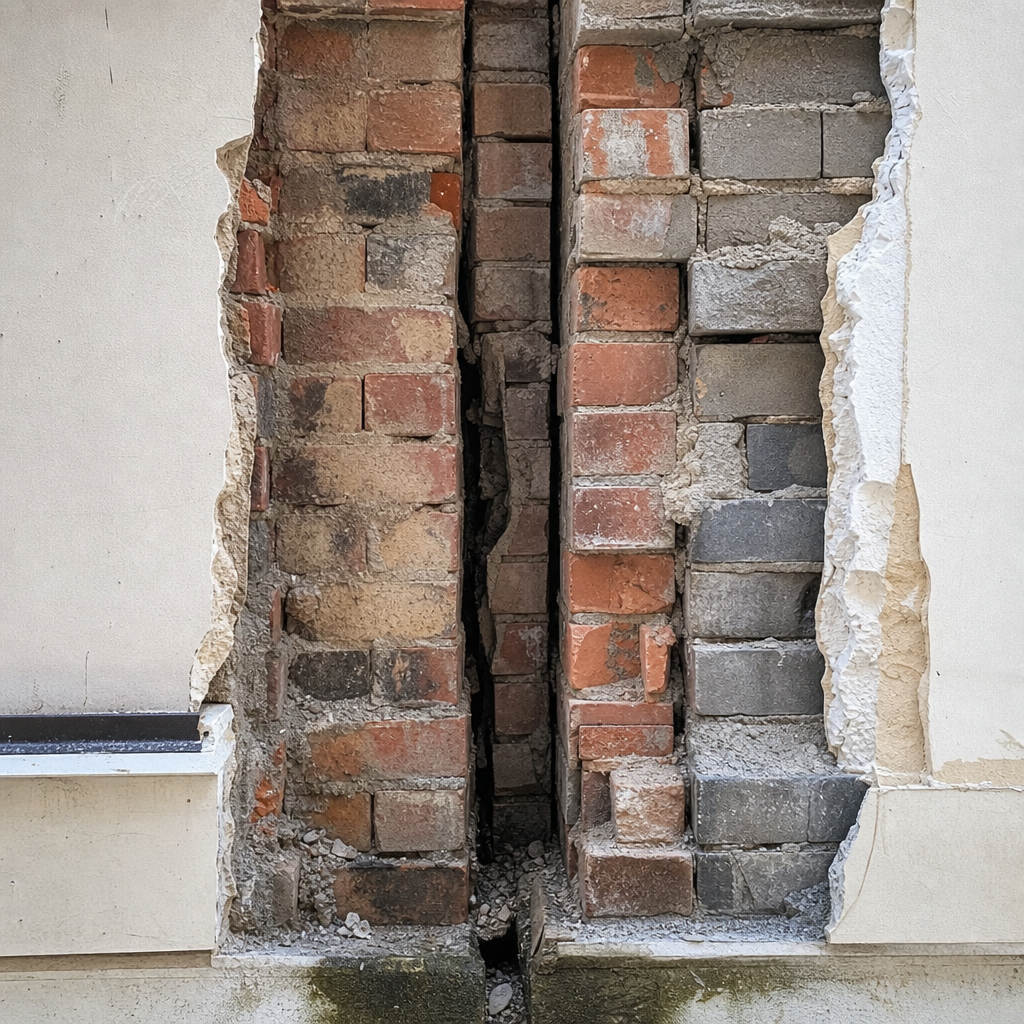
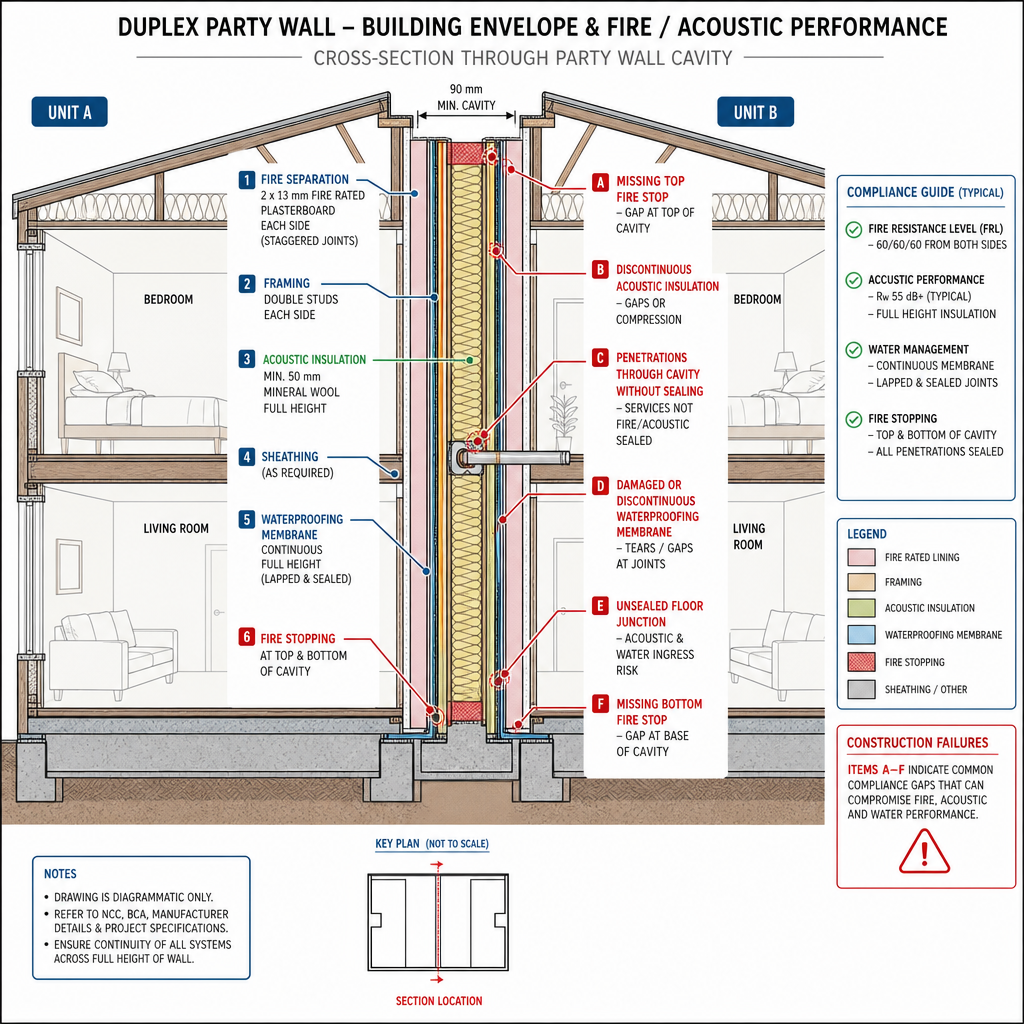
The party wall is where the majority of serious defects in a duplex concentrate. This is not a coincidence. The party wall is the last element that multiple trades touch, and it is the first element that gets painted over and made invisible before handover.
Gaps and Penetrations Left by Services Trades
Plumbers, electricians, and HVAC installers all penetrate the party wall to run their services. Every one of those penetrations must be sealed with a fire-rated compound. In practice, the majority of duplexes inspected across Brisbane show at least one unsealed or incorrectly sealed penetration at handover stage. A small hole through a rated wall is not a cosmetic issue. It is a fire safety failure.
The defect is particularly common at the top plate level, where electrical conduits pass between units, and at floor level, where plumbing rough-ins cross the common boundary. These locations require visual inspection from both sides of the wall, which is precisely why inspecting only the unit you are purchasing is insufficient.
Frame Gaps and Missing Noggins
The party wall frame typically uses a double-stud arrangement with a gap between the two leaf walls. That gap must be maintained at a consistent dimension and filled with the specified acoustic insulation product. A common mistake is finding that the insulation stops short at ceiling height, leaving the roof space cavity entirely uninsulated and acoustically unprotected between units.
Party wall defects related to frame gaps also appear at floor junctions in two-storey duplexes, where the horizontal fire and acoustic break between levels must be maintained independently of the vertical party wall detail.
Pro tip: During your pre-handover inspection, request that the builder or site supervisor provide evidence that acoustic insulation has been installed in the party wall cavity before the plasterboard was fixed. If they cannot produce a site photo or inspection record, treat the cavity as uninsulated until proven otherwise.
Fire Separation Compliance Failures in Brisbane Duplexes
Under the National Construction Code Volume Two, a Class 1a duplex requires the party wall to achieve an FRL (Fire Resistance Level) that protects occupants of one dwelling from a fire originating in the other. The specific FRL requirement depends on the wall system specified, but the obligation is absolute and not negotiable at handover.
In practice, fire separation failures in Brisbane duplexes fall into three categories. The first is incomplete fire stopping at penetrations, covered above. The second is using a non-compliant plasterboard product, typically a standard 10mm sheet instead of the specified fire-rated 13mm or two-layer system. The third, and most expensive to rectify, is the party wall failing to extend continuously from the floor slab to the underside of the roof cladding.
“Fire-resistant construction between attached dwellings must be maintained continuously through the roof space to prevent horizontal fire spread. A party wall that stops at ceiling level is not a compliant fire-separation system.” Australian Building Codes Board, National Construction Code guidance documentation.
The roof space breach is the most commonly overlooked failure during builder self-assessments because accessing the roof space above a party wall requires deliberate effort. A licensed inspector carrying out a duplex inspection Brisbane should physically inspect the roof cavity above the party wall junction, not rely on builder documentation alone.
Acoustic Performance Issues That Only Show After Occupation
Acoustic problems in duplexes are miserable to live with and difficult to prove after handover without specialist testing. The critical inspection window is pre-handover, when the wall cavity is still accessible or when the build is recent enough that the builder cannot plausibly deny a construction defect.
What the NCC Requires for Party Wall Acoustics
The National Construction Code requires party walls in Class 1 buildings to achieve a minimum sound transmission class (STC) rating. The specific product specification is in the builder’s engineering drawings, and the installed product must match. Common acoustic insulation products for party walls include glass wool and polyester batts at specified densities. Substituting a lower-density or thinner product to save cost is a defect, even if the wall looks identical from the outside.
Where Acoustic Failures Hide
The most common location for acoustic insulation omission is the section of party wall above the ceiling line and below the roof structure. Installers often treat the ceiling as the termination point for insulation because that is where their visual reference ends. The result is a direct acoustic pathway between units through the uninsulated roof space, which residents describe as being able to hear every conversation in the adjoining unit.
Electrical outlet boxes recessed into the party wall face are another acoustic weak point. Where double-sided power points are installed back-to-back through the party wall, a significant acoustic bridge is created. The correct detail requires offset positioning of outlets on opposite faces of the wall.
Structural Defects That Appear on Both Sides of the Wall
Structural defects in a duplex are rarely isolated to one dwelling. Because the party wall is shared, any movement, cracking, or inadequate bracing in the wall frame affects both units simultaneously. Buyers who inspect only their own unit miss defects that originate in the adjoining structure but create symptoms on their side.
Frame Bowing and Out-of-Plumb Party Walls
A party wall frame that is out of plumb creates uneven load distribution on the roof structure above. In a single-storey duplex on a Brisbane clay-rich lot, seasonal soil movement amplifies any pre-existing frame defect. The tell-tale signs are diagonal cracking at window and door openings adjacent to the party wall, and cornice separations running parallel to the party wall line.
In practice, frame tolerance issues in new duplexes often originate from incorrect bracing during framing stage, which was then concealed by lining. A GoInspect inspector checks for evidence of frame distortion using a digital level against all party wall-adjacent surfaces and identifies whether cornice cracking patterns suggest frame movement rather than a surface-level plastering defect.
Footing and Slab Differential Settlement
Brisbane’s Queenslander soil profile is reactive in many suburbs including parts of Logan and Ipswich. Differential settlement between the two halves of a duplex slab can occur where the soil investigation was not applied symmetrically to the full footprint, or where fill conditions vary across the two lots. The symptom is internal door frames racking out of square, typically appearing three to twelve months after construction but sometimes visible at handover on fast-built projects.
Pro tip: On a slab-on-ground duplex, check all internal doors adjacent to the party wall for binding or failure to latch at handover. This is a fast and reliable indicator of early differential movement between the two dwelling slabs.
Waterproofing and Drainage Problems Unique to Duplex Layouts
Duplexes share stormwater and sewer connections in many Brisbane infill configurations. The drainage design must account for both dwellings simultaneously, and errors in grading or pipe sizing create problems that neither owner can independently resolve after settlement.
Shared Boundary Drainage and Grading
The shared driveway or boundary between the two duplex dwellings is one of the most neglected drainage zones in new duplex construction. Surface water from both lots must be directed away from the party wall footings and to the designated stormwater outlet. Where boundary grades are inadequate, water pools against the party wall footing, which leads to moisture ingress into the wall cavity and accelerated concrete carbonation in the footing.
GoInspect inspectors check physical drainage grades at the boundary using a level and ruler, not by relying on the engineer’s design drawings. What was drawn and what was built are frequently different, particularly in cut-and-fill lots across the hills of Brisbane’s southern suburbs.
Wet Area Waterproofing at Party Wall Junctions
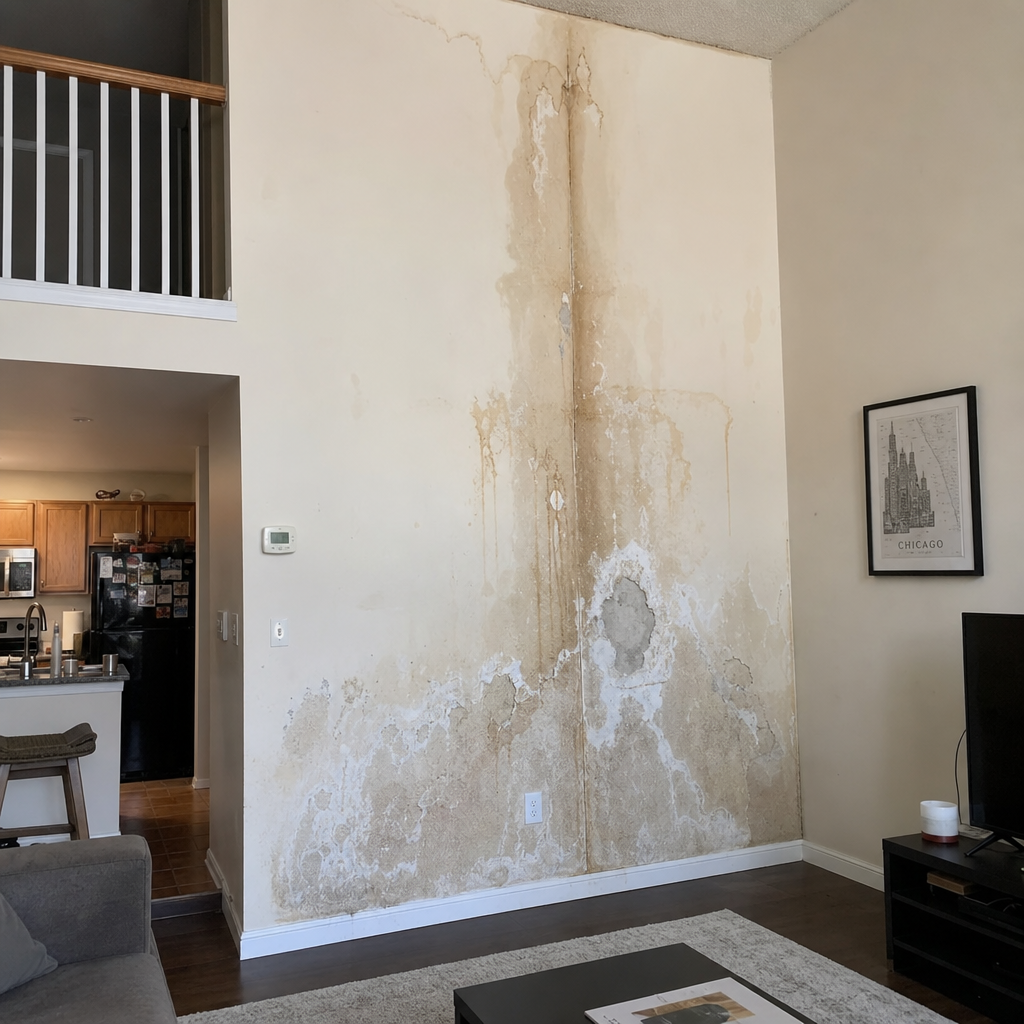
Where a bathroom or laundry is positioned adjacent to the party wall in either dwelling, the waterproofing membrane must extend to cover the full floor-to-wall junction including the corner where the party wall meets the wet area wall. This is a specific and frequently missed detail. Water that penetrates this junction eventually reaches the party wall cavity, which has no drainage pathway and creates mould growth that is almost impossible to remediate without opening the wall.
Comparing Inspection Approaches for Duplex Properties
Not all pre-handover inspection services are equal when it comes to duplex-specific defects. The table below compares three approaches that Brisbane duplex buyers and investors typically encounter.
| Inspection Approach | Party Wall Coverage | Suitability for Brisbane Duplexes |
|---|---|---|
| Builder’s own practical completion sign-off | None. The builder’s supervisor signs off on their own work without independent verification of party wall fire separation, acoustic insulation, or penetration sealing. | Not suitable. A direct conflict of interest exists and party wall defects are systematically missed because they require opening roof cavities and documenting trade-specific failures that the builder is responsible for. |
| Generic pre-purchase building inspection (owner-occupied focus) | Limited. Standard reports assess visible surfaces only and rarely include party wall cavity inspection, fire-stopping verification, or acoustic insulation confirmation. The inspector is often not licensed for new construction compliance assessment. | Partially suitable for an established duplex resale, but inadequate for a new-build pre-handover inspection where NCC compliance verification is needed before title transfer. |
| GoInspect pre-handover inspection (new construction specialist) | Comprehensive. Inspectors check party wall penetrations, roof cavity fire and acoustic separation, drainage grades, wet area waterproofing junctions, and frame plumb at party wall-adjacent elements. Each defect is assigned to a specific trade in the same-day photo report. | Directly suitable. Fully licensed inspectors with new construction experience across Brisbane, Logan, Ipswich, Gold Coast, and Redland Bay. Reports are structured to support builder defect rectification negotiations immediately after handover. |
What a GoInspect Report Covers for Brisbane Duplexes
GoInspect’s pre-handover and practical completion inspection reports are structured to address the duplex defect categories described throughout this article. The same-day reporting model is not a marketing point. It is a practical necessity because builder site teams are most responsive immediately after the inspection, while defects are still fresh and trades are still on site or nearby.
Each defect identified in a GoInspect report is documented with a photograph, a location reference, a defect classification, and a trade assignment. For a duplex, this means a party wall fire-stopping failure is documented as a fire-stopping contractor defect, not a generic builder issue, which streamlines the rectification conversation significantly.
GoInspect serves homeowners and investors taking handover of new duplexes, as well as builders and developers who commission pre-settlement inspections to identify and rectify defects before handing over to their clients. The starting price of $550 including GST covers a single dwelling. Duplex inspections covering both sides of the party wall are priced to reflect the additional scope, and GoInspect can coordinate access to both dwellings in a single visit where both units are under the same developer or builder contract.
For investors acquiring a duplex in Brisbane’s southern growth corridor, a pre-handover inspection is not optional. The Queensland Home Warranty Scheme provides some protection after handover, but proving a pre-existing construction defect post-settlement is significantly more difficult than documenting it in a licensed inspector’s report before keys are accepted.
Frequently Asked Questions
Do I need to inspect both sides of the duplex even if I only own one unit?
Yes. Party wall defects are frequently only visible from the opposite side of the wall from where they originate. Fire-stopping penetrations, acoustic insulation gaps, and frame defects can all originate in the adjoining unit’s construction zone but create compliance failures that affect your dwelling directly. A complete duplex inspection Brisbane should include access to both sides of the party wall wherever possible.
What is a party wall defect and how serious is it legally?
A party wall defect is any construction fault in the shared wall between two duplex dwellings that compromises fire separation, acoustic performance, structural integrity, or moisture resistance. Legally, fire separation failures constitute a serious NCC non-compliance and can expose the builder to rectification orders under Queensland’s building legislation. Acoustic failures are harder to prosecute but equally valid as defects if the installed product does not match the specification on the approved drawings.
How does a pre-handover inspection differ from a pre-settlement inspection for a duplex?
A pre-handover inspection occurs before you accept keys from the builder, typically at practical completion stage. A pre-settlement inspection is more commonly associated with an off-the-plan purchase where a contract exists and settlement is imminent. In practice, both inspections serve the same purpose for a new duplex: documenting defects while the builder still has a clear contractual obligation to fix them at no cost. GoInspect provides both types of inspections across Brisbane and surrounding regions.
Can acoustic problems in a duplex be fixed after handover?
Yes, but at significant cost and disruption. Rectifying acoustic insulation in a party wall after plasterboard is fixed requires either opening the lining from one or both sides, or applying a secondary acoustic lining system to the face of the existing wall. Both approaches involve relocating power points, repainting, and potentially moving kitchen or bathroom fixtures if the wall runs through those areas. Identifying the defect at pre-handover stage and requiring the builder to rectify it before handover is always the lower-cost path.
Does GoInspect inspect duplexes in Logan, Ipswich, and Redland Bay or only in Brisbane?
GoInspect provides duplex pre-handover and practical completion inspections across Brisbane, the Gold Coast, Logan, Ipswich, and Redland Bay. The same inspection methodology and same-day reporting standard applies across all service areas. Duplex construction in the Logan and Ipswich growth corridors has increased substantially, and GoInspect’s inspectors are experienced with the site conditions, soil profiles, and common builder defect patterns across those regions.
How much does a duplex inspection in Brisbane cost?
GoInspect’s inspections start from $550 including GST. A full duplex inspection covering both dwelling sides and the full party wall scope is priced to reflect the additional access and reporting requirements. Contact GoInspect directly at goinspect.com.au to confirm pricing for your specific duplex configuration, as two-storey duplexes, high-rise dual-occupancy units, and large-format developer projects are each quoted based on scope.
If you have recently had a duplex inspection in Brisbane or are preparing for one, share your experience in the comments below so others in the Brisbane property community can benefit from what you found.
References
- Australian Building Codes Board: National Construction Code requirements for fire-resistant construction and acoustic performance in Class 1 attached dwellings
- Queensland Building and Construction Commission: Home warranty insurance, defect obligations, and builder accountability frameworks for new residential construction in Queensland
- Housing Industry Association: Industry data on duplex construction trends, trade shortage impacts on defect rates, and compliance challenges in southeast Queensland
- Statista: Australian residential construction output data, new dwelling approvals by type, and defect cost benchmarks for attached housing projects
- Forbes Real Estate: Property investment risk analysis including pre-purchase inspection value, defect rectification costs, and due diligence standards for dual-occupancy residential assets