
Most homeowners assume that once a builder marks defects as fixed, the job is done. That assumption costs people thousands of dollars in ongoing repair bills and legal disputes every year. A re-inspection after defect rectification is not a bureaucratic formality. It is the only reliable way to confirm that the trades who caused a problem have actually resolved it, not just painted over it, patched it cosmetically, or shifted the issue to a different part of the structure. If you are approaching handover in Brisbane, the Gold Coast, Logan, Ipswich, or Redland Bay, understanding what a follow-up building inspection involves can be the difference between moving into a sound home and moving into an unresolved problem.
Table of Contents
- Quick Takeaways
- What Is a Re-Inspection After Defect Rectification
- Why Builders Sign Off Before Work Is Properly Fixed
- What a Defect Reinspection in Queensland Actually Covers
- Comparing Re-Inspection Approaches: What Works and What Doesn’t
- Defects That Commonly Get Missed Without a Follow-Up Inspection
- When to Schedule Your Follow-Up Building Inspection
- How GoInspect Handles Re-Inspections Across South East Queensland
- Frequently Asked Questions
- References
Quick Takeaways
| Key Insight | Explanation |
|---|---|
| A builder’s written confirmation is not proof of rectification | Trades often close out defect items on paper without completing proper repairs. Only a licensed inspector can verify the actual fix. |
| Re-inspections should happen before you sign any handover paperwork | Once you accept the property at handover, your legal leverage to demand defect rectification under the building contract changes significantly. |
| Photo-documented defect reports make re-inspection faster and more accurate | When the original inspection includes trade-specific photos, the follow-up inspector can check the exact location and compare outcomes directly. |
| Some defects require trade specialist verification, not just visual re-inspection | Issues like waterproofing failures, drainage problems, and structural cracks may need more than a visual check to confirm the fix is complete. |
| Queensland homeowners have statutory warranty rights that depend on documented evidence | Under the Queensland Building and Construction Commission framework, documented defect histories strengthen warranty claims considerably. |
| Re-inspection costs are minor compared to post-settlement repair bills | A follow-up building inspection typically costs a fraction of what a single unresolved defect costs to repair out of pocket after settlement. |
| Not all reinspection reports are equal | Reports that reference specific trade responsibility, not just general defect categories, give homeowners and builders a clearer path to resolution. |
What Is a Re-Inspection After Defect Rectification
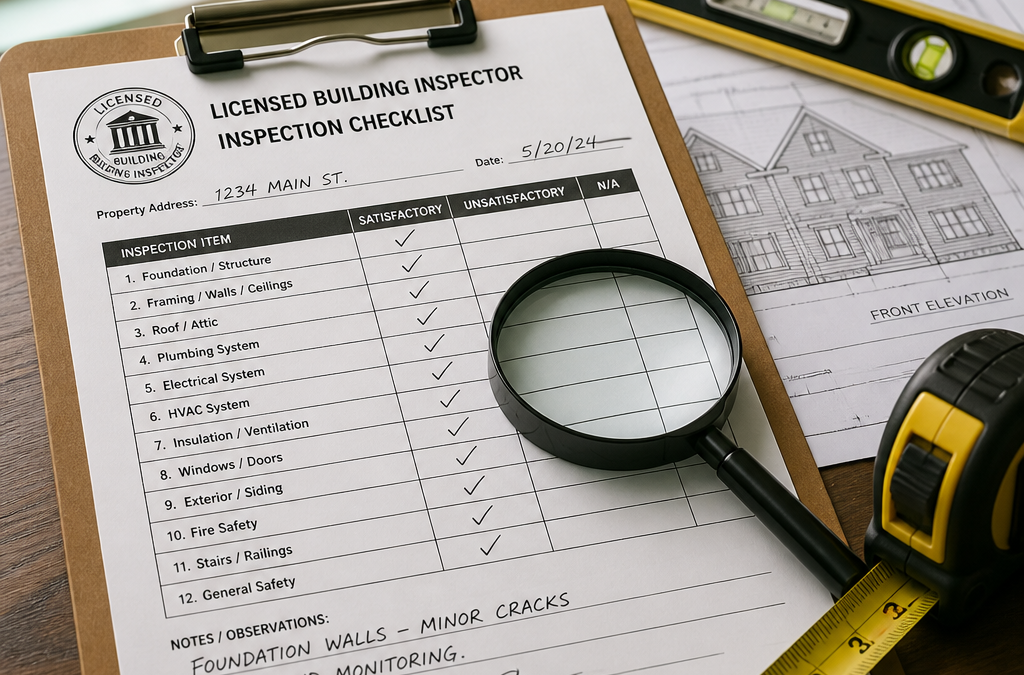
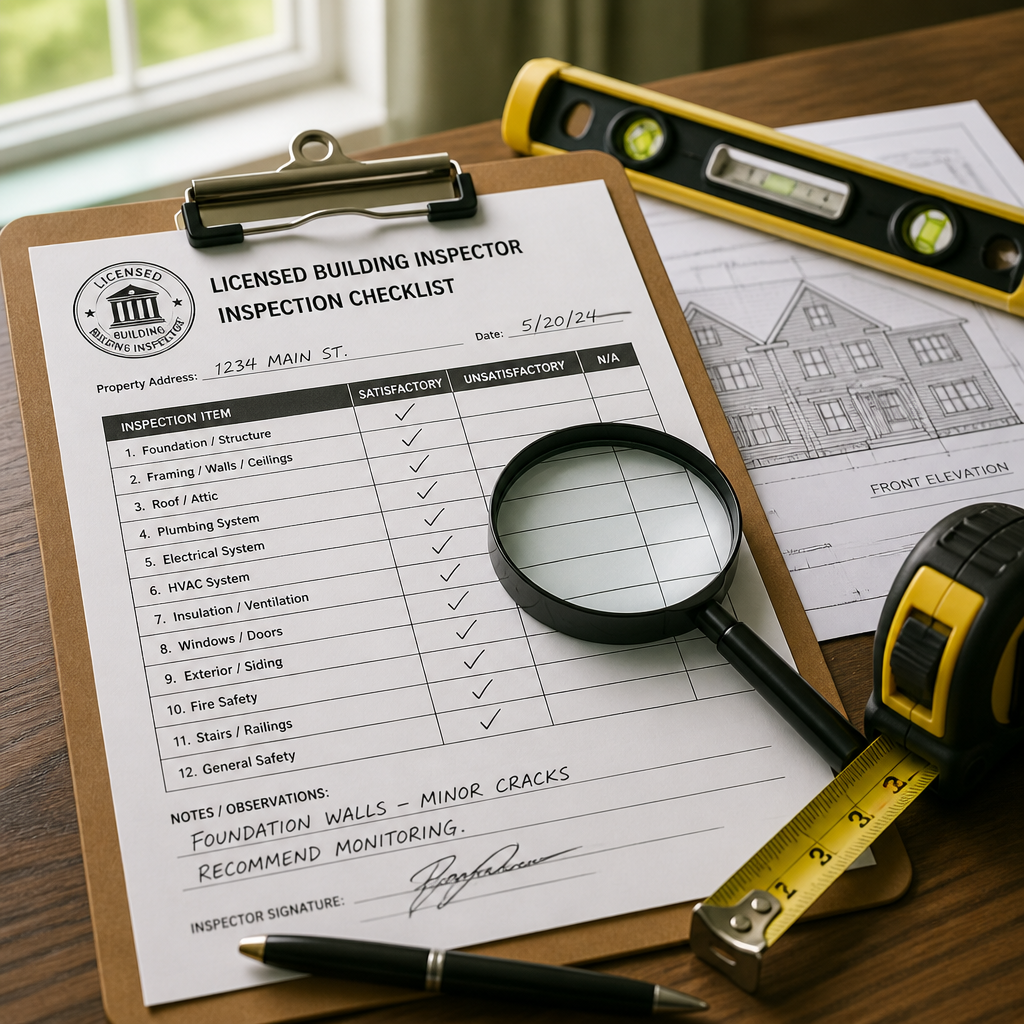
A re-inspection after defect rectification is a structured, licensed assessment that revisits every defect item identified in an earlier building inspection report and confirms whether each one has been properly repaired, partially addressed, or left unresolved. It is not a new inspection from scratch. It is a targeted review tied directly to the original defect list.
In practice, the re-inspection report should reference item numbers or photo identifiers from the original report, assess the quality of the repair against the relevant Australian Standard or Building Code requirement, and clearly state whether each defect has been closed, requires further work, or has been replaced by a new issue during rectification. Anything short of that level of specificity is not a genuine defect reinspection in Queensland. It is a general walk-through dressed up as a follow-up.
Pro tip: Always request that your re-inspection report use the same defect numbering system as your original inspection report. This makes it straightforward to track which items were resolved, which were partially addressed, and which were missed entirely, especially if you need to escalate to the Queensland Building and Construction Commission.
Why Builders Sign Off Before Work Is Properly Fixed
This is a pattern that repeats across new home builds throughout Brisbane, the Gold Coast, and greater South East Queensland. A builder’s site supervisor marks a defect item as rectified on their internal system because the trade has reported it complete. The supervisor does not always re-visit the site to verify. The homeowner receives a letter or email stating all defects have been addressed. None of this constitutes independent verification.
The pressure to reach practical completion quickly is real. Builders have contractual timelines, staged payment schedules, and financial incentives to move through handover as fast as possible. That commercial pressure does not mean the defects are fixed. It means the administrative process has moved forward regardless of site reality.
The difference between a trade’s self-assessment and an independent check
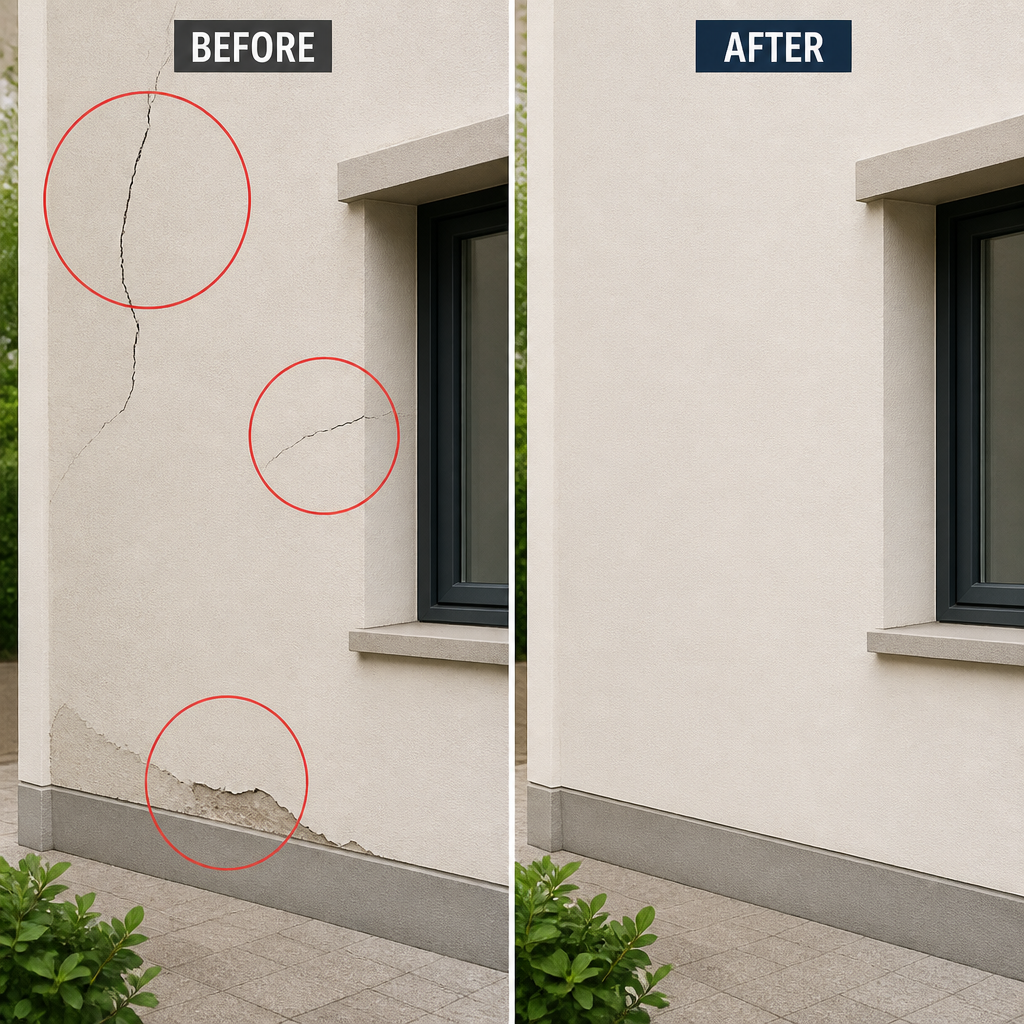
When a plasterer says they have repaired a crack, they are assessing their own work. When a licensed building inspector checks that same crack, they are applying an independent standard and comparing the current state to documented photographic evidence from the original inspection. Those two assessments will often reach different conclusions, particularly on defects involving finishes, waterproofing, or structural elements.
A common mistake is assuming that the builder’s defect liability period protects you from any consequence of skipping a re-inspection. It does not. The defect liability period gives you time to identify and report defects. It does not automatically result in those defects being repaired to a standard you would accept. Independent verification remains your responsibility.
What a Defect Reinspection in Queensland Actually Covers
A thorough defect reinspection in Queensland covers every item from the original defect schedule, but it also looks for secondary defects that may have emerged during rectification work. This second point is one that most homeowners do not anticipate. When trades re-enter a finished home to fix one issue, they sometimes create new damage to adjacent surfaces, fittings, or systems.
Beyond the original defect list, a competent follow-up building inspection will assess the quality of the repair itself. Filling a crack with filler and painting over it is not the same as identifying the cause of the crack, addressing that cause, and then making good the surface. An inspector who understands trade standards knows the difference immediately.
Specific areas that warrant close attention during a re-inspection
Waterproofing repairs in wet areas are among the most frequently misrepresented rectifications in new home construction. A builder may apply additional sealant over a failed membrane rather than stripping and re-applying correctly. This passes a visual check but fails within months of occupation. An experienced inspector looks at junction points, substrate preparation, and application thickness, not just surface appearance.
Roof and ceiling defects also warrant specific attention. Repairs to roof sarking, battens, or flashings are often conducted with minimal disruption to finishes, which means the repair may look complete from inside the home while the underlying fix is inadequate. The data consistently shows that roof-related defects are among the most expensive post-settlement repairs in Queensland new builds, making re-inspection in this area particularly valuable.
“Independent inspections during the construction process are one of the most effective tools homeowners have to ensure their new home meets the standard it was contracted to meet.” – Queensland Building and Construction Commission, consumer guidance for new home buyers
Comparing Re-Inspection Approaches: What Works and What Doesn’t
Not every re-inspection service delivers the same outcome. The approach taken by the inspecting company directly affects how useful the report is and how much practical weight it carries in any dispute with a builder or developer. The table below compares three distinct approaches commonly used in South East Queensland.
| Re-Inspection Approach | What It Includes | Practical Limitation |
|---|---|---|
| Generic visual walk-through with a new report | A fresh inspection of the property that notes current defects without cross-referencing the original defect schedule | Does not confirm whether previously identified defects were actually resolved. Builders can dispute whether a defect is new or carried over. |
| Defect-referenced re-inspection with photo comparison | Each original defect item is checked individually, with before-and-after photos and a clear closed or open status assigned to each item | Requires the original report to include sufficient photographic documentation. Reports without trade-specific photos limit comparison accuracy. |
| Trade-attributed defect reinspection with same-day reporting | Each item is checked, photographed, referenced to the original defect, and attributed to the responsible trade. Same-day report delivery enables fast escalation if needed. | Requires a licensed inspector with trade knowledge across multiple disciplines. Not all providers in Queensland operate at this level. |
The trade-attributed approach is what GoInspect delivers. Assigning responsibility to specific trades is not about blame for its own sake. It gives builders and developers a clear action item. The site supervisor knows exactly which trade needs to return, which speeds up rectification and reduces the back-and-forth that delays handover.
Defects That Commonly Get Missed Without a Follow-Up Inspection
In practice, the defects that slip through without a dedicated re-inspection fall into predictable categories. Understanding these helps homeowners know exactly what is at stake when they skip a follow-up building inspection.
Cosmetic fixes over structural issues
Cracking in walls, ceilings, and cornices is one of the most common defect categories in new Queensland homes. The correct rectification depends entirely on the cause. Shrinkage cracking in plasterboard has a different repair requirement than cracking caused by inadequate framing support or movement in the slab. A trade that returns to fill and paint a crack has technically addressed it cosmetically. Whether the cause has been resolved requires an inspector who understands construction sequences, not just surface finishes.
Incomplete waterproofing repairs in wet areas
Showers, balconies, and laundry areas are the highest-risk zones for waterproofing failures in new construction. The Australian Standard AS 3740 sets out minimum requirements for waterproofing in wet areas, and deviations from this standard are more common than most homeowners realise. When a waterproofing defect is reported and the builder sends the waterproofing contractor back, the re-applied product may not meet the standard if the substrate was not properly prepared. A re-inspection that does not specifically test or assess wet area waterproofing repairs is leaving the most expensive potential failure unchecked.
Door and window sealing after trade access
When trades re-enter a completed home for rectification, they often access wall cavities, ceiling spaces, or subfloor areas. This access frequently disturbs the sealing around doors, windows, and penetrations. These are rarely captured in the builder’s own defect close-out process because no trade is specifically responsible for checking the work of other trades after access. An independent re-inspection catches this category of secondary damage consistently.
Pro tip: Before your re-inspection, ask your inspector to specifically note any areas of the home that show evidence of recent trade access, including paint touch-ups, disturbed caulking, or newly repositioned fixtures. These areas are higher risk for secondary defects introduced during rectification.
When to Schedule Your Follow-Up Building Inspection
The timing of a re-inspection after defect rectification matters considerably. Schedule it too early and the trades may not have completed all rectification work. Schedule it too late and you may have already signed handover documentation that weakens your legal position under the building contract.
The correct timing is after the builder has confirmed in writing that all defects on the original schedule have been addressed, but before you sign any final acceptance or practical completion paperwork. This window gives you independent verification before your contractual obligations shift. In Queensland, once you accept the property at practical completion, the defect liability period begins. After that period ends, your rights become significantly more limited and are governed by the statutory warranty provisions under the Queensland Building Act 1975.
What to do if the builder pressures you to settle without a re-inspection
This happens regularly. A builder will set a tight settlement deadline and suggest that any remaining issues can be sorted out under the defect liability period. That advice transfers all the risk to you. The defect liability period requires you to identify and report defects, follow up with the builder, and escalate to the QBCC if needed. That process takes time, effort, and documentation. A re-inspection before settlement is a far more efficient way to resolve defects while the builder still has a clear contractual obligation to fix them.
Homeowners who accept this pressure and proceed to settlement without independent verification consistently report spending more time and money resolving defects post-settlement than they would have spent on a re-inspection. The math is not close.
How GoInspect Handles Re-Inspections Across South East Queensland
GoInspect conducts re-inspections as part of its pre-handover and practical completion inspection service across Brisbane, the Gold Coast, Logan, Ipswich, and Redland Bay. The approach is specific: every defect from the original report is reviewed against photographic documentation, the repair outcome is assessed against the applicable Australian Standard, and responsibility is attributed to the relevant trade in the report.
Same-day reporting means the homeowner receives a complete, photo-enhanced defect reinspection report on the day of the inspection. That matters when a settlement date is imminent and the builder needs a clear, documented list of outstanding items before handover proceeds.
Why trade attribution matters in a re-inspection report
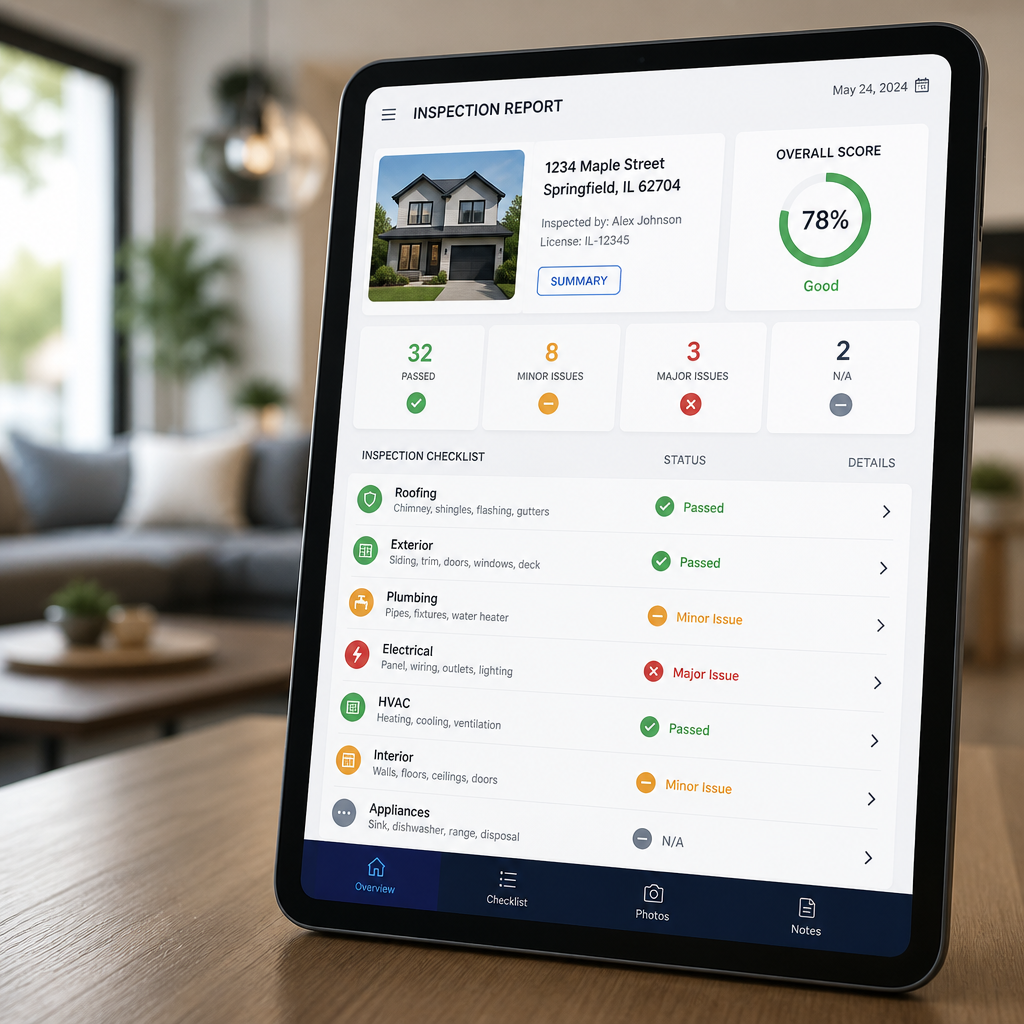
A re-inspection report that simply states a defect remains open does not give a builder’s site supervisor an actionable instruction. A report that states the waterproofing contractor needs to return to the main bathroom shower because the membrane at the floor-to-wall junction does not meet AS 3740, supported by a photograph of the specific location, gives everyone in the chain exactly what they need to act. That specificity is the difference between a report that drives resolution and one that generates further back-and-forth.
GoInspect’s inspectors are fully licensed and experienced across the specific construction types common to South East Queensland, including high-rise apartment developments and volume housing projects. The defect reinspection Queensland service is priced from $550 including GST, making it accessible compared to the cost of even a single unresolved defect repair after settlement.
Frequently Asked Questions
Is a re-inspection after defect rectification a legal requirement in Queensland?
No, it is not a legal requirement. However, it is a practical necessity for any homeowner or investor who wants independent confirmation that defects have been properly resolved before accepting the property. Without a re-inspection, you are relying entirely on the builder’s own assessment of their work.
How long does a follow-up building inspection take?
The duration depends on the number of defects from the original report and the size of the property. For a standard new home in South East Queensland, a re-inspection typically takes between one and three hours. High-rise apartment inspections or large volume builds take longer due to the number of items being checked.
Can I use the same inspector for both the original inspection and the re-inspection?
Yes, and this is generally the preferred approach. An inspector who conducted the original inspection and produced the defect report has the clearest understanding of what was identified, where it was located, and what an acceptable repair looks like for each specific item. Continuity between the original and follow-up inspection improves the accuracy and speed of the re-inspection process.
What happens if the re-inspection finds defects that were not properly fixed?
The re-inspection report documents every item that remains unresolved or was inadequately repaired. You then provide this report to your builder with a formal request for further rectification. If the builder does not respond or disputes the findings, you have the option to escalate to the Queensland Building and Construction Commission, which administers the dispute resolution process for residential construction in Queensland.
Does a defect reinspection in Queensland cover new defects found during the follow-up visit?
A thorough re-inspection will note any new defects observed during the visit, particularly secondary damage caused by trade access during rectification. Whether these new items are included in the formal re-inspection report depends on the inspection agreement. Confirm this with your inspector before the re-inspection is conducted so you understand exactly what the report will cover.
How soon after the builder confirms rectification should I book a re-inspection?
Book the re-inspection as soon as you receive written confirmation from the builder that all defects have been addressed. Do not delay. Settlement timelines can compress quickly, and you need sufficient time to receive the re-inspection report, review it, and request further rectification if needed before any handover paperwork is signed.
If you have been through the re-inspection process, whether smooth or frustrating, share what happened and what you wish you had known before settlement.
We would love your feedback and any insights you would share with others. What perspective would you add?
References
- Queensland Building and Construction Commission: consumer rights, statutory warranties, and dispute resolution guidance for new home buyers
- Queensland Building Act 1975 and related residential construction legislation on the official Queensland legislation portal
- Standards Australia: Australian Standards including AS 3740 for waterproofing of domestic wet areas in new construction
- Australian Competition and Consumer Commission: guidance on consumer rights in building contracts and defect resolution
- Forbes: residential property ownership costs, inspection value, and post-settlement repair data for new home buyers