

Most new homeowners walk into their handover appointment underprepared, and builders know it. Research from the Queensland Building and Construction Commission shows that defect complaints are among the most common disputes lodged after handover, many of which could have been avoided by asking the right new home handover questions before signing anything. If you are about to hand over thousands of dollars and accept legal responsibility for a property, you need more than a walk-through with a friendly site supervisor. You need specific, direct answers in writing.
Table of Contents
- Quick Takeaways
- Why Handover Questions Matter More Than You Think
- Handover Approaches Compared
- Your Builder Handover Checklist Queensland Walkthrough
- Pre-Handover Tips That Actually Protect You
- Frequently Asked Questions
- References
Quick Takeaways
| Key Insight | Explanation |
|---|---|
| Signing handover ends your leverage | Once you sign the practical completion certificate, you accept the property in its current state. Defects discovered afterward are harder and slower to resolve. |
| Builders often have their own internal defect list | Site supervisors frequently know about unresolved issues before handover day. Asking to see that list is a direct way to surface hidden problems. |
| An independent inspector is not optional for investors | If you are purchasing an investment property, a professional pre-handover inspection is the single most cost-effective protection against future rental disputes and structural costs. |
| Statutory warranties in Queensland are time-limited | The Queensland Home Warranty Scheme covers specific defect categories for set periods. You need to know exactly what applies to your contract before signing. |
| Incomplete items must be documented in writing | Verbal promises about unfinished work are unenforceable. Every outstanding item must appear on a dated, signed schedule before you accept the keys. |
| Photo-documented reports change the rectification conversation | Defect reports with trade-specific photo evidence move builders to act faster because the evidence is already categorized and undeniable. |
| Same-day reporting matters for tight settlement timelines | If your settlement is within days of your scheduled inspection, a next-week report is useless. Confirm your inspector can deliver findings on the day. |
Why Handover Questions Matter More Than You Think
The handover appointment is treated like a celebration by most builders. There is a lot of goodwill in the room, keys are handed over, and you are encouraged to feel like the hard part is over. In practice, it is one of the highest-risk moments in the entire construction process for the buyer.
The Queensland Building and Construction Commission processed over 3,000 new defect complaints in a recent reporting year, and a significant portion of those complaints came from homeowners who signed off at handover without documentation or professional inspection support. The handover is not the finish line. It is a legal transition point, and the questions you ask before you sign determine how much protection you retain afterward.
Builders are experienced at handovers. Most first-time buyers are not. That information asymmetry is the core problem that the right new home handover questions are designed to close.

Can I See the Defect List You Are Already Aware Of?
This question makes most site supervisors uncomfortable, which is exactly why you should ask it. Every competent builder runs internal quality checks before handover day. Those checks produce a list of known issues, some resolved, some not. You are entitled to see what is on that list.
What to Look For in the Answer
If the builder claims there is no internal defect list, that is a red flag. A responsible building company conducting quality-controlled construction will always have documented its own site inspections. The absence of any list suggests either poor record-keeping or an unwillingness to be transparent.
A good answer will include specifics: which trades were involved in identified defects, whether those items have been signed off as rectified, and who is responsible for following up on any items still outstanding. Vague reassurances do not count.
How to Document the Response
Ask for the list in writing or by email before the handover appointment. If the builder declines, note that declination in your own written record dated and time-stamped. This becomes evidence if a dispute arises later. Do not rely on memory or a conversation on the day.
Pro tip: Request the builder’s internal defect schedule at least five business days before your scheduled handover. That gives you time to cross-reference it against your own independent inspection report from GoInspect before you are standing at the property with pen in hand.
Do I Have the Right to Bring an Independent Inspector?
The short answer under Queensland law is yes, with conditions. Your contract terms matter here, but as a general rule, buyers have the right to arrange a pre-handover inspection before accepting practical completion. What most buyers do not realize is that the timing of that inspection must be negotiated, not assumed.
Why Builders Push Back
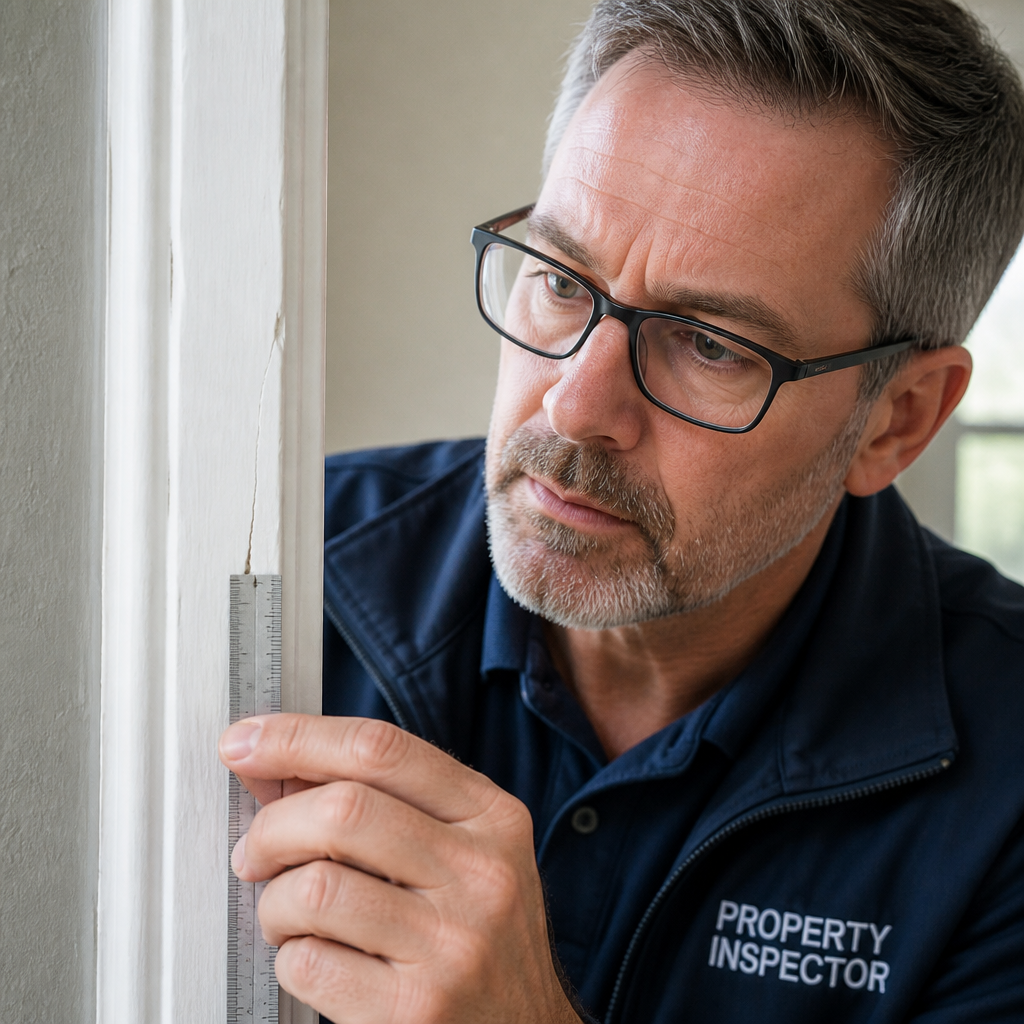
Some builders will discourage independent inspectors by scheduling handover appointments with very little notice, citing occupational health and safety requirements, or suggesting that their own quality checks are sufficient. These are delaying tactics, not legitimate barriers. A licensed inspector operating under Queensland law has clearly defined rights of access for inspection purposes.
The more a builder discourages an independent inspection, the more reason you have to insist on one. A builder who is confident in their workmanship has nothing to fear from a professional inspector with a camera and a defect report template.
What a Professional Inspection Covers That You Cannot
GoInspect inspectors working across Brisbane, Gold Coast, Logan, Ipswich, and Redland Bay are fully licensed and trained to identify issues that are invisible to an untrained eye: incorrect drainage fall, inadequate waterproofing, structural cracks that indicate movement versus settling, tile lippage beyond tolerance, and incomplete fire rating compliance. These are not things you will spot on a casual walk-through with the site supervisor.
“A pre-handover inspection is not about distrust. It is about informed decision-making. The builder builds hundreds of homes. You are buying one. The knowledge gap is real.” – Queensland Building and Construction Commission guidance on consumer rights at practical completion.
What Are Your Warranty Obligations and How Do I Make a Claim?
Queensland has specific statutory warranty protections under the Queensland Building and Construction Commission Act 1991, and the Queensland Home Warranty Scheme provides insurance cover for certain defects. Most homebuyers know these protections exist in theory. Very few understand what they actually cover, for how long, and what triggers a valid claim.
The Two Categories of Warranty You Need to Understand
Statutory warranties under Queensland law cover defects in residential construction for periods that vary by defect type: six years for structural defects and one year for non-structural defects, measured from the date of practical completion. The Queensland Home Warranty Scheme provides a separate insurance layer that activates when the builder becomes insolvent, dies, or disappears.
Your builder also has their own internal warranty or defects liability period, which is separate from the statutory framework. This is usually 12 months and covers items that fail or deteriorate during normal use. Get the specific terms of this period in writing before you sign off.
How to Make a Claim That Gets Taken Seriously
Claims that fail are usually claims that lack documentation. A defect report with dated photographs, trade identification, and a clear description of the issue is significantly more effective than a phone call or an email describing a problem in general terms. This is precisely where GoInspect’s photo-enhanced reporting format gives homeowners a concrete advantage when disputes arise post-handover.
Pro tip: Ask your builder to walk you through the exact claims process during the handover appointment, not after. If they cannot clearly explain who to contact, what information is required, and what timeline to expect, that is a gap in their after-sales process that you should document before you accept the keys.

What Items Are Not Finished and When Will They Be?
Most new homes in Queensland are handed over with at least some items outstanding. This is common and, within limits, acceptable. What is not acceptable is accepting a home with outstanding items based on verbal promises about timelines.
The Risk of Accepting “Almost Done”
A common mistake is treating outstanding items as minor because the site supervisor is friendly and confident. In practice, once you have signed the practical completion certificate and received the keys, your position as a negotiating party weakens significantly. The builder’s financial incentive to return and complete minor items drops sharply once their payment milestone is triggered.
The Queensland Building and Construction Commission is clear that practical completion does not mean perfect completion, but it does mean that outstanding items must be formally documented. Do not confuse the builder’s willingness to chat about unfinished work with a legal commitment to complete it.
What a Proper Defect Schedule Looks Like
A legitimate defect schedule attached to your handover documentation will include each outstanding item described specifically, the trade responsible for completing it, a firm completion date, and a signature from the builder’s authorized representative. Generic language like “painting to be completed” without a date and responsible party is not sufficient. If the schedule does not meet that standard, send it back before you sign.
What Exactly Am I Signing Off On?
This is the question that cuts to the heart of the entire handover process. The practical completion certificate is a legal document. Signing it has defined legal consequences, and yet the majority of homebuyers sign it on the day without reading it carefully or understanding what rights they are exercising and what rights they may be limiting.
What the Certificate Does and Does Not Cover
Signing the practical completion certificate confirms that the building work is complete to the standard required by your contract and the relevant building codes. It does not mean you are surrendering your statutory warranty rights. It does not mean you cannot raise defects afterward. But it does mean that any item you accepted as satisfactory on that day is much harder to dispute as a defect later.
This is why the independent inspection must happen before the handover appointment, not after. GoInspect provides same-day reporting precisely because the window between inspection and sign-off is often narrow, particularly for investors managing settlements against tight timelines.
What to Ask the Builder to Clarify in Writing
Ask the builder to confirm in writing, before you sign, exactly which sections of the contract and building code they are certifying compliance with, what defect items are noted on the certificate as excluded or outstanding, and who the contact person is for any post-handover claims. If any of those three points cannot be answered clearly, you are not ready to sign.
Handover Approaches Compared
Not all handover approaches deliver the same protection. Below is a direct comparison of the three most common approaches used by Queensland homeowners and investors.
| Approach | What It Includes | Key Limitation |
|---|---|---|
| Builder-only walk-through | Site supervisor tours the property with you, answers questions informally, and presents documentation for signing on the day | No independent verification, no written defect evidence, outcomes entirely dependent on builder’s goodwill |
| Owner DIY inspection with checklist | Buyer uses a published builder handover checklist Queensland guide to self-assess the property before or during handover | Misses trade-specific defects that require technical knowledge, no professional documentation, weak evidence base for disputes |
| Independent licensed inspection with photo report | Fully licensed inspector conducts a systematic assessment before handover, produces a same-day photo-enhanced report identifying defects by trade and responsibility | Requires booking in advance and a small upfront investment, but delivers legally credible documentation and full defect visibility |
Your Builder Handover Checklist Queensland Walkthrough
A solid builder handover checklist Queensland approach covers more than just the visible surfaces of a property. The checklist categories below are not exhaustive, but they represent the areas where defects are most commonly found in new Queensland builds.
Structural elements including wall straightness, ceiling levelness, and floor flatness are the starting point. These are measurable against Australian Standards and should be inspected with appropriate tools, not just the naked eye. Waterproofing in wet areas is one of the highest-risk categories in Queensland construction because failures typically appear months after handover when remediation costs are highest.
External works including drainage fall, paving levels, fencing straightness, and render finish quality are areas that are frequently rushed at the end of a build program. Internal fit-out quality including door alignment, window operation, tile grouting consistency, and fixture installation is the category most visible to buyers but often used to distract from more serious structural or waterproofing concerns.
Services including plumbing, electrical, and HVAC should all be tested under operation during the inspection, not just visually assessed. An inspector who does not operate every switch, tap, and system is not conducting a complete assessment.
Pre-Handover Tips That Actually Protect You
Beyond the five questions above, there are several pre-handover tips that consistently make the difference between a protected settlement and an expensive dispute.
Book your independent inspection at least two weeks before your anticipated handover date. This gives you buffer time if the inspector identifies major defects that need to be rectified before you accept the property. Waiting until the week of handover leaves you with no negotiating room.
Do not attend the handover appointment alone. Bring someone whose job is to document, not to talk. They should photograph every room, every finish, and every piece of documentation presented to you. This parallel record-keeping takes pressure off you and creates a dated archive of the property’s condition at the moment of handover.
Confirm that your GoInspect report identifies each defect by the responsible trade. This specificity matters because it forces the builder to direct rectification requests to the right subcontractor rather than letting items sit in a general to-do list. GoInspect’s customized reporting format for both individual housing projects and high-rise developments is designed specifically to make the rectification conversation faster and harder to avoid.
Frequently Asked Questions
Can I delay signing the handover certificate if defects are found?
Yes. Under Queensland law, you are not obligated to accept practical completion if the property has not reached the standard required by your contract. If an independent inspection identifies significant defects, you can formally reject practical completion and require the builder to rectify items before you sign. Document this in writing and retain copies of your inspection report as supporting evidence.
How much does a pre-handover inspection cost in Queensland?
GoInspect’s pre-handover inspections start from $550 including GST across Brisbane, Gold Coast, Logan, Ipswich, and Redland Bay. Given that a single missed waterproofing defect can cost $10,000 or more to remediate after handover, the inspection cost represents a fraction of the financial risk it manages.
What is the difference between a pre-handover inspection and a practical completion inspection?
The terms are often used interchangeably, but in practice a practical completion inspection refers specifically to the assessment conducted at the point when the builder declares the property ready for handover. A pre-handover inspection is the broader term for any independent assessment conducted before you sign off. GoInspect conducts both, with same-day photo-enhanced reporting designed for use in the handover negotiation itself.
What happens if defects are discovered after I have already signed the handover certificate?
You retain your statutory warranty rights regardless of when you sign. Structural defects carry a six-year warranty period and non-structural defects carry a one-year period from the date of practical completion under Queensland law. However, proving that a defect existed at handover is significantly harder without a pre-handover inspection report. This is why documentation before signing is far more effective than relying on warranty claims afterward.
Is a pre-handover inspection required for new apartment buildings?
It is not legally mandated, but it is strongly advisable for any high-rise or multi-dwelling purchase. GoInspect offers customized inspection reports for high-rise developments, which address the specific defect categories relevant to apartment construction including fire rating compliance, waterproofing in bathrooms and balconies, facade quality, and common property items. Apartment buyers often assume that body corporate processes will catch defects, but the body corporate’s interests and yours as an individual owner do not always align.
How do I prepare for my handover appointment after receiving the inspection report?
Print or save the GoInspect report and organize it by trade category before the appointment. Present it to the site supervisor at the start of the meeting, not at the end, and request written responses to each item before signing. If the builder pushes back on any findings, refer to the Australian Standards cited in the report rather than engaging in a subjective debate about finish quality. Specific standards references move conversations from opinion to fact.
Have you been through a new home handover in Queensland? Share what question you wish you had asked your builder, or tell us what surprised you most about the process.
References
- Queensland Building and Construction Commission official guidance on homeowner rights, defect claims, and the Home Warranty Scheme
- Queensland legislation portal covering the Queensland Building and Construction Commission Act 1991 and statutory warranty provisions
- Forbes coverage of real estate due diligence, property inspection best practices, and buyer protection strategies
- Australian Competition and Consumer Commission guidance on consumer rights in construction contracts and dispute resolution
- Statista data on residential construction defect rates, warranty claims, and new home inspection trends in Australia