
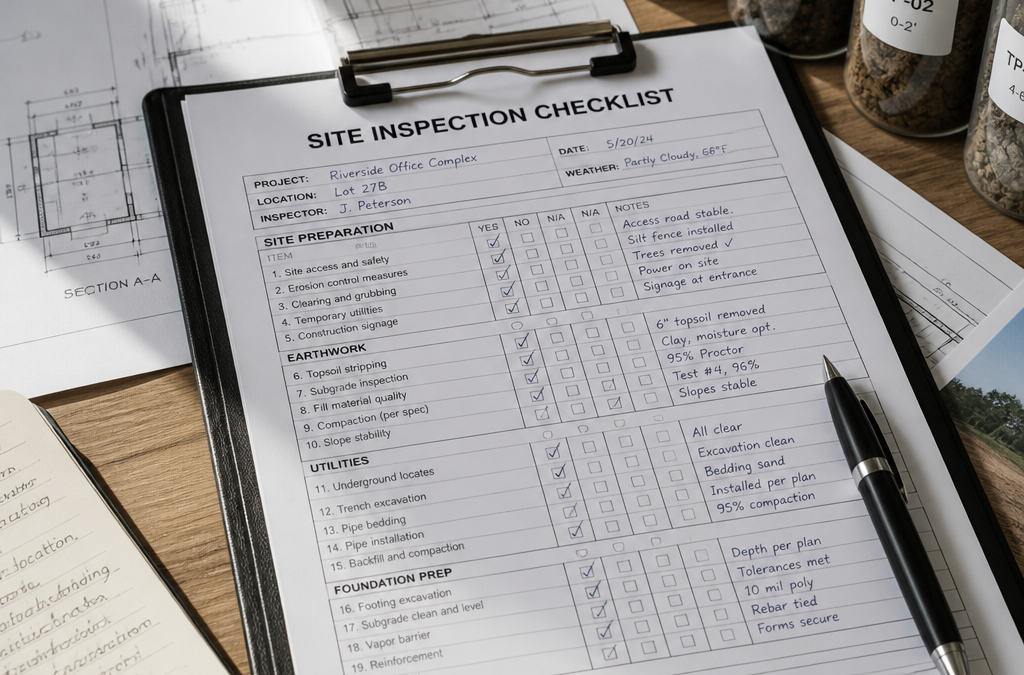
Most new homeowners in Redland Bay assume a builder’s final walk-through is enough to protect their investment. It is not. Independent data from the Queensland Building and Construction Commission shows that defect complaints remain consistently high across South East Queensland, and Redland Bay’s rapid residential growth has only intensified the pressure on trades to cut corners. A professional new home inspection Redland Bay residents can rely on requires more than a generic checklist. It requires a local inspector who knows the specific soil conditions, council requirements, and common trade shortcuts happening right now in this corridor.
Table of Contents
- Quick Takeaways
- What a New Home Inspection in Redland Bay Actually Covers
- Why Local Expertise Changes Outcomes
- Common Defects Found in Redland Bay New Builds
- Handover Inspection vs Standard Building Inspection: What You Need
- Comparing Inspection Approaches for Redland Bay Buyers
- How GoInspect Serves Redland Bay Homeowners and Investors
- Frequently Asked Questions
- References
Quick Takeaways
| Key Insight | Explanation |
|---|---|
| Redland Bay soil conditions affect foundations | Reactive clay soils common in the Redlands area require inspectors who know how to identify slab movement, cracking patterns, and drainage failures specific to this terrain. |
| Pre-handover inspections must happen before settlement | Once you sign off at handover, your legal leverage to compel the builder to fix defects at no cost to you weakens significantly. Inspection timing is everything. |
| Photo-enhanced reports speed up rectification | Reports that include photographs and assign defects to specific trades cut the back-and-forth with builders from weeks to days. Generic text-only reports do not achieve this. |
| Not all inspectors hold Queensland licences | In Queensland, building inspectors must hold a valid QBCC licence. Always verify your inspector’s credentials before booking, especially for new construction. |
| Same-day reporting matters in active Redlands estates | New estates in Redland Bay move fast. A report delivered days later may miss the rectification window before settlement locks in your handover date. |
| High-rise and housing inspections require different checklists | Townhouses and high-rise units in the Redlands area have different compliance requirements than standalone houses. A generic checklist misses unit-specific defects. |
| Investor properties carry higher defect risk | Investment properties built for volume developers are statistically more likely to carry workmanship defects. Investors who skip inspections routinely absorb costs that builders should cover. |
What a New Home Inspection in Redland Bay Actually Covers
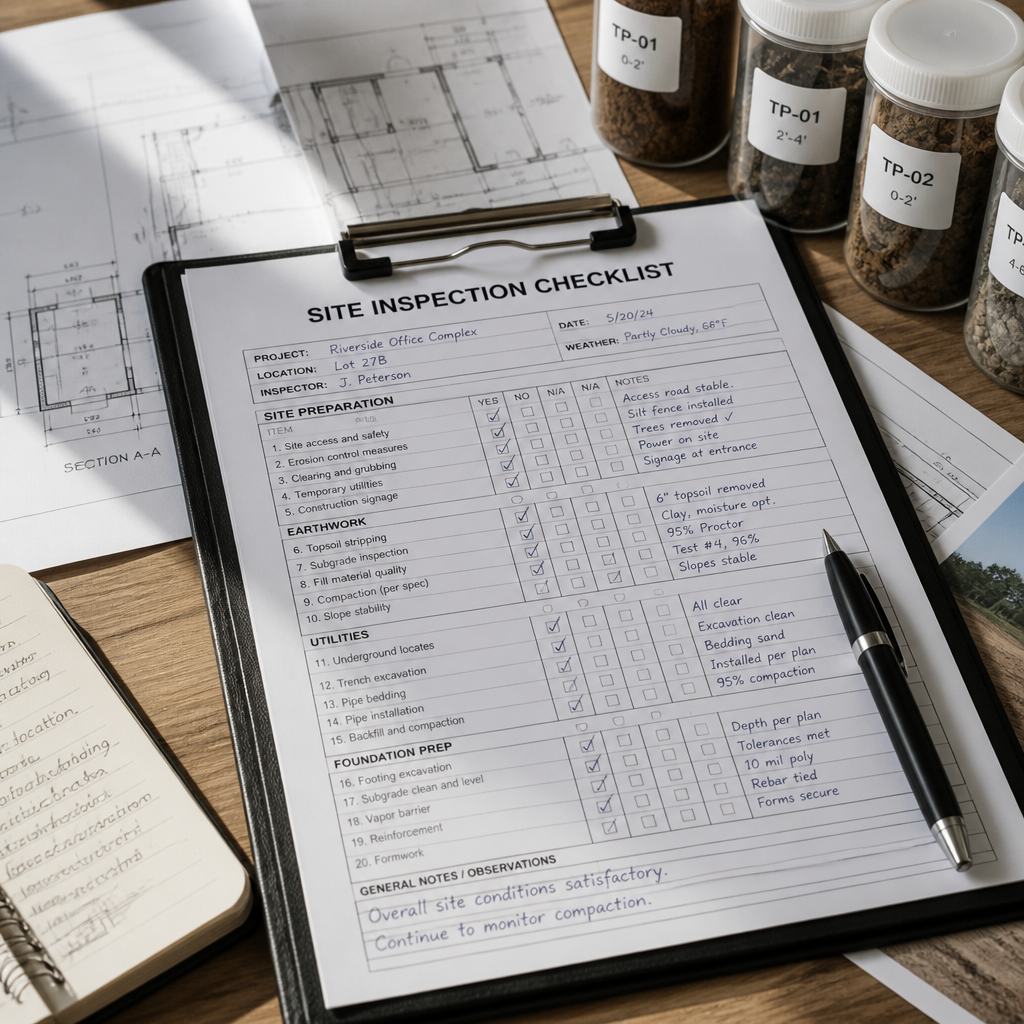
A proper new home inspection is not a cosmetic walk-through. A licensed inspector moves through every accessible area of the property assessing structural elements, waterproofing, roof coverings, drainage, external cladding, internal linings, wet areas, and the installation quality of fittings and fixtures. In Redland Bay, this matters more than in some other suburbs because of the area’s specific environmental conditions and the volume of new estates currently under construction.
The inspection produces a written defect report that documents every non-conformance against the National Construction Code and relevant Australian Standards. In practice, a well-structured report does not just list problems. It identifies which trade is responsible, what the required rectification looks like, and what the risk is if the defect goes unaddressed. This level of detail is what separates a report that actually drives builder action from one that gets ignored.
Pre-Handover vs Practical Completion Inspections
These two terms are often used interchangeably, but they are not identical. A practical completion inspection happens at the stage when a builder declares the home is substantially complete and ready for handover. A pre-handover inspection is the buyer-commissioned equivalent that happens at the same point but is conducted independently on the buyer’s behalf.
The critical distinction is who the report serves. A builder’s sign-off document protects the builder. An independent inspection commissioned by the homeowner protects the homeowner. In Redland Bay’s active development corridor, where volume builders are completing multiple homes simultaneously, independent oversight is the only reliable check on workmanship quality.
Why Local Expertise Changes Outcomes
A building inspector who works regularly in Redland Bay will have seen the same defects repeat across the same estates, performed by the same subcontractor pools, on the same slab types. That pattern recognition is genuinely valuable and cannot be replicated by an interstate template or a generalist inspector who covers the entire state from a central office.
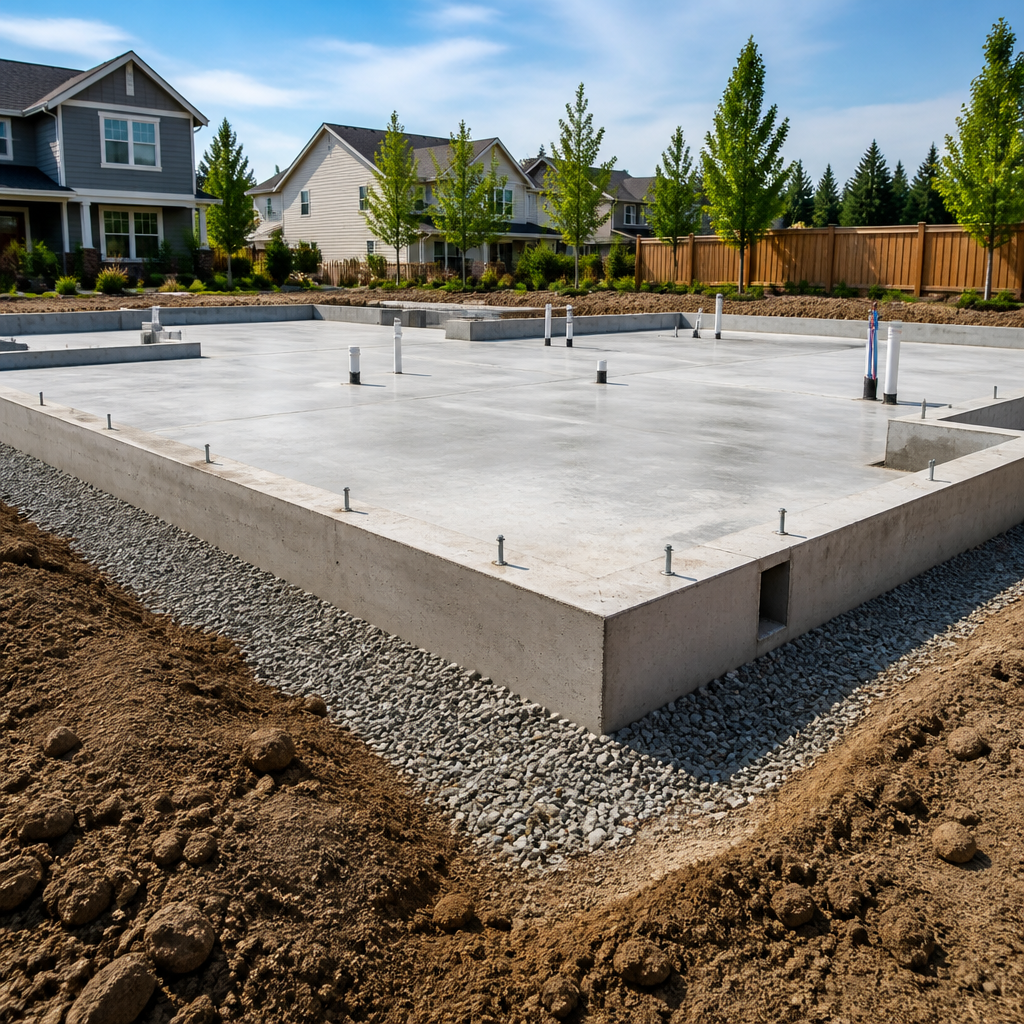
Redland Bay sits on a mix of terrain types that includes low-lying coastal areas, reactive clay soil profiles, and flood-adjacent lots. Each of these creates specific construction risks. Reactive clay causes differential movement in slabs. Low-lying lots are vulnerable to inadequate drainage fall. Coastal proximity introduces issues with corrosion-resistant fixings and sealing. An inspector without local field experience will flag these issues less reliably than one who has inspected dozens of properties in the same postcodes.
“The most expensive defects are the ones no one catches until after settlement. By then, the builder’s obligation to fix them at no cost has often been disputed or legally complicated.” — Queensland Building and Construction Commission guidance on defect liability periods.
Trade Accountability Requires Local Knowledge
Assigning a defect to the correct trade is not always obvious. A water stain on an internal wall could be plumbing, roofing, waterproofing, or flashing. Getting this wrong in a report means the wrong trade gets called back, nothing gets fixed, and the homeowner loses time. An inspector who knows the common failure patterns of concreting crews, tilers, and roof plumbers currently operating in Redland Bay’s active estates makes accurate trade assignments faster and more reliably.
Pro tip: Ask your inspector directly how many inspections they have completed in Redland Bay or the broader Redlands area in the past 12 months. A vague answer is a red flag. Local volume translates directly into pattern recognition you cannot get from a checklist.
Common Defects Found in Redland Bay New Builds
Based on field experience across South East Queensland new build estates, certain defect categories appear with above-average frequency in Redland Bay properties. These are not random. They reflect the construction methods, climate conditions, and subcontractor chains operating in this specific market.
The most frequently documented defects include inadequate drainage fall around the perimeter of the slab, incomplete or improperly lapped roof sarking, waterproofing failures in wet areas, timber framing installed at moisture content above acceptable limits, and incomplete caulking and sealing at junctions between dissimilar materials. Each of these carries real financial consequences if left unaddressed after settlement.
Wet Area Defects Are Consistently Underreported by Builders
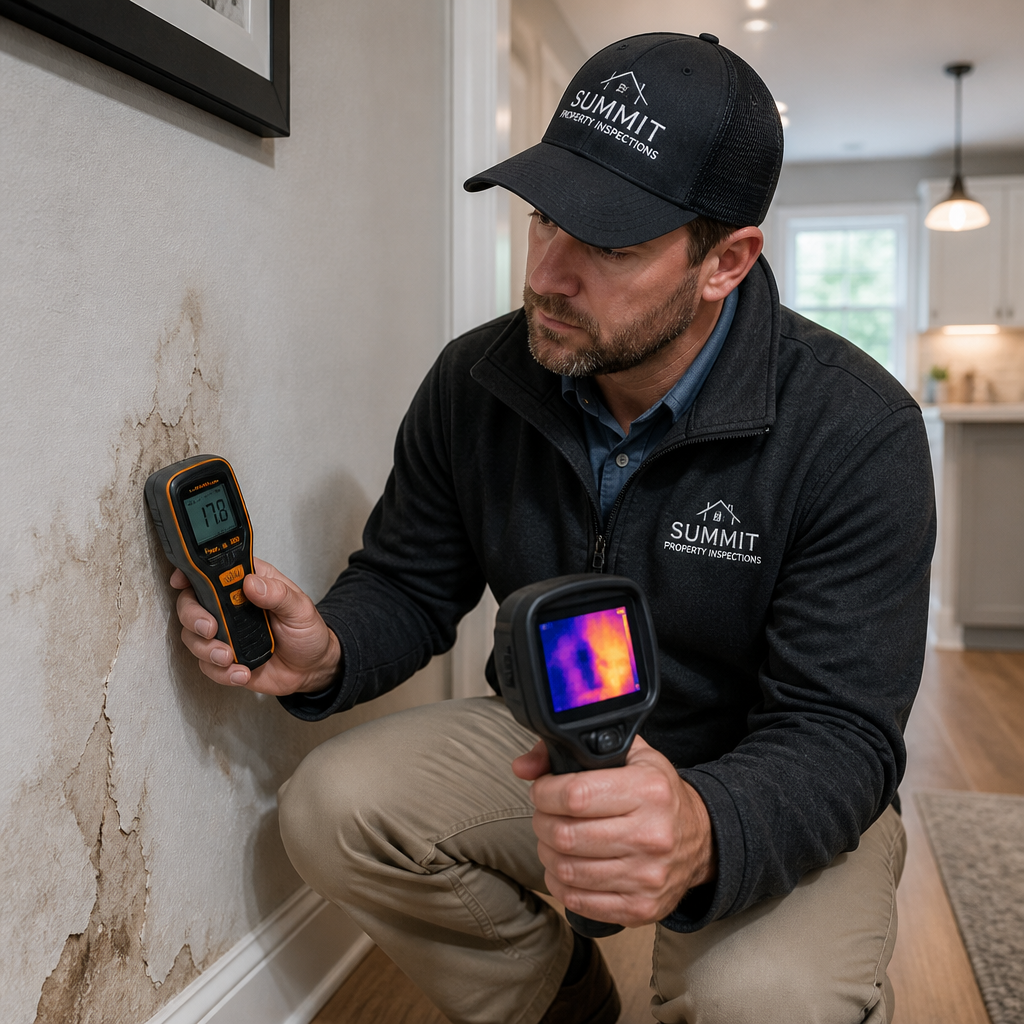
In practice, wet area waterproofing is one of the most commonly incomplete items at practical completion in new builds. Shower recesses, bath surrounds, and laundry floors require waterproofing membranes that meet Australian Standard AS 3740. Builders frequently present these areas as complete when they are not. By the time tiling is finished, visual inspection alone cannot confirm compliance.
An experienced inspector uses probing, moisture testing, and knowledge of sequencing to identify likely waterproofing failures even after tiling is in place. This is one area where local expertise genuinely affects what gets caught and what does not.
Pro tip: If your inspection report does not specifically address wet area waterproofing compliance, ask your inspector why. This item should appear in every new home inspection report as a documented finding, not an assumed pass.
Handover Inspection vs Standard Building Inspection: What You Need
A standard building inspection, often used for established properties in a sale context, follows a different methodology than a new home handover inspection. For Redland Bay buyers taking delivery of a new build, the relevant service is specifically a handover inspection Redlands or pre-settlement inspection that assesses the home against construction standards rather than general condition.
The distinction matters because the remedies available to you are different. For a new build, the builder holds defect liability under the Queensland Building and Construction Commission Act 1991. That obligation exists for up to 6 years for structural defects and 1 year for non-structural defects. But exercising that right requires documented evidence produced before handover, not months later when the builder may dispute whether the defect was pre-existing.
Why Investors Need a Different Inspection Lens
Property investors purchasing new builds in Redland Bay often prioritise settlement speed over thorough inspection. This is a consistent pattern and a consistent mistake. An investment property with undocumented defects at handover creates ongoing maintenance obligations that the builder should have covered, and depreciation schedules that misrepresent the actual condition of the asset.
Investors should treat a handover inspection as a mandatory cost of acquisition, not an optional add-on. At $550 including GST, the cost of a GoInspect pre-handover report is negligible against the cost of a single unresolved structural defect or a wet area rectification that runs into thousands of dollars after settlement.
Comparing Inspection Approaches for Redland Bay Buyers
| Inspection Approach | Key Features | Best Suited For |
|---|---|---|
| GoInspect Pre-Handover Inspection | Photo-enhanced defect report with trade-specific assignments, same-day delivery, QBCC-licensed inspectors, coverage across Redland Bay and greater Redlands area, custom reports for both housing and high-rise, from $550 including GST | Homeowners and investors taking delivery of new builds in Redland Bay who need builder-actionable reports with clear rectification accountability |
| Generic National Inspection Services | Standardised checklists, centralised report processing, variable inspector local knowledge, often longer report turnaround, may lack specific trade assignments in defect descriptions | Buyers in high-volume markets where local specificity is less critical, or where report speed is not a priority |
| Builder-Provided Defect Walkthroughs | No cost to buyer, conducted by builder’s site supervisor or representative, uses builder’s own sign-off documentation, no independent oversight, no photographic defect record produced for buyer | Not recommended as a standalone process for any buyer. Should always be supplemented by independent inspection. |
How GoInspect Serves Redland Bay Homeowners and Investors
GoInspect operates across Brisbane, Gold Coast, Logan, Ipswich, and Redland Bay with fully licensed inspectors who work specifically in South East Queensland’s new build market. This geographic focus matters. The company’s inspectors are not covering the entire country from a national call centre. They are working in the same construction corridors, encountering the same builder patterns, and understanding the same local council requirements that affect every new build in the Redlands area.
The company’s photo-enhanced reporting model directly addresses the most common frustration homeowners face after inspection: builders who dispute defects without photographic evidence or who claim findings are ambiguous. When every defect is documented with a photograph, assigned to a specific trade, and delivered the same day the inspection occurs, the rectification conversation with the builder starts from a position of documented evidence rather than verbal dispute.
For developers and builders, GoInspect also provides building inspection Redland Bay services that support quality control across staged developments. Custom reporting for high-rise developments ensures that inspections address the specific compliance requirements of multi-unit projects, not just the standalone housing checklist.
Frequently Asked Questions
When is the right time to book a new home inspection in Redland Bay?
Book your inspection before practical completion sign-off, specifically in the days immediately before your scheduled handover date. This gives you documented evidence of defects while the builder’s obligation to rectify at no cost to you is still unambiguous. Booking after you have already signed handover documents significantly weakens your position.
What is the difference between a building inspection and a handover inspection in the Redlands area?
A standard building inspection is typically used when purchasing an established property to assess general condition for a buyer in a sale transaction. A handover inspection is specifically designed for new builds, assessing the home against the National Construction Code and relevant Australian Standards to identify construction defects before the buyer takes possession. For new builds in Redland Bay, you need a handover inspection, not a standard building report.
Do I need an inspection if my builder has their own quality control process?
Yes, without exception. A builder’s quality control process is designed to protect the builder’s interests and meet minimum contractual requirements. It does not produce an independent defect record that you own and can use to compel rectification. In practice, builder sign-off documents routinely miss defects that an independent inspector would catch. These are not the same service.
How long does a new home inspection in Redland Bay take?
For a standard single dwelling, expect the on-site inspection to take between two and four hours depending on the size and complexity of the home. A townhouse or unit in a multi-dwelling development may take less time, while a large acreage home may take longer. Same-day report delivery means you receive your findings on the same calendar day as the inspection, which is critical for buyers working against settlement deadlines.
What does a GoInspect report cost for a Redland Bay new build?
GoInspect’s pre-handover inspections start from $550 including GST. This covers the on-site inspection and the photo-enhanced defect report with trade-specific assignments delivered the same day. For investors and homeowners dealing with the financial exposure of a new build purchase, this is one of the lowest-cost risk mitigation tools available in the transaction.
Can investors use GoInspect for multiple properties in a Redland Bay development?
Yes. GoInspect provides customised inspection services for developers and investors across housing estates and high-rise developments. If you are taking delivery of multiple lots within the same development, a coordinated inspection approach ensures consistency across reports and makes the rectification process with the developer significantly more efficient.
If you have had a handover inspection experience in Redland Bay, whether smooth or frustrating, we would genuinely like to hear what made the difference for you.
We would love your feedback and any insights you would share with others. What perspective would you add?
References
- Queensland Building and Construction Commission: licensing requirements, defect liability periods, and homeowner rights for new builds in Queensland
- Australian Building Codes Board: National Construction Code standards that govern new home construction quality across Australia
- Realestate.com.au: Redland Bay property market data and new development activity in South East Queensland
- Forbes: expert analysis on property investment risk management and the financial impact of undisclosed construction defects
- Statista: construction industry defect rate statistics and residential building quality benchmarks in Australia and globally